

Are Sleep Apnea and Heart Failure Connected? Understanding the Risks, Signs, and Science-Backed Solutions
Waking up gasping at 3 AM with a racing mind is more than an uncomfortable sleep struggle—it could be a sign of a deeper cardiovascular link. In this guide, we explore the physiological relationship between sleep apnea and heart failure, and show how a screen-free tracking approach helps you monitor your heart health.
Take Back Your Sleep.
Take Back Your Life.
- Fall asleep faster & sleep deeper
- Stop waking up in the middle of the night
- Wake up refreshed & full of energy
Key Highlights of this Guide
- The Hidden Bridge: How sleep-disordered breathing directly strains heart muscle performance.
- Autonomic Signaling: Why sudden drops in oxygen trigger the sympathetic “fight-or-flight” response, driving up resting heart rate.
- Biometric Clues: How monitoring fluctuations in Heart Rate Variability (HRV) and tracking sleep stages provides crucial trends.
- Comfort-First Recovery: Why lightweight, screen-free wearable technology is replacing bulky smartwatches to cultivate healthier evening habits.
1. The Biological Connection: How Sleep Apnea and Heart Failure Interact

Quick Answer: Yes, they are. The short answer is that untreated sleep apnea places massive oxidative, chemical, and mechanical stress on your cardiovascular system, which can directly cause or worsen congestive heart failure. To effectively monitor your body, understanding your nightly oxygen changes, sleep stages, and autonomic stress is critical.
At first glance, breathing and cardiovascular pumping might seem like independent bodily functions. However, they are intimately joined, working as a single cardiopulmonary system. When we look at the clinical intersection of sleep apnea and heart failure, we see a destructive loop. The physical struggles of sleep apnea don’t stay confined to your airway; they reverberate through your heart muscle every second of the night.
Understanding the link between sleep apnea and heart failure is crucial because they feed into each other. Sleep apnea comes in two primary forms, and both play dangerous roles in cardiac health:
- Obstructive Sleep Apnea (OSA): The physical collapse of the upper airway, forcing your chest muscles and diaphragm to work overtime to pull in oxygen.
- Central Sleep Apnea (CSA): A neurological miscommunication where your brain temporarily forgets to tell your breathing muscles to move, highly common in advanced congestive heart failure.
To delve deeper into sleep apnea heart failure mechanisms, let’s examine the mechanical strain. During an obstructive episode, you attempt to inhale against a closed airway. This action generates tremendous negative pressure inside your chest cavity. This pressure acts like a vacuum, pulling blood into the right side of your heart while restricting the left side’s ability to pump oxygenated blood out to your organs. Over months and years, this constant mechanical overload stretches the heart walls, leading to structural remodeling and, eventually, congestive heart failure.
Simultaneously, the frequent drops in blood oxygen levels (intermittent hypoxia) trigger a massive chemical alarm. Your body floods your system with stress hormones like adrenaline and cortisol. Instead of entering a restorative, low-blood-pressure state during sleep, your system is forced into a state of high alert. This causes blood pressure to spike during the night, carrying over into the daytime and accelerating damage to your vascular lining.
— Team Mind Body Dan
Preventing the progression of sleep apnea congestive heart failure risk factors requires early detection and trend monitoring. Let’s look at how to identify if you are experiencing these physiological stresses.
When to Monitor Trends vs. When to Seek Medical Help
It is important to understand the boundary between supportive wellness tracking and clinical medical intervention. Lifestyle tracking tools are designed to show you trends, but they are not medical diagnostic tools.
- Who should seek clinical help: If you experience loud, disruptive snoring, wake up gasping for air, have diagnosed cardiovascular issues, or feel excessive daytime sleepiness that impacts your safety, you must consult a medical professional for a formal sleep study.
- Who can benefit from daily biometric tracking: If you are generally healthy, looking to optimize your recovery, want to observe how your body reacts to stress, or wish to monitor overnight heart rate and HRV trends to support your overall wellness journey.
Suggested Solutions for Daily Wellness
To support your body’s cardiovascular and respiratory systems, we recommend focusing on non-invasive lifestyle modifications. These include practicing side-sleeping, avoiding sedatives or heavy meals before bed, and utilizing comfortable, screen-free tracking methods. Tracking your resting heart rate and sleep patterns gives you an objective window into your wellness journey.
Many traditional smartwatches are bulky and distracting, featuring bright screens that trigger late-night cognitive stimulation. To combat this, we highly recommend the Herz P1 Smart Ring. Made from ultra-lightweight titanium, it provides continuous, screen-free biometric monitoring. It translates complex biometric algorithms into simple, actionable daily metrics—allowing you to track your heart rate variability (HRV), sleep cycles, and daily recovery without screen distractions or annoying monthly subscription fees.
Frequently Asked Questions
Q: Can sleep apnea cause heart failure directly?
A: Untreated sleep apnea and heart failure share a direct, reciprocal connection. Chronic oxygen drops and high blood pressure caused by apnea put immense strain on the heart, which can eventually contribute to heart failure.
Q: How does central sleep apnea differ from obstructive sleep apnea?
A: Obstructive sleep apnea is a physical throat blockage, whereas central sleep apnea is a neurological pause in breathing signals. Central sleep apnea is highly prevalent in individuals who are already managing heart failure.
Q: What biometrics can help me understand my sleep quality?
A: Monitoring Heart Rate Variability (HRV), resting heart rate, and the proportion of Deep and REM sleep stages can give you an excellent indication of how rested and recovered your body is each morning.
2. The Physiological Toll: Sleep Architecture, HRV, and Cardiovascular Strain

To truly understand the toll of sleep apnea and heart failure, we must look at how sleep deprivation affects your mind and your heart. Many of our readers share a common, distressing experience: waking up in the dead of night, heart hammering, with a racing mind that refuses to quiet down. This non-restorative sleep pattern is emotionally draining, leaving you with severe daytime brain fog and a frustrating reliance on caffeine to make it through the morning.
When you have a breathing pause during sleep, your brain is forced to wake up slightly (a micro-arousal) to restore muscle tone to your airway. While you might not remember these awakenings, they completely shatter your sleep architecture. This prevents you from reaching or staying in Deep Sleep and REM Sleep—the stages where your body repairs tissues, consolidates memories, and lowers its core heart rate.
This perpetual state of midnight arousal directly impacts your Heart Rate Variability (HRV). HRV measures the variation in time between consecutive heartbeats, regulated by your autonomic nervous system:
- A higher HRV indicates a dominant parasympathetic nervous system (the “rest and digest” state), meaning your body is relaxed, flexible, and fully recovered.
- A lower HRV indicates a dominant sympathetic nervous system (the “fight or flight” state), showing that your heart is under stress, exhausted, or fighting the effects of chronic sleep disruption.
For anyone navigating the intersection of sleep apnea congestive heart failure risk factors, tracking HRV trends is highly valuable. A sudden, unexplained drop in your baseline HRV can be a clear indicator that nightly breathing struggles are overworking your cardiovascular system, allowing you to make proactive, data-informed lifestyle adjustments before exhaustion sets in.
When chronic oxygen depletion fuels sleep apnea congestive heart failure, the heart loses its pumping efficiency. This can lead to fluid accumulation in the lungs, making breathing even more difficult when lying flat on your back. This bidirectionality of sleep apnea and heart failure development represents a complex challenge that is best managed through close medical care combined with gentle, daily lifestyle support.
By shifting our focus toward long-term tracking of daily trends, we can better understand how our lifestyle choices directly impact our recovery. This allows us to break the dependency on bad evening habits and reclaim our natural, physical energy.
3. Breaking the Cycle: Non-Invasive Tracking and Practical Recovery Strategies
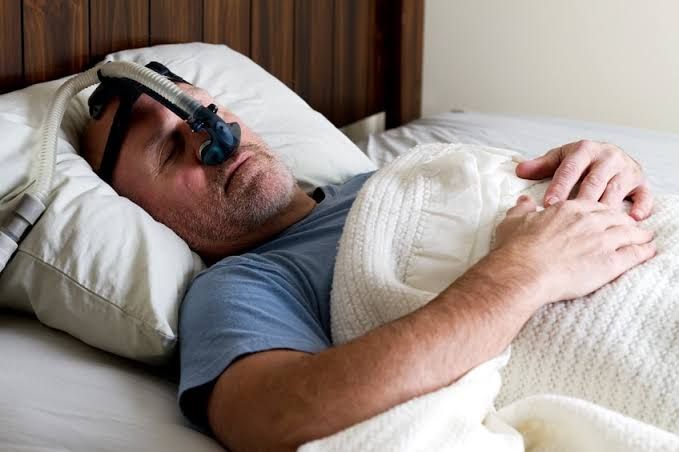
Recovering from the daily toll of sleep apnea heart failure symptoms requires a holistic approach that targets both respiratory airflow and cardiovascular rest. Thankfully, simple, non-invasive adjustments can yield profound differences in how you feel each morning:
- Positional Sleep Therapy: Avoid sleeping flat on your back, which allows gravity to pull the tongue and soft palate to the back of the throat. Try side-sleeping or using an incline wedge pillow to keep your airway open.
- Evening Wind-Down Routine: Lower environmental stimulation two hours before bed. Keep smart devices, televisions, and glowing screens out of the bedroom entirely to support natural melatonin production.
- Avoid Respiratory Depressants: Limit alcohol, heavy meals, and sleeping pills close to bedtime, as these relax the throat muscles and make airway collapse much more likely.
- Track Biometric Trends: Consistently monitor your overnight recovery to see how lifestyle changes—like changing your sleep position—affect your physiological wellness.
Historically, tracking sleep meant wearing a bulky, uncomfortable smartwatch. Many users find sleeping with a large digital screen on their wrist frustrating; the screens often light up when you roll over, and the constant notifications cause mental stress. Furthermore, having to charge a smartwatch daily means missing out on vital nighttime data when the device is sitting on a charger.
This is why the wellness community is shifting toward screen-free, elegant alternatives like the Herz P1 Smart Ring. Designed with premium titanium, this ultra-light ring sits comfortably on your finger, allowing you to sleep naturally. Because it is completely screen-free, it eliminates the distraction of late-night notifications, blue-light exposure, and mental fatigue.
The Herz P1 Smart Ring: Simple, Subscription-Free Tracking
Translate complex biometric algorithms into an intuitive, daily Recovery Score. Track your REM, Deep, and Light sleep stages alongside precise HRV trends—completely subscription-free, with no hidden monthly fees.
By closely observing your long-term physiological trends, you can make informed decisions about your daily routine. Understanding the long-term physiological outlook of sleep apnea and heart failure enables us to take charge of our health proactively. We can focus on improving our cardiovascular resilience and sleep quality through simple, comfortable habits, enjoying a renewed sense of daytime energy and long-term vitality.
If you suspect that your sleep issues are linked to a cardiovascular condition, please seek professional medical care first. For those looking to support their daily wellness journey, monitor resting heart rates, and learn how sleep positions affect overnight recovery, utilizing screen-free tracking methods can offer life-changing insights.
Explore our comprehensive guide on managing sleep apnea and heart failure daily, keep learning about how your body breathes and recovers, and take back control of your physical well-being starting tonight.
Disclaimer: Results may vary depending on individual physical activity levels, unique health conditions, and daily tracking patterns. The information provided in this article is intended for educational and wellness-tracking purposes only. It is not intended to diagnose, treat, prevent, or cure any cardiovascular or respiratory disease, including congestive heart failure or sleep apnea. Always seek the advice of your physician or another qualified healthcare provider with any questions you may have regarding a medical condition.
