

5 Best Mattresses for Stomach Sleepers for Perfect Spinal Alignment
Waking up at 3 AM with lower back tension and a racing mind can ruin your entire day. If you sleep on your front, finding the best mattress for stomach sleepers is critical to protecting your spinal alignment. By monitoring biometric indicators like HRV and deep sleep stages with the Herz P1 Smart Ring, you can optimize your recovery without bulky screens.
Take Back Your Sleep.
Take Back Your Life.
- Fall asleep faster & sleep deeper
- Stop waking up in the middle of the night
- Wake up refreshed & full of energy
Key Highlights
- Spinal Support is Critical: Stomach sleepers require a firm or medium-firm surface to prevent the pelvis from sinking, which strains the lumbar spine.
- Biometric Tracking Matters: A physical upgrade in your sleep setup directly improves overnight Heart Rate Variability (HRV) and expands deep sleep phases.
- Screen-Free Simplicity: The Herz P1 Smart Ring offers medical-grade biometric monitoring without the bulk, blue light, or subscription fees of traditional smartwatches.
- Complete Recovery Loop: Merging the right mattress with smart, actionable recovery scores lets you quantitatively prove your sleep quality is improving.
Spinal Alignment and the Search for the Best Mattress for Stomach Sleepers
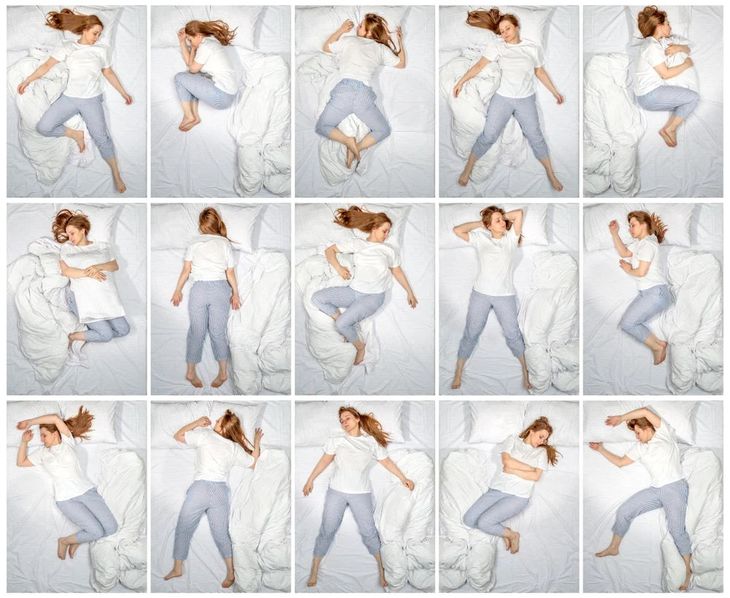
Stomach sleeping is one of the most ergonomically challenging positions for the human body. When you lay flat on your abdomen, gravity naturally pulls your midsection downward. Because the pelvis and hips hold a high concentration of body mass, they sink deeper into a soft mattress than your shoulders or legs. This sinkage creates an unnatural arch in the lower back, hyperextending the lumbar spine and pinching delicate nerve roots. Choosing the right best mattress for stomach sleepers is the first step to mitigating this alignment issue.
Table of Contents
Our Selection Criteria
In creating this comprehensive guide, we at Team Mind Body Dan established a strict framework to evaluate products. A reliable mattress for front-sleeping must satisfy specific criteria to truly optimize recovery. Our physical assessments focused on:
- Pelvic Support & Resistance: How effectively does the core keep the hips from dipping beneath the plane of the shoulders?
- Surface Firmness Level: Measured on a standard 1–10 scale, where a stomach sleeper generally requires a firm 7 to 8.
- Thermoregulation (Cooling): Sleeping face down can trap body heat, which elevates your heart rate and disrupts deep sleep. High airflow is mandatory.
- Edge Support: Robust structural integrity around the perimeter prevents sagging and expands the usable sleeping surface.
Quick Comparison Table
| Product Name | Firmness / Type | Best For | Core Advantage |
|---|---|---|---|
| Helix Dawn Luxe | Firm (7.5/10) Hybrid | Heavy stomach sleepers | Zoned coil support layer |
| Plank Firm Luxe | Extra-Firm (9/10) Flippable | Maximum pelvic lift | Ultra-rigid flat surface |
| WinkBed Firm | Medium-Firm (7/10) Hybrid | Average weight sleepers | Euro-pillow top comfort |
| Herz P1 Smart Ring | Screen-Free Biometric Tracker | Measuring true recovery | HRV, Sleep Stages, No Subscription |
Detailed Product Reviews
1. Helix Dawn Luxe (Overall Best Hybrid)
The Helix Dawn Luxe is specifically designed to meet the demands of individuals who rest on their stomach or back. This hybrid mattress combines heavy-duty coils with dense, high-performance foam comfort layers to create a highly responsive surface. Selecting a dedicated bed for stomach sleepers makes a massive difference, and the Dawn Luxe stands out by ensuring your spine remains in neutral alignment throughout the night.
Strengths: Outstanding lumbar support; zoned coils that are firmer under the hips; breathable Tencel cover reduces surface heat.
Weaknesses: Too rigid for dedicated side sleepers who rotate during the night.
Ideal User: Sleepers weighing over 150 lbs who need robust, reliable, zoned hip support.
2. Plank Firm Luxe (Best Ultra-Firm Option)
If you suffer from chronic lower back tension, typical mattresses can feel like quicksand. The Plank Firm Luxe, inspired by the flat, rigid surfaces of traditional Asian tatami mats, offers an incredibly firm feel. The flippable design lets you choose between a standard firm and an ultra-firm side. For heavy individuals, the optimal mattress firmness stomach sleeper profile lies between 7 and 8, and the Plank Firm Luxe delivers exactly that rigid platform.
Strengths: Zero hip sinkage; flippable design provides dual firmness levels; virtually eliminates toss-and-turn movements.
Weaknesses: Almost entirely lacks contouring; can feel excessively hard during the first few weeks of break-in.
Ideal User: Sleepers who experience severe back fatigue and prefer a highly solid, stable sleep surface.
3. WinkBed Firm (Best Traditional Euro-Top)
The WinkBed Firm combines pocketed coils with a plush Euro-pillow top to offer an elegant, hotel-like feel without sacrificing alignment. It features a specialized lumbar support pad in the middle third of the mattress, offering targeted resistance right where stomach sleepers need it most.
Strengths: Luxurious comfort feel; excellent edge support; sturdy coil structure that assists with easy movement.
Weaknesses: Strong motion transfer compared to all-foam alternatives.
Ideal User: Sleepers who want the rigid posture alignment of a firm mattress but still enjoy a soft, cushiony surface texture.
4. Herz P1 Smart Ring (Ultimate Recovery & Sleep Companion)
Investing in a premium mattress is only half the battle. How do you know if your spinal alignment adjustments are actually improving your biological recovery? The Herz P1 Smart Ring provides the objective answers you need. Unlike bulky, heavy smartwatches that trap sweat on your wrist and require daily charging, this elegant, ultra-lightweight titanium ring sits comfortably and unobtrusively on your finger all night.
The Herz P1 features medical-grade biometric sensors that continuously track your autonomic nervous system. It monitors your Sleep Stages (REM, Deep, Light), Heart Rate Variability (HRV), and Daily Activity to deliver a clear, intuitive Daily Recovery Score. This translates complex algorithms into actionable insights, helping you evaluate if your best mattress for stomach sleepers selection is indeed lowering sleep fragmentation and expanding your deep sleep window.
Best of all, the Herz P1 is entirely subscription-free. You pay once and own your data forever, avoiding the hidden fees and subscription fatigue common with other wearable brands. Free of bright, blue-light emitting screens, it supports healthy sleep hygiene, keeping you disconnected from notifications while gathering valuable insights.
Strengths: Subscription-free model; lightweight titanium construction; monitors Sleep Stages, HRV, and daily recovery; long battery life.
Weaknesses: Does not feature a screen (which is a deliberate design choice to protect sleep hygiene but may not suit those wanting real-time notification alerts).
Ideal User: Wellness-focused individuals who want to track their sleep quality and physical recovery without screens or recurring monthly fees.
Quick Buying Guide: Matching Weight to Firmness
Finding the right firmness level is closely tied to your body weight:
- Lightweight Sleepers (Under 130 lbs): A medium-firm mattress (6.5/10) provides enough comfort cushion while keeping light hips elevated.
- Average Weight Sleepers (130 to 230 lbs): A true firm mattress (7 to 8/10) is necessary to resist pelvic sinking.
- Heavyweight Sleepers (Over 230 lbs): An extra-firm mattress (8.5 to 9/10) with reinforced coils is recommended to prevent bottoming out.
Final Recommendations Summary
To streamline your path to better sleep, we recommend three distinct approaches:
- For Balanced Performance: Choose the Helix Dawn Luxe. Its zoned coil unit balances support and comfort beautifully.
- For Uncompromising Firmness: Go with the Plank Firm Luxe to completely eliminate hip sinking.
- For Smart Wellness Insights: Pair your mattress with the Herz P1 Smart Ring to track and visually confirm how your body is recovering every single night.
The Biometrics of Deep Sleep: Why Back Support Affects Your HRV

Sleep is not just passive downtime; it is an active biological rebuilding phase. When you sleep, your brain cycles through deep sleep and REM phases, lowering your heart rate and raising your Heart Rate Variability (HRV). However, if your body is continuously fighting to maintain basic alignment on a sagging mattress, your nervous system remains in a heightened state of physical stress.
Waking up in the middle of the night with a racing mind and rigid neck muscles is a direct consequence of this underlying stress. When your pelvis sinks too deep, your spine is pulled out of alignment. Your brain senses this structural strain and responds by keeping your sympathetic nervous system partially activated. This elevates your heart rate, lowers your HRV, and keeps you stuck in a pattern of shallow, non-restorative sleep, often leading to groggy mornings and lingering brain fog. Investing in a high-quality bed for stomach sleepers can immediately alleviate lumbar stress, allowing your body to drop into deeper, more restorative sleep cycles.
Biometric Focus: What is HRV telling you?
Heart Rate Variability (HRV) measures the variation in time between consecutive heartbeats. A higher HRV indicates that your body is in an active rest-and-recovery state (parasympathetic dominance). When you switch to a supportive mattress that prevents pelvic sag, your overnight physical stress levels drop, which typically leads to an increase in your baseline HRV.
Tracking these autonomic nervous system changes is essential for understanding your long-term wellness. While traditional smartwatches are bulky and uncomfortable to wear overnight, a screen-free option like the Herz P1 Smart Ring makes tracking effortless. Its lightweight titanium design and long battery life sit comfortably on your finger, delivering accurate overnight biometrics without screens or hidden subscription costs. Adjusting your mattress firmness stomach sleeper preference from soft to firm can stabilize breathing patterns, reduce micro-arousals, and directly improve your daily Recovery Score.
— Team Mind Body Dan Wellness Hub
Choosing the Right Bed Firmness and Material for Restorative Sleep
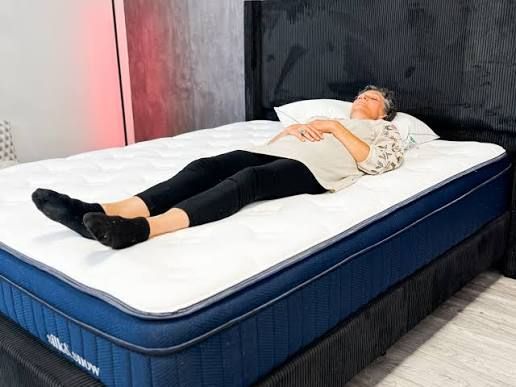
The materials inside your mattress play a vital role in keeping your spine aligned and ensuring deep sleep. For front-sleepers, selecting the right mix of support and pressure relief is crucial:
- Hybrid Mattresses: By combining individual pocketed coils with dense comfort foams, hybrids provide dynamic resistance that lifts your hips while offering gentle cushioning for your chest and shoulders.
- All-Foam Options: While traditional memory foam can trap heat and sink under pressure, high-density polyfoams can offer a supportive, motion-absorbing surface.
- Natural Latex: Derived from rubber trees, latex is naturally bouncy, highly breathable, and responsive. It pushes back against your body weight, preventing you from sinking too deep into the mattress.
Ensuring a stable, supportive setup with a new best mattress for stomach sleepers reduces nocturnal micro-arousals, keeping you in deep and REM sleep stages longer. Incorporating screen-free sleep tracking into your routine allows you to closely monitor your recovery trends over time.
Simplify Your Recovery Tracking
Traditional health trackers can be overwhelming, with complicated graphs, bright screens that disrupt your evening wind-down, and costly monthly subscription plans.
The Herz P1 Smart Ring offers a simpler, elegant solution. Built from ultra-lightweight titanium, it provides accurate, screen-free tracking of your Sleep Stages and Heart Rate Variability (HRV) with zero subscription fees.
Establishing a healthy evening wind-down, avoiding blue-light emitting screens before bed, and sleeping on a highly supportive mattress are crucial steps to reclaiming your energy. Pairing a high-end bed for stomach sleepers with a seamless sleep tracker will transform your health journey, turning restless, uncomfortable nights into restorative sleep.
Disclaimer: Results may vary depending on individual physical activity levels, unique health conditions, and daily tracking patterns. This article is for informational purposes only and does not substitute for medical advice, diagnostics, or professional guidance.
