

6 Effective Alternatives to CPAP for Restorative Sleep and Sleep Apnea Management
Struggling with the loud hum and restrictive mask of a traditional CPAP? Millions searching for unrestrictive rest solutions find CPAP compliance incredibly difficult. At Mind Body Dan, we explore science-backed alternatives to manage sleep quality. By pairing these strategies with objective biometric tracking, you can finally reclaim your physical and mental energy.
Take Back Your Sleep.
Take Back Your Life.
- Fall asleep faster & sleep deeper
- Stop waking up in the middle of the night
- Wake up refreshed & full of energy
Key Highlights
- Compliance Challenges: CPAP therapy has high discontinuation rates due to mask discomfort, noise, and skin irritation.
- Proven Alternatives: Discover oral appliances, positional therapy, EPAP, and lifestyle adjustments as effective alternatives to cpap.
- Biometric Validation: Tracking your recovery metrics—like REM, Deep, and Light sleep stages—helps verify if your chosen therapy is working.
- The Smart Ring Advantage: The screen-free, subscription-free Herz P1 Smart Ring offers a lightweight way to monitor your progress without bulky smartwatches.
Exploring the Best Alternatives to CPAP
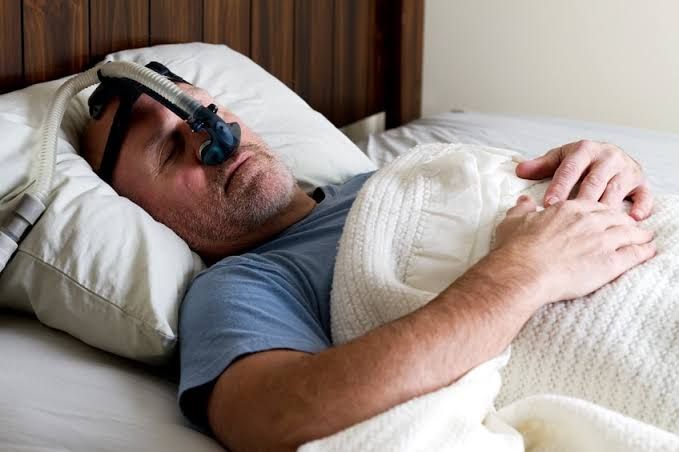
Selection Criteria: How We Evaluated These Solutions
When searching for the right alternative, our team at Mind Body Dan focused on metrics that matter to everyday users. It is easy to find medical recommendations, but clinical effectiveness means nothing if a device is too uncomfortable to use consistently. We evaluated the following solutions based on three core pillars:
- Daily Compliance Rates: How likely are users to stick with the solution long-term without feeling frustrated by physical barriers?
- Clinical and Biometric Viability: Does the method show a demonstrable positive impact on sleep quality metrics, such as deep sleep duration and heart rate stabilization?
- User Comfort and Freedom: Does the solution eliminate bulky masks, loud noise, and restrictive hoses that disrupt the sleep of both you and your partner?
By analyzing the clinical efficacy of various options for sleep apnea management, we compiled a practical, easy-to-understand list that prioritizes your comfort while keeping sleep quality at the forefront.
Quick Comparison: CPAP vs. Top Alternatives
Before diving into the detailed reviews, let’s look at a high-level comparison of how traditional continuous positive airway pressure stacked up against the leading alternative strategies and wellness tools.
| Option / Device | Primary Function | Comfort Level | Subscription Cost | Best For |
|---|---|---|---|---|
| CPAP Machine | Continuous pressurized air to keep airway open | Low (bulky mask & hose) | None (high upfront) | Severe obstructive sleep apnea |
| Herz P1 Smart Ring | Nocturnal sleep stage & HRV tracking companion | Excellent (ultra-light titanium) | $0 (Subscription-Free) | Tracking recovery, sleep quality, and trends |
| Mandibular Advancement Device | Reposition lower jaw forward to clear throat | Moderate (custom dental piece) | None | Mild-to-moderate positional sleep issues |
| Nasal EPAP Valves | Uses exhalation backpressure to prop airway | Moderate-High (nasal adhesive) | Ongoing adhesive costs | Frequent travelers with mild apnea |
Detailed Analysis of Key Solutions
1. The Herz P1 Smart Ring (The Ultimate Sleep & Recovery Validator)
For individuals transitioning away from CPAP therapy, the primary concern is understanding if their alternative treatment is actually working. Traditional smartwatches are often bulky, uncomfortable to wear during sleep, and require annoying daily charging cycles. The screen-free, ultra-lightweight titanium design of the Herz P1 Smart Ring solves this operational issue elegantly.
Equipped with medical-grade biometric sensors, it translates complex algorithms into simplified, actionable metrics. It meticulously tracks your Sleep Stages (REM, Deep, Light), Heart Rate Variability (HRV), and Daily Activity to generate an intuitive Daily Recovery Score. This subscription-free model is built for the long haul—you pay once and own all of your health data forever, without the worry of hidden monthly fees.
- Strengths: Highly comfortable titanium structure; long battery life; screen-free to minimize bedtime blue-light exposure; comprehensive overnight HRV and sleep phase breakdown.
- Limitations: It is designed to track, validate, and monitor sleep quality trends and physical recovery over time; it does not mechanically hold the airway open.
- Ideal User: Health-conscious individuals seeking a screen-free, elegant, and highly comfortable wearable to objectively monitor how alternative lifestyle or dental therapies are improving their nightly rest.
2. Mandibular Advancement Devices (MADs)
Mandibular Advancement Devices are specialized, custom-fitted dental appliances that gently slide the lower jaw forward. This subtle shift increases the physical space at the back of the throat, preventing the soft tissues and tongue from collapsing and obstructing the upper airway. Acting as a reliable alternative to cpap machine settings, these oral appliances offer high compliance rates because they do not require electricity, masks, or air hoses.
- Strengths: Highly portable; silent; clinically proven for mild-to-moderate airway obstructions; customized by dental professionals for a perfect fit.
- Limitations: May cause temporary jaw stiffness or tooth movement over long periods; requires an initial dental adjustment period.
- Ideal User: Patients with mild-to-moderate obstructive sleep apnea who prefer a mechanical, non-electric device that allows them to sleep in any position.
3. Nasal EPAP (Expiratory Positive Airway Pressure)
EPAP devices consist of small, lightweight adhesive valves that are applied directly over the nostrils before sleep. Unlike a CPAP, which blows pressurized air in, EPAP relies on your own breathing. The valves open completely during inhalation, allowing you to breathe in freely. Upon exhalation, the valves partially close, creating gentle backpressure in your upper respiratory tract that naturally holds the throat tissue open until your next breath.
- Strengths: Extremely compact and travel-friendly; operates silently; requires no power sources, cables, or humidifiers.
- Limitations: Can feel unusual to exhale against pressure; requires ongoing purchases of single-use adhesive strips.
- Ideal User: Active travelers who want a simple, disposable solution to manage airway patency without carrying heavy machinery.
4. Positional Sleep Therapy & Wedges
For many individuals, airway collapse only occurs when they sleep flat on their back, a condition known as positional obstructive sleep apnea. When lying supine, gravity naturally pulls the tongue and jaw backward. Positional sleep therapy involves using angled cushions, wedges, or gentle vibrotactile wearable devices worn around the chest that cue you to roll onto your side when supine. These act as highly accessible and natural alternative sleeping aids.
- Strengths: Non-invasive; highly affordable; naturally prevents gravity-induced airway obstruction.
- Limitations: May take several weeks of conditioning to stay on your side; ineffective if airway collapse occurs regardless of position.
- Ideal User: Individuals whose breathing disturbances occur primarily when sleeping on their back.
5. Myofunctional Therapy (Orofacial Exercises)
Myofunctional therapy is a natural, non-invasive discipline that focuses on strengthening the muscles of the tongue, mouth, and throat. Just like training other muscles in the body, performing specific daily throat exercises increases muscle tone. This prevents the upper airway muscles from becoming overly relaxed and floppy at night, reducing the likelihood of snoring and micro-arousals during your sleep cycles.
- Strengths: Completely free once learned; natural; improves overall throat and jaw muscle coordination.
- Limitations: Requires daily dedication and consistency; results can take several months to reflect in overnight biometrics.
- Ideal User: Dedicated individuals looking for a natural, self-guided routine to improve upper airway stability over the long term.
Practical Buying Guide for Your Transition
When selecting your pathway toward better sleep, focus on ease of integration. Ask yourself these practical questions:
- What is my primary discomfort with CPAP? If it’s the restriction of movement, a Mandibular Advancement Device combined with positional pillows might be ideal.
- How will I track my success? Standard symptom tracking can be subjective. Utilizing a comfortable, screen-free metric tracker like the Herz P1 Smart Ring will provide concrete data on whether your deep sleep stages are improving.
- Is it sustainable? Choose solutions that fit your budget, travel habits, and bedtime routine. Avoid complex setups that cause sleep-disruptive stress before you even close your eyes.
Final Recommendations: Finding Your Perfect Sleep Fit
Every individual’s anatomy and sleep style are entirely unique. For the best clinical results, we recommend exploring customized oral appliances (like MADs) under the supervision of a specialized sleep dentist. To ensure your chosen lifestyle adjustments are working, pair them with the daily insight of a comfortable wearable. The Herz P1 Smart Ring acts as a wonderful, subscription-free partner in this journey, giving you objective feedback on your nightly recovery without the annoying distractions of screens or daily charging schedules.
The Science of Sleep Disturbances: How to Treat Sleep Apnea Without CPAP

Picture this common nocturnal cycle: It’s 3:15 AM. You wake up suddenly with a racing mind, your heart pounding heavily in your chest, and your mouth feeling dry as sandpaper. You feel exhausted but unable to fall back asleep. In the morning, you are met with a heavy brain fog—the kind of cognitive fatigue that makes reading a simple email feel like translating a foreign language, and relies heavily on caffeine just to function. This is classic non-restorative sleep, and for millions of people, it is a daily reality.
When you suffer from obstructive sleep apnea (OSA), the muscles at the back of your throat relax excessively during sleep. This causes your airway to narrow or close completely, cutting off oxygen flow. In response to this oxygen drop, your brain triggers a brief, frantic micro-arousal to restart your breathing. While you might not even remember these micro-awakenings, they completely fragment your sleep cycles. This fragmentation prevents you from spending enough time in deep sleep and REM sleep—the vital stages where physical cell repair, growth hormone release, memory consolidation, and emotional processing occur.
— Team Mind Body Dan
For individuals researching how to treat sleep apnea without cpap, understanding these physiological mechanisms is crucial. While CPAP remains the clinical gold standard for severe cases, mild-to-moderate airway collapse can often be managed through targeted structural interventions, lifestyle adjustments, and consistent habit tracking.
The Crucial Role of Overnight Heart Rate Variability (HRV)
To accurately assess if your alternatives to cpap machine options are yielding results, you need to understand Heart Rate Variability (HRV). HRV is the measure of the variation in time between each consecutive heartbeat, controlled entirely by your autonomic nervous system (ANS).
- Sympathetic Nervous System (Fight-or-Flight): When your airway collapses during an apnea event, your body registers a life threat. It releases stress hormones, spikes your heart rate, and causes your HRV to plummet. This sympathetic dominance is what causes you to wake up at 3 AM with a racing mind.
- Parasympathetic Nervous System (Rest-and-Digest): During deep, unobstructed sleep, your parasympathetic nervous system takes over. Your heart rate slows, your blood pressure drops, and your HRV rises, signaling deep recovery and low systemic stress.
Understanding Your HRV Trends
A high nightly HRV is a strong indicator of a resilient, well-rested cardiovascular system. If you implement an alternative therapy (such as a positional wedge pillow or a dental device) and notice your average overnight HRV increasing over subsequent weeks, it is a clear, objective sign that your autonomic nervous system is experiencing fewer stress disruptions during the night.
Navigating Your Path: CPAP vs. BiPAP vs. Alternatives to CPAP Machine

When searching for clinical relief, you may hear terms like CPAP, BiPAP, and various non-invasive therapies used interchangeably. However, they serve very different roles in respiratory management:
- CPAP (Continuous Positive Airway Pressure): Delivers a constant, single stream of pressurized air through a mask. While highly effective, many find exhaling against this constant pressure uncomfortable, leading to high discontinuation rates.
- BiPAP (Bilevel Positive Airway Pressure): Delivers two distinct pressures—a higher pressure when you inhale to open the airway, and a lower pressure when you exhale to make breathing out feel more natural. This is typically used for complex sleep issues or for those who struggle with the pressure of CPAP.
- Alternatives to CPAP: These include dental devices, EPAP nose valves, positional pillows, and muscle toning exercises that allow for managing sleep apnea without a mask or machine, returning physical freedom to your sleeping environment.
While exploring these options, many individuals purchase smartwatches to monitor their sleep stages. Unfortunately, they soon face another set of operational issues: bulky wristbands are uncomfortable to sleep in, bright screen notifications disrupt the biological transition to sleep, and the hassle of charging the device daily often leads to tracking fatigue.
Streamline Your Rest with a Screen-Free Companion
By utilizing the screen-free, subscription-free Herz P1 Smart Ring, you can comfortably gather continuous sleep and HRV biometrics. Learn how this elegant titanium ring can help you validate your progress without adding screen glare or bulky devices to your nightstand.
If you are planning on transitioning to non-CPAP sleep therapies, consistency is your ultimate key to success. Combine targeted throat muscle conditioning with postural shifts, avoid screens and heavy meals in the late evening, and rely on comfortable, long-term biometric tracking. By empowering yourself with clear, personalized sleep stage and HRV trends, you can fine-tune your routine, support your respiratory health, and finally reclaim the deep, restorative rest your body deserves.
Disclaimer: Results may vary depending on individual physical activity levels, unique health conditions, and daily tracking patterns. The Herz P1 Smart Ring and the information provided by Mind Body Dan are intended for wellness monitoring and educational purposes only. They are not intended to diagnose, treat, prevent, or cure any disease, including obstructive sleep apnea. Always consult with a qualified physician or healthcare provider before making changes to your medical treatment plan or stopping prescribed CPAP therapy.
