

Can Sleep Deprivation and Migraines Create a Dangerous Cycle for Your Brain?
Waking up with a throbbing headache after a night of tossing and turning is more than a coincidence; it is a neurological SOS. The deep link between sleep deprivation and migraines affects millions. Tracking your biometric trends without screen distractions using the Herz P1 Smart Ring provides the insights you need to break this vicious cycle.
Take Back Your Sleep.
Take Back Your Life.
- Fall asleep faster & sleep deeper
- Stop waking up in the middle of the night
- Wake up refreshed & full of energy
Key Highlights: What You Will Learn
- The Bi-Directional Loop: How sleep deprivation and migraines feed into each other, creating a high-stress neurological state.
- The Migraine Threshold: Why subtle drops in deep and REM sleep lower your brain’s natural defense against pain triggers.
- Biometric Signaling: How tracking Heart Rate Variability (HRV) can signal an impending lack of sleep headache before it strikes.
- Screen-Free Solutions: Why traditional bulky smartwatches can disrupt sleep hygiene and how comfortable, subscription-free rings offer a seamless alternative.
Understanding the Neurological Link Between Sleep Deprivation and Migraines

Quick Answer
Yes, sleep deprivation and migraines are intimately, biologically connected. The short answer is that sleep loss acts as a primary trigger that alters brain pain-processing pathways, while migraine pain conversely ruins your sleep quality, forming a compounding loop. However, to find a lasting solution, you must understand how your unique autonomic system recovers and how sleep architecture directly governs your migraine threshold.
Detailed Explanation
Let’s paint a picture that millions of migraine sufferers know all too well. It’s 3 AM. You are lying in bed, staring at the ceiling, listening to the rhythmic ticking of the clock. Your mind is spinning with a racing mind, cycling through tomorrow’s tasks, and a familiar sense of dread sets in. You know that every minute you spend awake is borrowing trouble from tomorrow. You ask yourself, “can lack of sleep give you headaches?” By morning, the answer arrives with a vengeance: a sharp, pulsating pain behind your eyes, accompanied by morning brain fog and severe light sensitivity.
This experience is a textbook example of how sleep deprivation and migraines collaborate to disrupt your life. When you experience chronic sleep loss, your brain is deprived of its essential housekeeping cycle. During deep sleep, the glymphatic system clears metabolic waste from brain tissues. When this clearance is cut short, proteins accumulate, leading to localized neuroinflammation and heightened cortical excitability.
Furthermore, sleep deprivation and migraines share deep pathways in the hypothalamus, the brain region responsible for regulating your sleep-wake cycle, appetite, and hormonal balance. When you don’t get enough sleep, your brain’s threshold for sensory stimuli drops. The trigeminal nerve pathway—the primary pain pathway involved in migraines—becomes hyper-excitable. In this state, normal sensory inputs like bright lights, sounds, or minor stress are registered as severe pain, triggering a debilitating lack of sleep headache.
Understanding this neurological connection requires a deeper dive into the scientific understanding of sleep stages. Your body cycles through Light, Deep, and REM sleep. Deep sleep is responsible for physiological repair and tissue healing, while REM sleep regulates emotional health and cognitive processing. Disrupting either stage increases your vulnerability to pain. For those already predisposed to migraines, a single night of fragmented rest can act as the ultimate trigger, resulting in an insufficient sleep headache the following afternoon.
When evaluating the dual impact of sleep deprivation and migraines, researchers point to the brain’s baseline chemical balance. Sleep loss depletes key neurotransmitters, such as serotonin and dopamine, which naturally suppress pain signals. When these chemicals are depleted, the nervous system enters a state of hyper-arousal, leaving you completely unprotected. This is why the connection between sleep deprivation and migraines is so destructive; sleep loss lowers your defenses, and the resulting migraine pain ensures you cannot rest the following night, locking you into a chronic state of exhaustion.
When to Track Your Sleep (and When Not To)
When to Track: You should monitor your sleep and physiological recovery if you experience recurring morning headaches, feel unrefreshed despite spending eight hours in bed, or suspect that stress is subtly chipping away at your deep sleep phases.
When Not to Track (or when to seek immediate medical care): Do not rely solely on wellness tracking if you experience a sudden, severe headache that peaks within seconds (often called a “thunderclap” headache), or if your headaches are accompanied by neurological deficits like numbness, slurred speech, or high fever. These require immediate medical evaluation by a physician.
Suggested Solutions
To break the cycle of sleep deprivation and migraines, we must address the root cause: sleep quality and autonomic recovery. Many people try to resolve this by wearing bulky, screen-lit smartwatches to sleep. Unfortunately, these devices often cause more harm than good. The bright screens can wake you up at 3 AM, and the constant buzz of notifications feeds into a racing mind, worsening your sleep hygiene.
Instead, we recommend transitioning to a screen-free, lightweight tracking method. The Herz P1 Smart Ring is designed specifically to solve these operational issues. Made of ultra-lightweight titanium, it sits comfortably on your finger without any distracting screens or heavy sensors. It runs sophisticated, medical-grade biometric algorithms to monitor your Sleep Stages (REM, Deep, Light) and measures Heart Rate Variability (HRV) metrics. By translating these complex metrics into an easy-to-understand Daily Recovery Score, it helps you identify precisely when your body is running on empty—allowing you to adjust your day before a lack of sleep headache even has a chance to develop. Best of all, it features a subscription-free model, so you own your health data forever without hidden fees.
Short FAQ for Section 1
Q: How does sleep deprivation and migraines relate to REM sleep?
A: REM sleep is crucial for regulating neurotransmitters like serotonin and melatonin. When REM sleep is fragmented, your body’s pain-inhibiting mechanisms are compromised, making you highly susceptible to migraine triggers.
Q: Can lack of sleep give you headaches even if you sleep in the next day?
A: Yes. Sleeping in to “make up” for lost rest actually disrupts your circadian rhythm, which can trigger an insufficient sleep headache due to sudden shifts in blood flow and neurological patterns.
Q: Why do I wake up with a headache at 3 AM?
A: Awakenings in the early morning are often linked to sudden drops in blood sugar, shifts in sleep architecture, or micro-arousals caused by chronic stress, leaving you in a state of sleep deprivation and migraines.
Why Insufficient Sleep Triggers the Dreaded Morning Headache
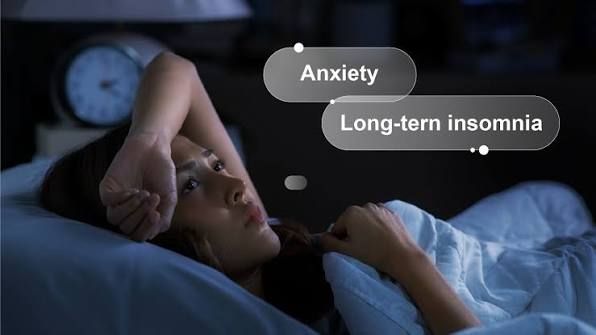
The correlation between sleep deprivation and migraines is not merely psychological; it is a profound cardiovascular and nervous system response. When we analyze why insufficient sleep triggers the dreaded morning headache, we must look at how the body manages stress during the night.
Normally, during a healthy sleep cycle, your sympathetic nervous system (“fight-or-flight”) steps back, allowing the parasympathetic nervous system (“rest-and-digest”) to dominate. Your heart rate slows down, blood vessels relax, and Heart Rate Variability (HRV) increases. High HRV is a strong indicator of a resilient, well-recovered autonomic nervous system.
However, when you suffer from sleep deprivation and migraines, this balance is flipped. Instead of resting, your body remains in a low-grade state of fight-or-flight throughout the night. Your heart rate stays elevated, your blood vessels remain constricted, and your HRV plummets. This autonomic strain is why you might wake up feeling like you’ve run a marathon, burdened by morning brain fog and a pounding lack of sleep headache.
For many, this manifests as an insufficient sleep headache that builds slowly behind the temples. The brain’s blood vessels, which are highly sensitive to autonomic signals, undergo rapid dilation and constriction. This vascular instability, combined with a lack of restorative sleep, irritates local nerve fibers, sending pain signals directly to the brain.
Understanding how sleep deprivation and migraines feed into chronic stress cycles reveals the danger of relying on self-medication. Many individuals struggling with sleep deprivation and migraines find themselves trapped in bad habits. Exhausted from non-restorative sleep, they rely on excessive caffeine or pain relievers during the day, which then keep them awake at night. This caffeine-induced awake-and-crash cycle further suppresses deep sleep, setting the stage for yet another insufficient sleep headache.
The Science of HRV & Migraine Resilience
Your Heart Rate Variability (HRV) is a direct window into your autonomic nervous system. A drop in your nightly HRV average indicates that your body is failing to recover from daily stressors. When you track your HRV alongside sleep stages, you can spot downward trends 24 to 48 hours before an attack strikes. Taking proactive steps—like winding down early and avoiding screens—when you notice a low HRV is one of the most effective ways to preempt an impending lack of sleep headache.
Managing sleep deprivation and migraines requires a multi-faceted approach. We often see patients suffer from sleep deprivation and migraines because of basic lifestyle patterns. For those caught between sleep deprivation and migraines, every night feels like a gamble. But by focusing on sleep deprivation and migraines together, rather than treating them as separate, unrelated issues, you can regain control.
We believe that the most successful individuals are those who transition from subjective guesswork to objective tracking. By monitoring biometric trends, you begin to see exactly how lifestyle habits—such as eating close to bedtime or screen exposure—impact your sleep depth and autonomic recovery.
If you are currently struggling with overcoming morning brain fog and constant headaches, it is highly likely that your deep sleep levels are consistently below the recommended 1.5 to 2 hours per night. This chronic deficit keeps your pain pathways on high alert, meaning even the slightest stressor can trigger a migraine. To protect your brain, you must prioritize consistent sleep hygiene and gather clean, screen-free biometric data.
Breaking the Cycle: Screen-Free Solutions for Restorative Sleep and Migraine Prevention

When addressing the complex relationship of sleep deprivation and migraines, the environment in which you prepare for rest is just as important as the number of hours you spend in bed. Modern life has tethered us to screens, and this constant exposure to blue light is a major culprit behind poor sleep hygiene.
Blue light suppresses the production of melatonin, the hormone responsible for signaling to your brain that it is time to sleep. When you look at your phone or watch a screen in bed, your brain thinks it is still daytime. This delays your transition into deep sleep and reduces overall REM sleep, leaving you highly vulnerable to an insufficient sleep headache. If you already suffer from migraines, the flickering light and intense focus required by screens can directly irritate the visual cortex, launching an attack before you even close your eyes.
For these reasons, establishing a screen-free wind-down routine is vital. Many health experts recommend removing all screens from the bedroom at least one hour before sleep. This practice supports optimizing your circadian rhythm, allowing your nervous system to wind down naturally.
But how do you track your recovery without relying on screen-heavy devices? This is where the beauty of screen-free wearable technology comes in. By using data to navigate sleep deprivation and migraines, you give yourself back your agency.
Meet the Herz P1 Smart Ring: Your Screen-Free Recovery Partner
A premium, subscription-free, ultra-lightweight titanium smart ring designed to track your health silently in the background. No screen, no distracting lights, no hidden monthly costs—just deep, actionable insights to reclaim your sleep.
By wearing a lightweight titanium ring like the Herz P1, you gain access to clinical-grade biometric data without the mental clutter of notifications or blue-light exposure. The ring continuously monitors your sleep stages, tracking whether you are getting enough deep rest to rebuild your defense against pain. It also assesses your daily activity to calculate an intuitive Daily Recovery Score. This simple metric takes the complexity out of health data, letting you know at a glance if you are ready to tackle the day or if you need to schedule a restorative rest period to prevent an impending lack of sleep headache.
Implementing strategies to increase deep sleep can significantly reduce the frequency of migraines over time. These strategies include maintaining a strict sleep schedule, sleeping in a cool and dark room, and limiting caffeine intake after midday. Over time, these steps work to desensitize the hyper-excitable nervous pathways that lead to systemic pain.
If you are currently dissatisfied with bulky smartwatches that disrupt your sleep and require tedious daily charging, transitioning to screen-free wearable alternatives is a logical next step. A smart ring offers comfort and longevity, with battery life that lasts for days, eliminating charging anxiety and the temptation to check notifications in the middle of the night.
Furthermore, paying close attention to the intersection of stress and somatic recovery is key. When your daily tracker shows a high Recovery Score, it means your cardiovascular and nervous systems have successfully reset. Conversely, a low score warns you that your body is under stress, prompting you to adopt holistic wellness tracking habits that protect your brain.
The biological link of sleep deprivation and migraines is mediated by cortical spreading depression and arterial blood flow. Proactively tracking your sleep ensures that you can intervene early. Ultimately, resolving sleep deprivation and migraines relies on high-quality sleep hygiene, autonomic balance, and precise somatic awareness.
By understanding how sleep deprivation and migraines interact, and by equipping yourself with clean, distraction-free biometric data, you can finally reclaim your physical and mental energy. You do not have to live in fear of the next lack of sleep headache. With the right lifestyle adjustments and a screen-free wellness partner like the Herz P1 Smart Ring, you can take control of your sleep, optimize your recovery, and build a resilient, migraine-free life.
Disclaimer: Results may vary depending on individual physical activity levels, unique health conditions, and daily tracking patterns. The Herz P1 Smart Ring is a wellness tracking device designed to monitor metrics and trend patterns. It does not diagnose, treat, or cure medical conditions, and should not be used as a substitute for professional medical advice or clinical evaluation.
