

Why Are You Waking Up Gasping for Air? Causes, Solutions, and When to Worry
Are you regularly waking up gasping for air in the middle of the night? This terrifying experience often stems from hidden sleep or cardiovascular disruptions. While tracking these episodes medically is vital, monitoring daily biometric trends like HRV and blood oxygen with the screen-free Herz P1 Smart Ring helps you identify underlying recovery patterns without screen distractions.
Take Back Your Sleep.
Take Back Your Life.
- Fall asleep faster & sleep deeper
- Stop waking up in the middle of the night
- Wake up refreshed & full of energy
- Discover the neurological, respiratory, and cardiovascular causes of sudden nocturnal awakenings.
- Learn how to differentiate a simple anxiety-driven episode from serious breathing issues.
- Understand how tracking Heart Rate Variability (HRV) and peripheral oxygenation provides objective recovery trends.
- Explore why comfortable, screen-free wearable technology is replacing bulky smartwatches for sleep and recovery optimization.
Understanding the Causes of Waking Up Gasping for Air

Quick Answer: Yes, experiencing these episodes is a signal your body is struggling to maintain steady respiration. The short answer is that waking up gasping for air is commonly caused by physiological airway obstructions, sudden drops in blood oxygen saturation, acid reflux, or acute nocturnal anxiety. However, to choose the right strategy, you need to understand the underlying bio-mechanisms of your body’s stress response during sleep.
When you experience gasping for air while sleeping, your brain is executing an emergency survival protocol. Under normal conditions, your autonomic nervous system regulates respiration seamlessly. However, if your airway collapses or your central nervous system fails to signal your breathing muscles, carbon dioxide levels rise rapidly in your blood. This triggers a sudden surge of adrenaline, designed to jar you awake so you can clear the airway. This protective reflex is why you suddenly find yourself bolt upright, disoriented, and breathless.
This stressful cycle of waking up gasping for air is rarely an isolated issue; it typically points to one of several physiological disruptions:
- Obstructive Sleep Apnea (OSA): The physical collapse of soft tissues in the back of the throat, blocking airflow. This leads to distinct pauses in breathing followed by a sharp gasp.
- Central Sleep Apnea (CSA): A communication breakdown where the brain temporarily stops sending signals to the respiratory muscles.
- Laryngospasm: A sudden, involuntary spasm of the vocal cords that temporarily blocks the entry of air into the lungs, often triggered by severe acid reflux (GERD).
- Nocturnal Panic Attacks: Sudden spikes in panic that occur without an obvious trigger during deep sleep stages, leaving you with a racing heart and shallow breathing.
When is it Safe to Track and When is it an Emergency?
It is crucial to self-identify your specific physiological needs. If you occasionally experience a mild sensation of breathlessness after a heavy meal or during a period of high daytime stress, optimizing your sleep environment and tracking lifestyle factors is a highly effective path forward. Using non-invasive tools to monitor your sleep stages and blood oxygen trends can give you invaluable context to share with your wellness team.
However, you should not rely solely on lifestyle tracking if you experience severe symptoms such as chest pain, chronic morning headaches, daytime somnolence that interferes with driving, or if a partner observes you choking or completely stopping breathing for long intervals. These signs require formal evaluation by a medical professional.
Suggested Holistic Solutions for Nighttime Restlessness
To support your body’s natural alignment and minimize nighttime breathing disruptions, consider integrating these foundational wellness habits:
First, adopt positional therapy. Sleeping flat on your back encourages gravity to pull the tongue and soft tissues downward, narrowing the airway. Try elevating your head slightly or using a body pillow to encourage side sleeping. Second, practice strict evening wind-down routines. Avoiding large meals, alcohol, and caffeine within four hours of sleep reduces the likelihood of acid reflux and autonomic nervous system over-arousal.
Finally, replace blue-light-emitting screens with passive tracking methods. Many individuals trying to understand their sleep quality rely on large smartwatches that flash notifications and require daily charging. For those who have woke up gasping for air, keeping an invasive screen strapped to the wrist often worsens the cognitive anxiety that prevents deep sleep. An elegant, screen-free alternative like the Herz P1 Smart Ring tracks these vital sleep trends passively, allowing you to focus on restful, undisturbed recovery.
Short FAQ: Addressing Sudden Awakenings
Q: Why do I keep waking up gasping for air?
A: This occurs when your blood oxygen levels drop or your airway becomes blocked, causing your brain to release stress hormones that force a sudden awakening to restore normal breathing.
Q: Is waking up gasping for air and heart racing dangerous?
A: While the protective awakening itself keeps you safe, frequent episodes put chronic stress on your cardiovascular system. It is important to monitor these trends and consult a physician if they persist.
Q: Can anxiety alone cause me to wake up gasping?
A: Yes, nocturnal panic attacks can happen during non-REM sleep, mimicking the physical sensations of airway obstruction even if your physical airway remains open.
The Biological Impact: Sleep Fragmentation and Heart Rate Variability

Every time you experience nocturnal breathlessness, your body’s internal homeostasis takes a hit. When your airway collapses or respiration halts, your blood carbon dioxide levels climb rapidly while oxygen levels drop. This state of hypoxia triggers an immediate, survival-driven emergency response from your sympathetic nervous system.
The brain signals the adrenal glands to flood your system with cortisol and adrenaline. Instantly, your smooth heart muscle contracts faster, causing you to experience waking up gasping for air and heart racing. While this hormonal rush keeps you alive by restoring muscle tone to your throat and forcing a gasp of air, it severely fractures your sleep architecture.
Even if you do not fully remember these events in the morning, these micro-awakenings yank you out of deeply restorative REM and Deep Sleep stages back into Light Sleep or complete wakefulness. Over time, this leads to profound cognitive fatigue, morning brain fog, and chronic physical exhaustion.
From a biometric perspective, the most reliable way to monitor the long-term impact of these sleep fragmentation patterns is through Heart Rate Variability (HRV). HRV is the variation in time between consecutive heartbeats, regulated by the autonomic nervous system. A high HRV indicates a healthy, adaptive nervous system that recovers quickly from stress. Conversely, a consistently suppressed HRV suggests your sympathetic nervous system is stuck in an overactive, fight-or-flight loop.
If you regularly spend your nights waking up gasping for air, your heart is forced to operate under constant stress. Monitoring your nightly HRV trends helps you see the real-world toll this takes on your nervous system. By analyzing objective biometric data, you can see if your recovery metrics improve as you implement positional changes, breathing exercises, or other sleep hygiene modifications.
Practical Steps to Reclaim Your Restful Sleep
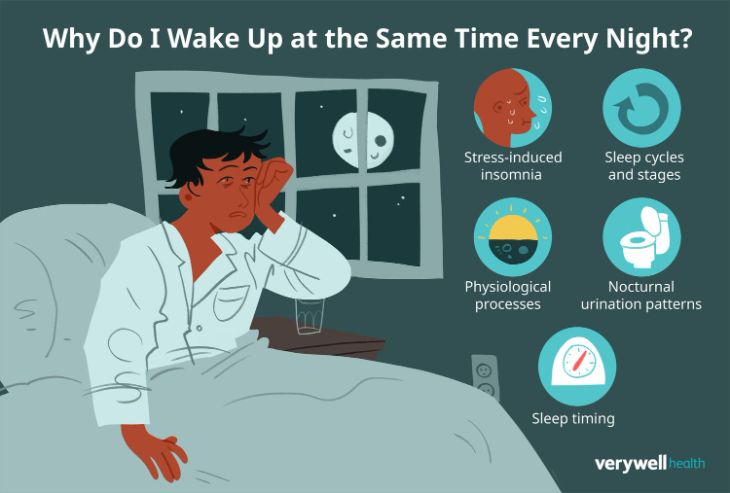
Reclaiming deep, restful sleep requires moving beyond guesswork. Many people who suffer from sudden, sudden nighttime awakenings try random sleep aids, only to find themselves still staring at the ceiling during frustrating 3 AM awakenings, battling a racing mind and heavy brain fog. The key to sustainable improvement is understanding your personal biometric baselines.
By establishing a clear picture of your nightly resting heart rate, blood oxygen levels, and HRV, you can systematically test what works for your unique physiology. For instance, you can track whether avoiding eating after 7 PM actually reduces nighttime awakenings, or if switching to side sleeping increases your deep sleep duration.
— Team Mind Body Dan
Unfortunately, many high-tech health trackers complicate this process. They feature bright, distracting touchscreens that tempt you to check notifications when you wake up in the middle of the night, further fragmenting your sleep. They require frequent charging, meaning they often sit on a desk instead of tracking your sleep. Plus, many are locked behind expensive, mandatory monthly subscription fees that cause immediate buyer’s fatigue.
The Screen-Free, Subscription-Free Tracking Solution
The Herz P1 Smart Ring offers an elegant way to bypass these issues. Crafted from medical-grade, ultra-lightweight titanium, it slides comfortably onto your finger, providing continuous biometric monitoring without the bulk of a typical smartwatch. Because it has no screen, there are no midnight light distractions to wake you up or trigger late-night scrolling.
The Herz P1 Smart Ring translates complex physiological metrics into simple, actionable daily sleep and recovery scores. Best of all, it operates on a subscription-free model: you buy the hardware once, and you own all of your health data forever. By monitoring your oxygen levels, sleep stages, and heart rate variability, you can easily track patterns and pinpoint the variables affecting your nights.
If you are tired of waking up gasping for air and feeling exhausted, it is time to take an active, data-informed approach to your wellness. By combining mindful lifestyle changes with continuous, comfortable biometric tracking, you can systematically support your airway, quiet your nervous system, and reclaim the energy you deserve.
Disclaimer: Results may vary depending on individual physical activity levels, unique health conditions, and daily tracking patterns. The content in this article is for informational and educational purposes only and is not intended to be a substitute for professional medical advice, diagnosis, or treatment. Always seek the advice of your physician or other qualified health providers with any questions you may have regarding a medical condition.
