

How Much Do Dogs Sleep? The Complete Science of Canine Rest and Recovery
Ever wondered why your dog snoozes all day while you struggle with 3 AM awakenings? While dogs rest naturally, humans require careful circadian alignment. Discovering how much do dogs sleep highlights our own need for quality rest. Track your recovery screen-free with the Herz P1 Smart Ring to reclaim your daily energy.
Take Back Your Sleep.
Take Back Your Life.
- Fall asleep faster & sleep deeper
- Stop waking up in the middle of the night
- Wake up refreshed & full of energy
- Canine Sleep Benchmarks: Adult dogs average 10 to 14 hours of sleep per day, naturally structured as polyphasic rest.
- Evolutionary Architecture: Dogs transition quickly between light rest and REM cycles to remain alert to environmental stimuli.
- Age & Breed Dynamics: Puppies and larger breeds require significantly more downtime, sometimes up to 20 hours daily.
- Human Restoration Parallel: Unlike dogs, our monophasic sleep requires intentional optimization and tracking using screen-free, biometric feedback.
Understanding Canine Sleep Patterns: How Much Do Dogs Sleep Daily?
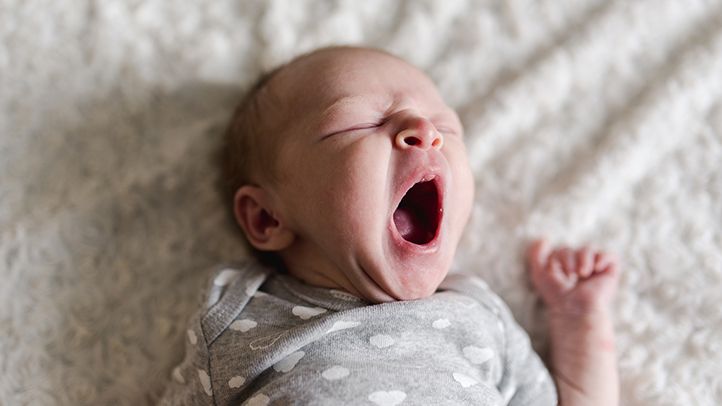
Quick Answer: Yes, dogs sleep significantly more than human beings. The short answer is that the average adult dog sleeps for about 10 to 14 hours every single day. However, to choose the right wellness practices for both yourself and your pet, you need to understand that age, breed, lifestyle, and environment play monumental roles in shaping these resting cycles.
When evaluating how much do dogs sleep, we must first look at the biological architecture of their rest. Unlike humans, who generally follow a monophasic sleep schedule—sleeping in one long block at night—dogs are classic polyphasic sleepers. This means they sleep in multiple short bursts throughout a 24-hour cycle. If you have ever felt frustrated watching your pet easily slide into a deep nap on the rug while you battle a racing mind or lay awake during frustrating 3 AM awakenings, you are witnessing two entirely different evolutionary sleep designs.
The mechanics of how a dog rests are fascinating. While we spend nearly 25% of our sleeping time in Rapid Eye Movement (REM) sleep, which is critical for mental restoration and memory consolidation, dogs spend only about 10% of their sleep cycle in this deep, restorative phase. Because their REM cycles are shorter and less frequent, they require more total hours of sleep overall to achieve the same level of mental and physical recovery. Curious owners asking how much do dogs sleep a day are often surprised to learn that their pet is actually awake and resting dynamically, rather than being in a heavy, unresponsive slumber for twelve straight hours.
To gauge how much do dogs sleep under normal conditions, we also have to recognize how quickly they can wake up. Because dogs evolved as both predators and prey, their brains remain highly responsive to auditory and olfactory cues even when they appear to be sound asleep. They can transition from a light snooze to full alertness in a fraction of a second. This biological hyper-vigilance means their sleep is naturally fragmented. If you find yourself struggling with non-restorative sleep, waking up feeling exhausted without knowing why, you are likely experiencing a similar type of micro-arousal, though in humans, this is often triggered by modern stressors like blue-screen exposure, notification pings, or daily work anxieties rather than survival instincts.
Self-Identification: Is Your Sleep Quality Mirroring Your Energy?
How do you know if your rest matches your biological requirements? Consider these indicators:
- The Canine Pattern: Wakes up alert, stretches, and immediately displays balanced physical energy.
- The Restless Human Pattern: Relies on caffeine to clear morning brain fog, feels drained by 2 PM, and experiences an overactive mind at bedtime.
- The Biometric Solution: If you are constantly tired despite spending eight hours in bed, you need to track your actual Sleep Stages (REM, Deep, Light) and your Heart Rate Variability (HRV) to identify where your recovery is breaking down.
Understanding how much do dogs sleep helps us realize that natural, restorative sleep cannot be forced; it must be cultivated. While your dog manages this by simply curling up whenever their body signals them to, humans must build intentional habits to protect their sleep. A primary indicator of health is how much do dogs sleep when they are relaxed versus when they are stressed. A dog in a stressful shelter environment may sleep significantly less, or conversely, sleep excessively due to depression. In humans, tracking these subtle shifts in our recovery patterns is just as crucial.
This is where modern technology can assist us—provided it doesn’t add to our stress. Many people who try to track their sleep are put off by bulky smartwatches that glow brightly in the dark, require charging every single night, and flood them with complicated, hard-to-read graphs. The ideal alternative is a screen-free tracking method like the Herz P1 Smart Ring. Crafted from lightweight titanium, this ring slips comfortably onto your finger and works silently in the background, utilizing advanced biometric sensors to measure your deep sleep, light sleep, REM sleep, and heart health metrics. It translates complex algorithms into a single, intuitive Daily Recovery Score—completely free of monthly subscription fees. While it is not designed for heavy, metal-on-metal gym workouts where the titanium could scratch, it is the ultimate, elegant companion for reclaiming your sleep quality.
Canine Sleep FAQ
How many hours a day do dogs sleep on average?
On average, adult dogs require between 10 to 14 hours of sleep per day. This is typically split between several hours of nighttime sleep and multiple naps throughout the daytime hours.
How many hours per day do dogs sleep if they are seniors?
Senior dogs usually require more sleep as they age, often resting for 15 to 18 hours per day. This increase in downtime helps their aging bodies recover from daily physical exertion and manage chronic conditions like joint discomfort.
How long do dogs sleep at night?
Most dogs sleep for about 6 to 8 hours at night, closely aligning their longest uninterrupted block of sleep with their owners’ schedules, though they may wake up briefly to change positions or check their surroundings.
Factors Influencing Canine Sleep: Age, Breed, and Activity Levels

Just like human sleep demands fluctuate across different life stages, how many hours a day do dogs sleep is highly dependent on their age, physical size, health status, and breed. Demystifying how much do dogs sleep across these varying contexts is key to ensuring your furry family member remains in peak condition.
Let’s examine how developmental stages alter canine sleep routines:
- Puppies (0 to 12 Weeks): Puppies are growing at an astronomical rate, exhausting immense amounts of energy during brief bursts of play. They require between 18 to 20 hours of sleep per day to support brain development, immune function, and bone growth.
- Adult Dogs (1 to 7 Years): As discussed, adult dogs settle into a steady rhythm of 10 to 14 hours. Their rest is more structured, with a long nocturnal block and several mid-day power naps.
- Seniors (7+ Years): Aging pets move slower, burn energy less efficiently, and tire more easily. Their sleep demands rise to 15 to 18 hours daily. An older dog sleeping noticeably more is normal, but sudden changes in their baseline should always be monitored.
If you look closely at how much do dogs sleep by breed size, you will find a direct correlation with metabolic rate. Giant breeds like Mastiffs, Great Danes, and Newfoundlands are notoriously relaxed, often earning the title of “couch potatoes.” These gentle giants can easily sleep up to 18 hours a day, as their bodies use massive amounts of metabolic energy simply to move and maintain basic functions. Conversely, small or working breeds—think Chihuahuas, Border Collies, or Jack Russell Terriers—typically sleep closer to the lower end of the spectrum (10 hours). Their higher metabolic rates and innate drive to perform tasks keep them naturally alert for longer stretches.
Furthermore, the answer to how much do dogs sleep changes based on environmental enrichment. We often wonder how much do dogs sleep a day when they are left home alone for long periods. The answer is: a lot, but largely out of sheer boredom. Active working breeds display significant differences in how much do dogs sleep when they are given daily mental and physical stimulation versus when they are left under-stimulated. If a dog lacks physical activities, they will use sleep as a coping mechanism to pass the time.
— Team Mind Body Dan
We can contrast this with our own complex rest cycles. Unlike dogs, our sleep is deeply impacted by psychological and physiological factors. We cannot sleep away our boredom; instead, our modern lifestyle choices directly dictate our sleep quality. To truly optimize our energy, we must pay attention to the importance of deep sleep, which is the period when human tissue repairs and the brain flushes out toxins accumulated during the day. Additionally, tracking our cardiovascular health through our heart rate variability explained simply gives us a window into our autonomic nervous system, showing us whether we are genuinely recovering or running on empty.
Canine Sleep vs. Human Sleep: How Tracking Can Reclaim Your Rest

When we ask how long do dogs sleep at night, we must realize that while our pets spend around 60% of their night asleep, their sleep architecture remains fundamentally distinct from our own. Humans strive for consolidated, uninterrupted sleep to align with our biological circadian rhythm. Our dogs’ natural sleep-wake rhythm highlights how much do dogs sleep naturally when free from alarm clocks and screens. But for us, modern environments make natural sleep a challenge.
While we analyze how much do dogs sleep, we must also focus on our own wellness foundations. If you find yourself scrolling through your phone in bed, you are disrupting your melatonin production. Prioritizing screen-free sleep hygiene is one of the most effective steps you can take to signal to your brain that it is time to wind down. By removing screens from the bedroom, you reduce the light pollution that tricks your brain into thinking it is still daytime, paving the way for easier sleep onset and deeper rest cycles.
Furthermore, utilizing an intuitive biometric tracker can help you make sense of your nights without creating data anxiety. Monitoring your body’s data with our recovery score guide helps you translate metrics like heart rate and resting body temperature into actionable wellness choices. Instead of guessing why you feel sluggish, you can pinpoint whether you got enough deep sleep, or if your sleep stages were fragmented. Understanding how to track REM sleep is equally important, as this is the phase where mental restoration occurs, helping to clear brain fog and build emotional resilience.
Why Choose the Herz P1 Smart Ring?
Unlike bulky fitness bands that demand your attention with buzzing screens and require daily charging, the Herz P1 Smart Ring is designed for subtle elegance and effortless tracking. Sleep comfortably while it maps your biometrics, giving you a comprehensive daily analysis of your health without the clutter.
- ✔ Ultra-light Titanium: Weighing nearly nothing, it ensures maximum comfort during sleep.
- ✔ Subscription-Free: Own your health data forever with zero ongoing monthly charges.
- ✔ Circadian Harmony: Screen-free tracking means no blue light interruptions in your bedroom.
- ✔ Multi-Day Battery Life: Spend less time charging and more time understanding your recovery.
Note: It is perfect for tracking sleep, daily habits, and heart rate trends, though not intended for heavy powerlifting where metal friction may scratch the band.
Aligning our daily lives with our natural circadian rhythms and health needs is a journey of small, consistent steps. When you find yourself combating nighttime anxiety, remember that simple, data-informed adjustments can help you steady your nervous system. By learning from our pets’ instinctual approach to rest, and keeping a close eye on how much do dogs sleep, we are reminded of how deeply healing natural rest cycles can be when we step back from the digital noise and listen to our bodies.
The core science of how much do dogs sleep highlights that recovery is not an indulgence—it is a physiological necessity. When we look at how many hours per day do dogs sleep, we realize that nature has designed animals to prioritize downtime. By tracking our daily trends with a screen-free tool like the Herz P1 Smart Ring, we can slowly shift our habits, reduce morning fatigue, and finally enjoy the deep, uninterrupted rest that we deserve.
Disclaimer: Results may vary depending on individual physical activity levels, unique health conditions, and daily tracking patterns. The information contained in this article is for educational and informational purposes only and is not intended to serve as medical advice. Always consult with a qualified veterinary professional regarding your pet’s health, or a medical professional regarding your own physiological well-being.
