

Are You Dreaming While Awake? Understanding Hypnopompic Hallucinations
Wake up feeling like you are dreaming while awake? These startling experiences, known as hypnopompic hallucinations, can turn morning wake-ups into a source of stress. We explore why they happen and how tracking biometric data using tools like the Herz P1 Smart Ring can help you reclaim restful mornings.
Take Back Your Sleep.
Take Back Your Life.
- Fall asleep faster & sleep deeper
- Stop waking up in the middle of the night
- Wake up refreshed & full of energy
Key Highlights: What You Will Learn
- The Science of Transition: Why the brain gets stuck between REM sleep and wakefulness, triggering vivid sensory illusions.
- The Autonomic Connection: How daily stress, elevated heart rate, and irregular sleep stages influence the frequency of hypnopompic hallucinations.
- Actionable Tracking: Why utilizing a screen-free biometric tool can help decode your body’s stress and recovery trends without disrupting your sleep hygiene.
Table of Contents
What Are Hypnopompic Hallucinations? The Science of Waking Dreams

Quick Answer
Yes, experiencing vivid sensory perceptions immediately upon waking is a documented physiological event known as a hypnopompic hallucination. The short answer is that these events occur when your brain transitions unevenly out of REM sleep, causing dream-like imagery to overlap with the physical world. However, to choose the right way to manage them, you need to understand how sleep architecture, stress, and nervous system recovery interact with your daily habits.
Detailed Explanation
Have you ever opened your eyes in the quiet dawn, only to see a shadow move across the ceiling, or hear a faint, unexplained voice calling your name? You are not losing your mind. What you are experiencing are hypnopompic hallucinations—vivid, sensory-rich illusions that occur during the delicate transition from sleep to waking. Unlike nightmares, which are contained within sleep, a hypnopompic hallucination occurs when your eyes are open, and you are partially aware of your real-world surroundings.
To understand this phenomenon, we must look at the architecture of normal human sleep. Throughout the night, your brain cycles through non-REM (NREM) and rapid eye movement (REM) phases. During REM sleep, dreaming is highly active, and the brain naturally paralyzes your skeletal muscles—a state called motor atonia—to keep you from physically acting out those dreams. Normally, as you wake, this REM cycle ends, motor control returns, and your conscious mind takes over.
But when this transition becomes desynchronized, a boundary blur occurs. The reticular activating system, which governs alertness, wakes up your conscious mind while the visual and auditory processing areas of your brain remain momentarily locked in the REM dream state. This results in hallucinations when waking up. You are alert enough to perceive your bedroom, yet you are still experiencing the sensory outputs of a dream.
When to Monitor Closely
For the vast majority of people, experiencing a hypnopompic hallucination is benign and occurs only occasionally. It is a sign of temporary physical fatigue, high mental stress, or disrupted sleep patterns. However, you should monitor these occurrences closely if they are accompanied by sudden daytime sleep attacks, chronic muscle weakness during emotional moments (cataplexy), or if they severely disrupt your emotional well-being. In such cases, consulting a healthcare professional is recommended to explore potential sleep disorders like narcolepsy.
How to Address the Root Causes
The most effective way to calm a nervous system prone to waking dreams is to establish strong circadian rhythms. This means going to bed and waking up at consistent times, minimizing synthetic light exposure in the evenings, and tracking your sleep architecture. But traditional monitoring methods present a major catch-22. Wearing a bulky, glowing smartwatch to bed can actually trigger the exact sleep disruptions and nighttime awakenings you are trying to avoid. Additionally, receiving stressful notifications on your wrist right before sleep can activate your autonomic nervous system, lowering your heart rate variability (HRV) and increasing the likelihood of a irregular REM exit.
This is why screen-free biometric tracking has become so valuable. By tracking your sleep stages, HRV, and overall recovery without the distraction of a screen, you gain the objective insights you need to optimize your rest. The Herz P1 Smart Ring offers a seamless, subscription-free alternative. Made from ultra-lightweight titanium, it continuously monitors your biometrics as you sleep, helping you identify trends in your REM sleep and recovery metrics without adding to your sensory load.
Common Inquiries About Waking Dreams
What is the difference between hypnagogic and hypnopompic hallucinations?
The key difference lies in the timing. Hypnagogic hallucinations occur while you are falling asleep, during the transition from wakefulness to NREM sleep. In contrast, a hypnopompic hallucination occurs when you are waking up, during the transition from REM sleep back to conscious wakefulness.
Can stress trigger hallucinations when waking up?
Yes. Elevated levels of daytime stress and cortisol disruption can prevent smooth transitions between your sleep cycles. When your nervous system is in a state of high alert, the brain is more likely to experience erratic transitions, leading to a higher frequency of a hypnopompic hallucination.
Are waking dreams a sign of a mental health disorder?
No. In most cases, experiencing a hypnopompic episode is entirely normal and is simply a physical response to sleep deprivation, irregular sleep cycles, or physiological stress. It is not an indicator of psychological illness.
The Biometric Connection: How Sleep Quality and HRV Influence Waking Dreams
The Role of the Autonomic Nervous System
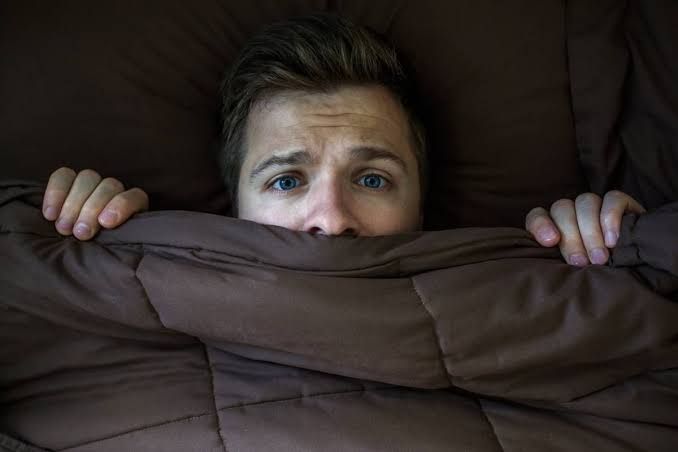
To understand why you might find yourself dreaming while awake, we must look closely at your autonomic nervous system (ANS). The ANS balances two primary modes: the sympathetic branch (fight-or-flight) and the parasympathetic branch (rest-and-digest). Under ideal conditions, your body shifts deeply into parasympathetic dominance as you sleep. This shift allows your heart rate to lower, your respiration to stabilize, and your heart rate variability (HRV) to increase.
However, many of us carry the stresses of the day directly into our beds. When you experience a racing mind, late-night anxiety, or depend on late-night screen scrolling, your sympathetic nervous system remains active. This physical tension is often accompanied by elevated resting heart rates and a suppressed HRV throughout the night. When your body fails to recover fully, your sleep architecture becomes fragmented, leading to frequent 3 AM awakenings, lighter sleep stages, and a higher risk of experiencing hallucinations when waking up.
Biometric science shows us that episodes of hypnopompic hallucinations are closely tied to these periods of physiological stress. When NREM and REM cycles are interrupted by stress-induced micro-arousals, the brain’s ability to transition smoothly between sleep stages is compromised. Instead of waking up refreshed, you may experience a waking dream where dream imagery leaks into your physical reality.
Why Traditional Sleep Trackers Often Fall Short
For many individuals seeking to resolve these sleep issues, typical wrist-bound smartwatches present unexpected hurdles. First, their bulky size can be uncomfortable to wear to bed, potentially causing physical sleep disruptions. Second, the constant temptation of notifications and glowing screen light can interfere with melatonin production and fuel sleep anxiety. Finally, many modern trackers gate your data behind expensive subscription fees, causing frustration when trying to access simple insights.
We believe that health tracking should support your lifestyle, not complicate it. This is why we recommend screen-free, lightweight tracking options like the Herz P1 Smart Ring. It continuously monitors your heart rate, HRV, and sleep stages (REM, Deep, Light) using advanced, medical-grade biometric sensors, delivering your daily recovery trends directly to an easy-to-use companion app without the distraction of wrist notifications or monthly fees.
Why screen-free biometric tracking supports healthier sleep patterns:
- Zero Visual Distractions: No notifications or bright screens to disrupt your natural wind-down routines.
- Consistent, Lightweight Comfort: An ultra-lightweight titanium build that is comfortable to wear throughout the night.
- Actionable Metrics: Simple daily Recovery Scores translate complex biometric data into clear, stress-free insights.
By tracking your sleep stages and heart rate variability, you can see exactly how lifestyle adjustments—such as reducing caffeine or establishing a consistent bedtime—affect your sleep quality. For example, a rising HRV trend and stabilized REM cycles are strong indicators that your nervous system is recovering well, which can naturally help reduce the frequency of waking dream illusions.
Practical Steps to Calm Your Nervous System and Reclaim Your Mornings
Establishing a Restorative Routine
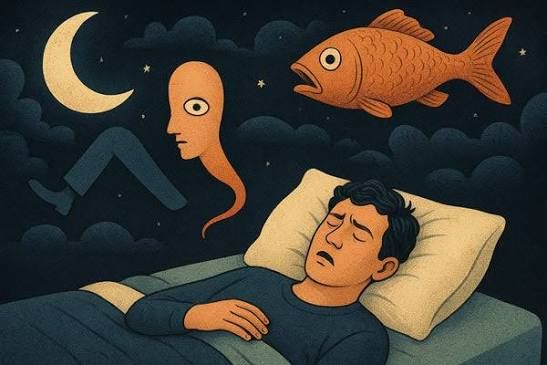
If you are experiencing a hypnopompic hallucination on a regular basis, there are several simple lifestyle changes you can implement to support a calmer nervous system. Focus on optimizing your daily habits to help your body transition smoothly into restorative rest.
Start by addressing sleep debt, which is a major contributor to sleep architectural disruptions. When your body is sleep-deprived, it experiences a phenomenon known as “REM rebound,” where the brain prioritizes intense, highly active REM sleep cycles. This rapid shift into REM sleep increases the likelihood of waking up during an active dream state, which can trigger hallucinations when waking up.
To build a consistent sleep structure, consider the following daily practices:
- Stick to a Consistent Schedule: Go to bed and wake up at the same time every day, even on weekends, to support your natural circadian rhythms.
- Create a Screen-Free Wind-Down: Avoid laptops, televisions, and smartphones for at least 60 minutes before bed to minimize blue light exposure.
- Keep Your Bedroom Cool and Dark: A quiet, cool, and dark room supports deep sleep stages and helps prevent late-night awakenings.
- Track and Understand Your Body’s Needs: Use screen-free tools to monitor how your body responds to daytime stress and evening relaxation habits.
Reclaim Your Natural Recovery
Understanding your sleep architecture doesn’t require bulky screens or ongoing subscription fees. By monitoring your heart rate variability and sleep cycles seamlessly, you can make informed adjustments to support your overall wellness.
How Consistent Metrics Guide Your Wellness Journey
Making changes to your sleep habits is highly effective, but tracking the results helps you understand what truly works for your body. Seeing an upward trend in your Heart Rate Variability (HRV) or noting a more balanced distribution of NREM and REM sleep can provide the reassurance that your sleep quality is improving.
By using a screen-free, subscription-free tracking tool like the Herz P1 Smart Ring, you can easily monitor these trends. Its elegant titanium design fits comfortably on your finger, delivering accurate sleep stage details, HRV analysis, and a daily Recovery Score without the distraction of a glowing screen or monthly costs. Reclaiming your rest and managing your waking transitions is entirely possible with the right habits and insights.
Disclaimer: Results may vary depending on individual physical activity levels, unique health conditions, and daily tracking patterns. The content provided is for informational and educational purposes only and is not intended as medical advice. Always consult with a qualified healthcare professional before making any significant changes to your health or sleep routines.
