

Can You Die from Not Sleeping? The Scientific Limits of Extreme Sleep Loss
We have all experienced those exhausting, restless nights—lying awake at 3 AM with a racing mind, staring at the ceiling in frustration. But can you die from not sleeping? While extreme sleep deprivation has serious physiological limits, understanding your body’s recovery signals is key to longevity. Track these vital recovery trends effortlessly with a screen-free Herz P1 Smart Ring.
Take Back Your Sleep.
Take Back Your Life.
- Fall asleep faster & sleep deeper
- Stop waking up in the middle of the night
- Wake up refreshed & full of energy
Key Article Insights
- Direct Physiological Limits: Examining the extreme bounds of sleep loss, cognitive failure, and systemic crash.
- The Cardiovascular Cost: How consistent sleep loss degrades Heart Rate Variability (HRV) and cardiovascular health.
- Factual Risk Factors: Explaining why direct mortality from sleep deprivation is highly rare compared to secondary safety risks.
- Screen-Free Solutions: How monitoring your recovery metrics without screens helps reclaim sleep hygiene.
The Biological Limits of Extreme Sleep Loss

Quick Answer: Yes, but indirectly. The short answer is that while your body’s survival mechanics will typically force you into involuntary “microsleeps” before you can literally die from sleep deprivation, the severe physiological, cognitive, and cardiovascular stress caused by extreme sleep loss can lead to fatal secondary outcomes. However, to choose the right wellness path and protect your vitality, you need to understand the biological mechanisms at play when you skip rest.
When investigating the core question, can you die from not sleeping, we must look at how the human body processes extreme sleep debt. For decades, researchers, athletes, and biohackers have sought to discover the absolute limits of human endurance. We know that we can survive weeks without food and days without water, but sleep remains an absolute biological mandate. When we deny our bodies this essential state of restoration, our systems begin to collapse sequentially.
So, how long can u go without sleep before you die? In controlled animal studies conducted in the late 1980s, researchers discovered that rats subjected to total sleep deprivation died within 11 to 21 days. The cause of death wasn’t a simple shutdown of one organ, but rather a catastrophic collapse of the immune system, severe thermoregulatory failure, and systemic infection. In humans, ethical boundaries prevent us from testing these lethal limits in a laboratory setting, making it difficult to pinpoint exactly how long can u go without sleep before you die. However, historical records of extreme sleep loss show us just how quickly cognitive and physical processes degrade.
The famous case of Randy Gardner in 1964, who stayed awake for 11 days (264 hours) under medical supervision, showed that humans can survive extreme wakefulness without immediate fatal outcomes. Yet, by the end of his self-imposed experiment, Gardner suffered from severe hallucinations, paranoia, and cognitive decline. This demonstrates that while you might not experience immediate organ failure, the question of whether can you die from lack of sleep becomes more about the hazardous behaviors and systemic strain that result from this state of extreme fatigue.
When analyzing if can you die from sleep deprivation, we must differentiate between acute total sleep deprivation and chronic partial sleep deprivation. Acute sleep deprivation means staying awake for consecutive days, which severely elevates your risk of accidental death. Micro-sleeps—uncontrollable lapses of attention lasting from a fraction of a second up to thirty seconds—frequently occur in heavily fatigued brains. If you are operating heavy machinery or driving a vehicle, a single micro-sleep can be fatal. In this sense, the answer to can you die from not sleeping is a resounding yes; cognitive failure and slowed reaction times are leading causes of fatal accidents worldwide.
Furthermore, we must address the physiological stress of a racing mind and the accumulation of toxic byproducts in the brain. During deep sleep, our brain’s glymphatic system clears metabolic waste, including beta-amyloid proteins. Without this vital “nightly wash,” these proteins build up, leading to severe brain fog, memory issues, and long-term cognitive decline. This chronic strain highlights why so many people ask: can you die from lack of sleep? Over time, the wear and tear on your vital systems is immense.
— Team Mind Body Dan
For those struggling with chronic sleep issues, understanding sleep deprivation effects is the first step toward recovery. When you experience non-restorative sleep, your body is unable to repair tissue, regulate hormones, or balance inflammatory markers. This is why we recommend looking closely at your daily sleep metrics. To make tracking simple and screen-free, many turn to the Herz P1 Smart Ring, which tracks sleep stages, deep rest, and heart rate variability without the blue-light disruption of typical smartwatches.
Frequently Asked Questions About Extreme Sleep Loss
Is there a genetic condition where you cannot sleep?
Yes. Fatal Familial Insomnia (FFI) is an extremely rare, genetic, neurodegenerative prion disease characterized by progressive, worsening insomnia. Over several months, individuals with FFI completely lose the ability to sleep, leading to rapid physical and cognitive decline, and ultimately death. This condition proves that can you die from not sleeping is medically true when the biological mechanism of sleep is entirely destroyed.
What happens to the heart during prolonged wakefulness?
When you go without sleep, your sympathetic nervous system (“fight or flight”) remains highly active. This causes an increase in blood pressure, an elevated resting heart rate, and a sharp drop in your Heart Rate Variability (HRV). This cardiovascular strain significantly increases the risk of heart attacks and strokes.
Does catching up on sleep during weekends reverse the damage?
While sleeping in on the weekends can help reduce acute sleepiness, research shows it does not fully reverse the metabolic and cardiovascular damage caused by chronic sleep loss. Consistency in sleep schedules is far more beneficial than trying to pay back a massive sleep debt all at once.
The Cardiovascular and Neurological Costs of Sleep Loss

When analyzing how can you die from not sleeping, the conversation naturally shifts to the heart and nervous system. Chronic sleep loss acts as a slow, progressive stressor on your entire body. To understand this impact, we must look at the autonomic nervous system and its primary biometric health indicator: Heart Rate Variability (HRV).
Your HRV measures the variation in time between consecutive heartbeats. A higher HRV indicates a resilient, adaptable nervous system that can handle stress and recover efficiently. Conversely, a low HRV is a strong indicator of physical exhaustion, stress, and systemic fatigue. When you continuously experience sleepless nights, your body is unable to enter deep, restorative sleep stages. As a result, your HRV drops, and your resting heart rate remains elevated throughout the night.
This biological reality shows why can you die from lack of sleep over a long period. Chronic, low-quality sleep raises your risk of developing cardiovascular diseases. When you don’t sleep, your blood pressure fails to experience its natural nightly “dip.” This constant pressure damages blood vessels and strains the heart muscle, making consistent sleep critical for heart health. Monitoring these heart trends through heart rate variability tracking is one of the most proactive steps you can take to monitor your overall recovery.
Biometric Indicators of Sleep Deprivation
When you are severely sleep-deprived, your body sends clear signals through its biometrics:
- Suppressed HRV: A sharp drop in Heart Rate Variability indicates your nervous system is stuck in “fight or flight” mode.
- Elevated Resting Heart Rate (RHR): An RHR that remains high during sleep shows your body is struggling to recover.
- Reduced Deep Sleep Stages: Missing out on deep sleep stops cellular repair and growth hormone release.
- Imbalanced Sleep Stages: An irregular balance of REM and Light sleep stages disrupts cognitive recovery.
Furthermore, the neurological consequences are severe. Have you ever wondered why can you die from sleep deprivation when focusing on the brain? It’s because your brain relies on sleep to reorganize neural pathways and consolidate memories. During deep sleep, toxic metabolic waste is cleared from the brain. If you cut this process short, you will likely experience brain fog, memory lapses, and severe emotional instability.
Those who suffer from sleep deprivation often find themselves relying on poor habits, such as consuming excessive caffeine during the day or taking sleeping pills at night. These habits only mask the underlying issue, creating a cycle of non-restorative sleep. To break this cycle, you must focus on increasing your deep sleep stages. Knowing your sleep data can help you understand which lifestyle habits are helping or hurting your rest.
But how do you track these metrics without disrupting your sleep further? Many people find traditional smartwatches bulky and distracting. The constant screen glare and notifications can trigger a racing mind just as you are trying to wind down. This is where screen-free sleep tracking technology becomes incredibly valuable. It provides the deep insights you need without the screen distractions that keep you awake.
Reclaiming Your Sleep: Practical Screen-Free Habits and Biometric Tracking
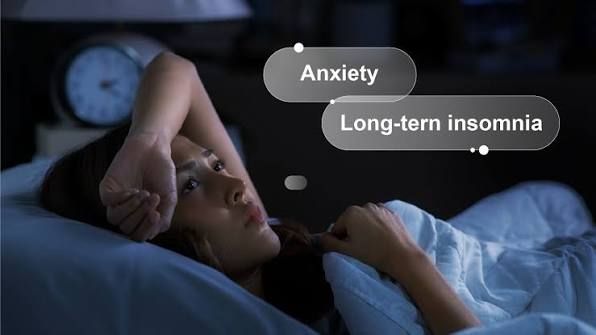
Understanding the risks of sleep loss is important, but how do we fix it? When you are lying awake at night with a racing mind, wondering how long can u go without sleep before you die, what you really need are practical, actionable solutions. Reclaiming your sleep is about building consistent habits and monitoring how your body responds to those changes over time.
First, we must prioritize sleep hygiene. This means keeping your bedroom cool, dark, and quiet. It also means setting a consistent sleep schedule to help regulate your body’s internal clock. If you struggle with middle-of-the-night awakenings, try writing down your thoughts before bed to quiet a racing mind. For more support, read our guide on overcoming 3 AM awakenings.
Another crucial step is avoiding screens before bed. The blue light emitted by phones and TVs suppresses melatonin production, making it much harder to fall asleep. Implementing screen-free sleep habits is highly effective for improving sleep quality. However, many of us still want to track our sleep and recovery metrics to see if our habits are working.
This is where standard smartwatches can be counterproductive. They are often heavy, uncomfortable to wear to bed, and require daily charging. Worse, their bright screens and constant notifications can make it harder to wind down, leading to more sleep anxiety. This is why we recommend a screen-free, lightweight alternative.
An Elegant, Screen-Free Way to Track Your Sleep
If you want to track your sleep without the distraction of screens or monthly fees, the Herz P1 Smart Ring offers a beautiful, titanium solution.
- Subscription-Free: No hidden monthly fees—buy once and own your data forever.
- Titanium Design: Ultra-lightweight and exceptionally comfortable to wear while sleeping.
- Simple Biometrics: Translates complex heart rate, sleep stage, and HRV data into an easy-to-read daily Recovery Score.
- Long Battery Life: Spend less time charging and more time gathering accurate, continuous sleep data.
By focusing on how your body recovers, you can make better choices about your daily habits. For instance, you might notice that eating a heavy meal late at night drops your HRV and reduces your deep sleep. Or, you might find that going for a morning walk helps align your body’s natural rhythms. Learn more about this in our guide on re-aligning your circadian rhythm.
Ultimately, the answer to can you die from not sleeping reminds us how essential sleep is to our health. While you won’t pass away from a single bad night, chronic sleep deprivation strains your body, affects your safety, and compromises your heart health. Taking control of your rest isn’t just about feeling better tomorrow—it’s about protecting your long-term wellness.
If you are ready to break the cycle of restless nights and start tracking your sleep naturally, focus on consistent, healthy habits. By paying attention to your body’s recovery signals, you can take meaningful steps toward deeper, more restorative sleep. For more tips on improving your sleep quality, read our guide on REM sleep cognitive functions, or explore our recovery strategies in sleep tracking biometrics.
Disclaimer: Results may vary depending on individual physical activity levels, unique health conditions, and daily tracking patterns. The information provided in this article is for educational purposes only and is not intended to replace professional medical advice, diagnosis, or treatment. Always consult with a qualified healthcare provider regarding any health-related concerns.
