

Why Do You Stay Up So Late When You Are Exhausted? How to Overcome Revenge Bedtime Procrastination
Do you find yourself doom-scrolling at 2 AM despite feeling utterly exhausted? This exhausting cycle is known as revenge bedtime procrastination, where we sacrifice sleep for late-night leisure. By tracking your body’s vital metrics with a screen-free tool like the Herz P1 Smart Ring, you can naturally reclaim your sleep.
Take Back Your Sleep.
Take Back Your Life.
- Fall asleep faster & sleep deeper
- Stop waking up in the middle of the night
- Wake up refreshed & full of energy
What We Will Cover in This Guide
- The Psychology of Delayed Rest: Why our exhausted brains default to revenge bedtime procrastination when we lack control during our waking hours.
- The Biological Toll: How late-night tracking reveals the hidden damage of sleep procrastination on your Sleep Stages (REM, Deep, Light) and Heart Rate Variability (HRV).
- Operational Solutions: Why bulky smartwatches fail to support your recovery and how screen-free smart rings provide a seamless tracking experience.
- Actionable Steps to Recovery: Practical, science-backed behavioral shifts to transition from a racing mind to restorative, deep sleep.
Understanding the Cycle of Revenge Bedtime Procrastination

Yes, staying up late when you are already exhausted is a recognized behavioral pattern. The short answer is that revenge bedtime procrastination is a subconscious attempt to reclaim personal autonomy at night after a day of high stress and minimal free time. However, to choose the right strategy or screen-free tracking tool to break this habit, you need to understand your body’s underlying biological stress markers and sleep cycle structures.
The psychological pattern of revenge bedtime procrastination stems from a deep conflict between our cognitive intentions and our physiological needs. The concept traces its roots back to the term “gūbǎorì,” translated directly as revenge sleep procrastination, which emerged to describe workers who reclaimed their only free hours of the day by refusing to go to bed at a reasonable time. This form of revenge procrastination acts as an emotional safety valve for individuals who feel they have zero control over their daily schedules.
When we fall victim to chronic sleep procrastination, we delay the rest our body desperately requires to function. Combatting this type of bedtime procrastination requires us to explore the biological feedback loop of our recovery. Instead of asking yourself why do i stay up so late night after night, you can look to objective health metrics to build a solid path forward.
When you engage in revenge bedtime procrastination, you are bargaining with tomorrow’s energy. Those trapped in the loop of revenge bedtime procrastination often find themselves scrolling through social feeds or watching streaming television simply to avoid the transition to sleep. Combating chronic revenge bedtime procrastination requires objective bio-feedback, helping you connect late-night actions to daytime fatigue.
Understanding your triggers for revenge bedtime procrastination can help you build behavioral guardrails. If you want to fix your revenge bedtime procrastination, you must recognize that the mental fatigue behind revenge bedtime procrastination is a signal that your nervous system is operating on overdrive.
When to Use and When Not to Use Behavioral Tracking
Tracking your rest patterns is an excellent approach for individuals who are generally healthy but find themselves falling into a cycle of late-night scrolling and daytime fatigue. It acts as an objective mirror, highlighting the physical toll of your choices. However, biometric tracking is not a replacement for clinical intervention. If you are experiencing symptoms of chronic insomnia, sleep apnea, or severe clinical anxiety, you should consult a qualified physician to address these medical conditions.
Suggested Solutions: Moving to Screen-Free, Lightweight Tracking
To break this loop, we need to make the feedback loop immediate and visual. But using a bulky smartwatch that lights up with notifications defeats the purpose. The ideal solution is a screen-free, lightweight biometric tracker like the Herz P1 Smart Ring. It operates silently in the background, measuring sleep stages, heart rate variability (HRV), and temperature without the constant blue-light distraction of a screen. Furthermore, its subscription-free model ensures you own your health data forever, without paying a monthly fee just to view your sleep metrics.
Frequently Asked Questions
Q: Why do I feel wide awake as soon as I lie down in bed?
A: This is known as conditioned arousal. When you repeatedly use your bed for scrolling, worrying, or working, your brain associates the bed with alertness rather than sleep. Removing screens is vital to rebuilding the bed-sleep association.
Q: How does revenge bedtime procrastination affect my heart rate variability (HRV)?
A: When you fall into revenge bedtime procrastination, your body remains in a sympathetic (fight-or-flight) state. This prevents your heart rate from dropping naturally and lowers your HRV, which means your autonomic nervous system remains highly stressed overnight.
Q: What is the benefit of a screen-free tracker like a smart ring?
A: Traditional smartwatches create hyperarousal through vibration alerts, notifications, and blue-light emission. A titanium smart ring has no screen, uses no active notifications, and tracks your sleep stages using medical-grade PPG sensors on your finger, where blood vessels are closer to the surface than the wrist.
Q: Can tracking my recovery score actually change my habits?
A: Yes. Seeing an objective, low Recovery Score in the morning after a late night provides a clear, biological consequence to your behavior, helping your brain connect “scrolling at midnight” with “feeling terrible at 9 AM.”
The Biological Impact: How Late Nights Disrupt Sleep Stages and Heart Rate Variability (HRV)
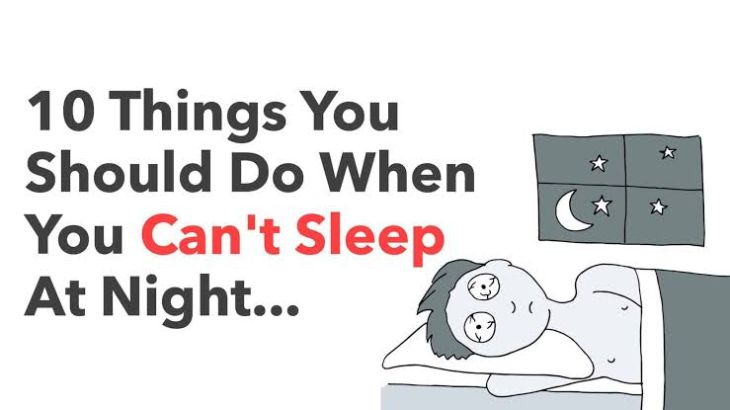
The biological cost of revenge bedtime procrastination is measured in physiological markers that control our mood, cognitive function, and cellular repair. When we stay up past our natural sleep window, we do not simply lose hours of rest; we alter the delicate architecture of our sleep stages.
Our nightly sleep is divided into distinct, 90-minute cycles containing Light, Deep, and Rapid Eye Movement (REM) sleep. By delaying sleep via revenge bedtime procrastination, you shorten your overall sleep time, meaning you often miss out on crucial early-night Deep Sleep and early-morning REM sleep. Deep sleep is when physical restoration occurs, tissue is repaired, and waste is cleared from the brain. REM sleep, on the other hand, handles memory consolidation and emotional processing, helping us manage daily stress and avoid severe brain fog.
The habit of revenge sleep procrastination directly cuts into these cycles. This makes sleep procrastination highly destructive, as the brain cannot simply “catch up” on missed deep or REM stages by sleeping in over the weekend. Furthermore, the daily impact of bedtime procrastination can be monitored through your cardiovascular indicators, primarily resting heart rate and Heart Rate Variability (HRV).
Why HRV is Your Ultimate Recovery Compass
Unlike heart rate, which simply counts beats per minute, Heart Rate Variability (HRV) measures the balance between your sympathetic (fight-or-flight) and parasympathetic (rest-and-digest) nervous systems. A higher HRV indicates that your body is highly adaptable and fully recovered, while a low HRV signals that your body is still processing stress. Tracking this daily helps you make informed choices about your physical activity and rest cycles.
The physiological footprint of revenge bedtime procrastination is clearly seen in your morning metrics. Answering the question why do i stay up so late requires objective metrics, as physical exhaustion is not always reflected in a subjective feeling of sleepiness. The systemic impact of revenge procrastination on human biology includes elevated resting cortisol levels, which can cause you to wake up at 3 AM with a racing mind and feelings of panic.
Overcoming revenge bedtime procrastination is not just about willpower; it is about establishing a sensory feedback system. Those who track their revenge bedtime procrastination trends with a wearable device can physically observe their daily Recovery Score rise when they transition to bed just thirty minutes earlier. The Herz P1 Smart Ring uses raw biometric algorithms to convert sleep stages and HRV into a clear, single Recovery Score, taking the complexity out of tracking your health.
Practical Steps to End Revenge Bedtime Procrastination
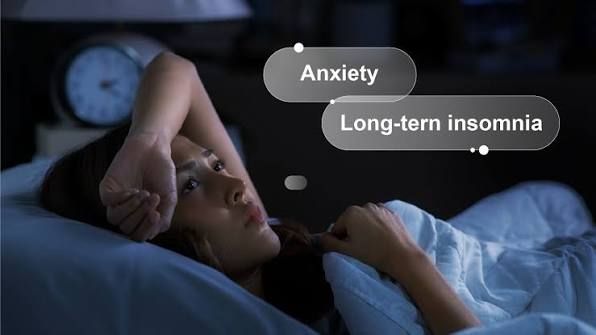
Breaking the habit of staying up late requires a gentle, structured transition from the hectic pace of your day to the calmness of the night. By making small environmental and behavioral shifts, you can slowly realign your body’s circadian rhythm.
To successfully move past revenge bedtime procrastination, we must address the sensory inputs we expose ourselves to late at night. One key to solving revenge bedtime procrastination is daily consistency. If you are tired of asking why do i stay up so late, try shifting your environment by placing your phone in another room and choosing to track your sleep with a screen-free device.
You cannot simply “willpower” your way out of revenge bedtime procrastination, especially if your body is in a state of chronic sympathetic overdrive. By replacing the triggers of revenge bedtime procrastination with screen-free, calming rituals, you allow your brain to build up its sleep pressure naturally. The ultimate solution to revenge bedtime procrastination is establishing a screen-free winding-down routine that starts one hour before bed.
Tracking revenge sleep procrastination helps you understand how late nights disrupt your internal biology. Breaking free from revenge procrastination is possible when you start prioritizing recovery. Overcoming sleep procrastination requires changing how we view our evenings—not as a time to claim “revenge” from the day, but as a space to prepare for the challenges of tomorrow.
By tracking bedtime procrastination with precision, you can learn to work with your body’s biology instead of against it. When you commit to a screen-free environment, you are giving your nervous system the quiet space it needs to enter parasympathetic recovery, leading to improved sleep stages and a higher HRV. Reclaim your energy and end revenge bedtime procrastination forever by investing in a tool that respects your rest.
Ready to Reclaim Your Nights and Energy?
The cycle of bedtime procrastination stops when you have the right tools. Skip the bulky smartwatches, avoid the screens, and experience the premium comfort of a subscription-free smart ring designed to help you live a more balanced, restorative life.
Disclaimer: Results may vary depending on individual physical activity levels, unique health conditions, and daily tracking patterns. The information contained in this article is for educational and informational purposes only and is not intended to diagnose, treat, or cure any medical condition. Always consult with a licensed physician or healthcare professional before making changes to your sleep habits or exercise routine.
