

Can CPAP Cause Nosebleeds? Your Guide to Preventing Nasal Dryness and Reclaiming Restful Sleep
Waking up to a sudden, unsettling cpap nosebleed can turn your quest for restorative sleep into a stressful, anxious cycle. At Mind Body Dan, we know how fragile night-time recovery is. Discover why airway therapy causes dryness and how a screen-free Herz P1 Smart Ring tracks your real-time physiologic recovery without bulky distractions.
Take Back Your Sleep.
Take Back Your Life.
- Fall asleep faster & sleep deeper
- Stop waking up in the middle of the night
- Wake up refreshed & full of energy
In This Comprehensive Guide:
- The Core Connection: How dry pressure physically compromises your nasal lining.
- Identifying Your Triggers: Mask leaks, climate variations, and incorrect humidity settings.
- Actionable Adjustments: Practical environmental modifications to prevent irritation.
- Biometric Validation: Using screen-free insights to confirm sleep improvement.
Understanding the Link: Can CPAP Cause Nosebleeds?
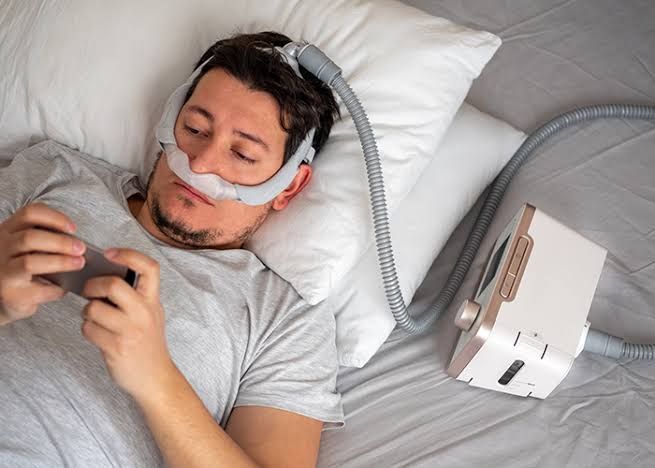
Quick Answer: Yes, airway therapy can lead to nasal dryness, which frequently initiates a cpap nosebleed. The short answer is that pressurized, dry air stripped of its natural moisture irritates and cracks the delicate mucosal lining of your nasal passages. However, to choose the right supportive recovery tracking and comfort solutions, you need to understand how the pressurized system interacts with your body’s physiology.
When you utilize a sleep therapy system to manage an obstructive sleep apnea guide, pressurized air is pushed continuously into your respiratory tract. Under normal circumstances, your nose acts as a natural heater and humidifier, moistening the air you breathe before it reaches your lungs. However, the high volume and velocity of air delivered by a CPAP machine can easily overwhelm your nasal passages’ natural humidification capacity.
The continuous flow of air strips away the thin, protective layer of mucus inside your nostrils. As the nasal mucosa dries out, it becomes inflamed, tight, and highly fragile. Beneath this delicate mucosal surface lies a dense network of tiny, superficial blood vessels known as Kiesselbach’s plexus. When the tissue cracks due to extreme dryness, these blood vessels are exposed and easily rupture, causing a cpap nosebleed.
For many individuals, this creates a frustrating cycle of sleep disruption. You might fall asleep holding onto a positive mindset, only to experience a sudden 3 AM awakening. Gasping for air, you realize your nose is dry, irritated, or actively bleeding. This sudden awakening triggers an immediate spike in your heart rate and a surge of cortisol. Your mind begins racing with frustration, making it incredibly difficult to fall back asleep. This disruption directly impacts your deep sleep stages, leaving you with severe morning brain fog the next day.
How Do I Know if My Airway Therapy is Causing the Bleeding?
If you experience spotting or nosebleeds primarily upon waking or during the middle of the night—accompanied by a sensation of burning, itching, or congestion inside your nostrils—your machine’s air settings are likely the culprit. If the bleeding is severe, persistent, or accompanied by dizziness, it is vital to consult a healthcare provider to rule out underlying issues like high blood pressure or clotting irregularities.
Frequently Asked Questions About CPAP and Nose Bleeds
Does cpap cause nose bleeds during certain seasons?
Yes. Many users find that dry winter weather combined with indoor heating significantly increases the frequency of a cpap nosebleed. During colder months, the ambient air contains less moisture, requiring your machine’s humidifier to work much harder to keep your airways comfortable.
Can cpap cause nose bleeds if the mask fits poorly?
Absolutely. If your mask does not seal properly, air can escape. This air leak often blows directly across your nose or into your eyes, rapidly drying out the adjacent tissues and causing localized irritation that can lead to bleeding.
What is the connection between cpap and nose bleeds when mouth breathing?
If you use a nasal mask but open your mouth during sleep, the pressurized air rushes in through your nose and straight out of your mouth. This continuous, unidirectional wind tunnel effect severely dehydrates the nasal passages, rapidly inducing a cpap nosebleed. Addressing mouth breathing during sleep with a chin strap or full-face mask is often a key step in resolving this.
Should I stop using my therapy if my nose bleeds?
You should not discontinue your airway therapy without consulting your doctor, as untreated sleep apnea carries significant cardiovascular risks. Instead, focus on adjusting your humidification settings, maintaining proper mask fit, and tracking your physical recovery metrics to ensure your body is coping well with the adjustments.
Practical Tips to Prevent Nasal Dryness and Bleeding During Sleep Therapy
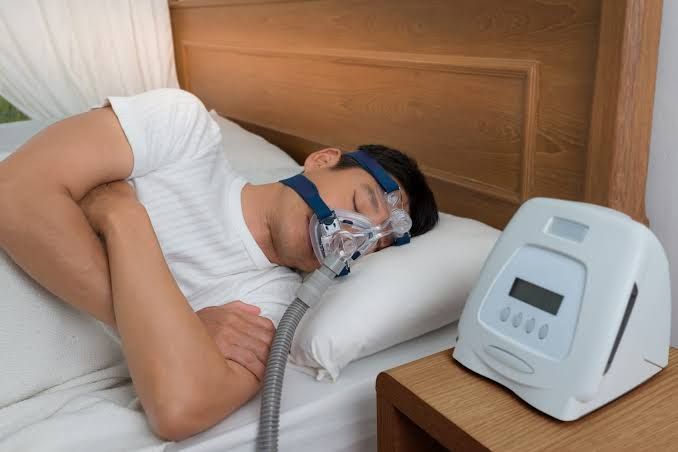
If you are battling a recurring cpap nosebleed, implementing a targeted, multi-step prevention plan can drastically improve both your comfort and your sleep quality. Below are the most effective, clinically supported adjustments we recommend to protect your nasal lining.
1. Optimize Your Heated Humidifier Settings
Most modern sleep therapy devices come equipped with a built-in heated humidifier. If your nose feels dry or is actively bleeding, your current humidity setting is likely too low. Increase the humidity level gradually over several nights. Additionally, using heated tubing can prevent “rainout” (condensation building up inside the tube), allowing the machine to deliver a consistent, warm, moist stream of air directly to your nose.
2. Apply a Water-Based Nasal Moisturizer
Before putting on your mask at night, apply a thin layer of a water-based nasal gel or saline ointment just inside your nostrils. This provides a physical moisture barrier that protects the tissue from high-velocity airflow. Important safety note: Avoid using petroleum-based products (such as petroleum jelly) inside your nose, as inhaling petroleum particles over time can lead to lung irritation.
3. Ensure an Exact Mask Fit
An improperly fitting mask can slide during the night, breaking the seal and creating micro-leaks. These leaks pull moisture away from your skin and nose. Make sure to adjust your headgear while lying down, as your facial structure shifts when you are in a horizontal position. If you use nasal pillows and experience constant irritation, consider switching to a nasal cradle or a full-face mask to distribute the air pressure more evenly.
— Team Mind Body Dan
4. Integrate Proper Sleep Hygiene Practices
To help your body cope with the physical demands of sleep therapy, focus on supporting your overall recovery environment. Incorporating basic sleep hygiene tips—such as keeping your bedroom cool, clean, and completely screen-free—helps prime your nervous system for deeper, uninterrupted sleep cycles. Removing screens from the bedroom is especially powerful, as blue light suppresses melatonin production, making it harder to fall back asleep if a dry nose wakes you up.
How Screening Your Recovery Insights Transforms Your Sleep Journey

When adjusting humidification settings to resolve a cpap nosebleed, how do you know if your body is truly recovering? Many wellness enthusiasts find themselves overwhelmed by hard-to-read health charts, yet they still feel exhausted and struggle to pinpoint the cause.
To understand if your sleep quality is improving, you must look beyond basic step counts. True sleep restoration is written in your autonomic nervous system, specifically measured through heart rate variability (HRV). HRV represents the tiny variations in time between consecutive heartbeats. A higher night-time HRV indicates that your parasympathetic (rest-and-digest) system is dominant, allowing your body to recover deeply. Conversely, when physical stress—like dry, irritated airways or mid-night awakenings—disrupts your breathing, your HRV drops, signaling that your body remains in a stressed, sympathetic state.
Many individuals try to track these shifts using traditional smartwatches. However, these devices can be bulky, uncomfortable to sleep in, and require annoying daily charging. Bright smartwatch screens lit up by a sudden movement in the dark can also disrupt your natural screen-free sleeping habits, compounding your sleep struggles.
Meet the Screen-Free Alternative
The Herz P1 Smart Ring offers an elegant, lightweight solution for those who want medical-grade biometric insights without the distractions of a screen or the burden of monthly subscription fees. Crafted from ultra-lightweight titanium, it slides comfortably onto your finger and tracks your biometrics effortlessly while you sleep.
- Comprehensive Sleep Stage Analysis: Monitor your deep, REM, and light sleep phases to see exactly how airway comfort levels impact your sleep architecture.
- Heart Rate Variability Metrics: Understand how your autonomic nervous system responds to physical recovery, tracking your physiological response to mask and climate adjustments.
- Simple, Daily Recovery Score: Translates complex biometric algorithms into one clear, actionable daily personalized recovery score, helping you make data-informed lifestyle choices without information overload.
- Zero Monthly Fees: Buy it once and own your data forever. No hidden paywalls, subscription models, or unexpected extra fees.
By using a screen-free ring, you can easily correlate changes in your sleep therapy settings with your actual, physiological recovery. For example, if you increase your CPAP’s humidity level and notice a corresponding rise in your night-time HRV and deep sleep duration, you have objective, data-informed proof that your comfort adjustments are working. This lets you step away from guesswork, reclaim control over your sleep hygiene, and confidently steps towards waking up energized and clear-headed.
Protecting your nasal passages from dryness is not just about avoiding a temporary nosebleed—it is about protecting the sanctity of your night-time rest. With the right humidification, a secure mask fit, and a reliable, distraction-free tracker on your finger, you can put an end to midnight interruptions and finally achieve the deep, healing sleep your body deserves.
Disclaimer: Results may vary depending on individual physical activity levels, unique health conditions, and daily tracking patterns. This content is intended for informational and educational purposes only and does not constitute medical advice. Always consult with a qualified healthcare professional before making changes to your medical equipment, therapy settings, or sleep routines.
