

Whoop Band Review: Is It Good for Sleep Tracking and Daily Recovery?
Struggling to sleep and waking up at 3 AM with a racing mind, only to face heavy brain fog and exhaustion the next morning, is a frustrating cycle. In this detailed whoop band review, our team explores whether this popular tracker can help you understand your body’s signals. If you want subscription-free, screen-free tracking, the Herz P1 Smart Ring offers a lightweight, elegant alternative.
Take Back Your Sleep.
Take Back Your Life.
- Fall asleep faster & sleep deeper
- Stop waking up in the middle of the night
- Wake up refreshed & full of energy
- Discover the core metrics: what does the whoop track and how does it help recovery?
- Learn how the daily strain metric and sleep coaching features operate in this detailed whoop band review.
- Unpack the ongoing monthly subscription costs that deter many casual wellness seekers.
- Explore why comfortable, screen-free alternatives like the Herz P1 Smart Ring are gaining massive popularity.
Is Whoop Worth It? A Honest Look At Daily Usability
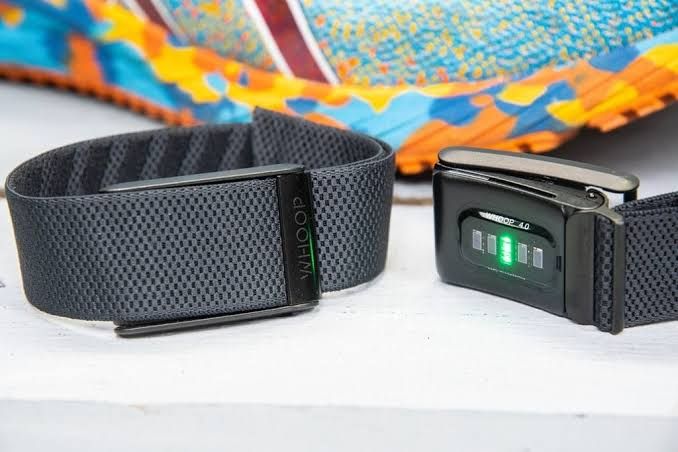
When you start researching fitness trackers, you will quickly find that the Whoop 4.0 is highly praised by elite athletes and biohackers alike. But for the everyday user struggling with non-restorative sleep, is a dedicated whoop band review going to show that this device is practical? Let us break down what this wearable actually offers and how it fits into your daily routine.
First, it is important to understand: what does a whoop do? Unlike a standard smartwatch, Whoop does not have a screen, does not send you distracting text notifications, and does not tell the time. It is designed to sit quietly on your wrist, collecting physiological data 24/7. It then sends this data to a comprehensive mobile app, which categorizes your health trends into three distinct buckets: Sleep, Recovery, and Strain. We designed this whoop band review to look at whether this focus on recovery can help you reclaim your energy.
| Evaluation Criteria | Whoop 4.0 Performance | Rating (out of 5) |
|---|---|---|
| Sleep Tracking Accuracy | Highly detailed sleep stages & HRV monitoring. | 4.5 / 5 |
| Comfort & Wearability | Fabric strap can feel soggy after showers; bulky on small wrists. | 3.5 / 5 |
| Battery Convenience | Slide-on battery pack is innovative, but needs frequent recharging. | 3.8 / 5 |
| Financial Value | Requires an ongoing subscription; can feel very expensive long-term. | 3.0 / 5 |
When we look at the specific features, we must ask: what does the whoop track on a daily basis? The sensor array on the underside of the band monitors your heart rate, skin temperature, blood oxygen levels, and Heart Rate Variability (HRV). For those wondering, does whoop track sleep automatically? Yes, it is incredibly accurate at identifying the moment you drift off and mapping your transitions between light, deep, and REM sleep cycles.
However, as we discuss in this whoop band review, the physical design comes with clear operational drawbacks. The device is housed in a woven elastic band. While this band is highly customizable, it presents a common hygiene issue. If you wear it in the shower or during a heavy workout, the fabric holds moisture. Staying in a damp band for hours can lead to skin irritation. For users who want a seamless, premium, and dry tracking experience, this design element is often a point of frustration.
The biggest hurdle highlighted in almost every whoop band review is the subscription model. You cannot purchase the device outright; instead, you must pay an ongoing monthly or annual fee. Over two years, this means spending over $480 just to access your own biometric data. This ongoing subscription fatigue is why many wellness enthusiasts are pivoting to subscription-free devices like the Herz P1 Smart Ring, where you buy the hardware once and own your metrics forever.
For individuals who are highly focused on intense athletic training, the Whoop’s complex strain metrics are highly valuable. But if your primary goal is to address morning fatigue, conquer brain fog, and build simple, health-promoting sleep habits, the excessive data can feel overwhelming. Many users report checking the app only to feel anxious about complex charts, which ironically worsens their sleep patterns. This finding is a crucial takeaway in our whoop band review.
The Science of Biometrics: How Does Whoop Track Sleep and Recovery?

To really appreciate the data behind a whoop band review, we have to look closely at the biometric algorithms. Your body communicates its level of stress and recovery constantly. It does this primarily through Heart Rate Variability (HRV), which is the microscopic variation in time between consecutive heartbeats. This metric, monitored meticulously during deep sleep, is the foundation of daily recovery calculations.
Let’s answer a common physiological question: does whoop track sleep accurately enough to reflect your actual recovery? The answer lies in how it parses sleep stages. During the night, your body cycles through three primary stages:
- Light Sleep: Serves as the transition phase, helping your body wind down.
- Deep Sleep: The physically restorative stage where muscles repair, growth hormone is released, and your immune system rebuilds.
- REM (Rapid Eye Movement) Sleep: The mentally restorative stage where your brain processes emotions, consolidate memories, and clears out the cellular debris that contributes to daytime brain fog.
When analyzing these stages, a quality tracker is invaluable. For example, as we point out in this whoop band review, if you wake up with a heavy mind, it is often because your REM sleep was interrupted by stress, screen exposure, or late-night eating. By examining the correlations between your daytime habits and nighttime cycles, you can start making data-informed adjustments to your routine.
However, understanding what does a whoop do with this information is where some users run into a knowledge gap. Whoop processes these complex signals to give you a single “Recovery Score” from 0% to 100%. If your HRV is high and your resting heart rate is low, you will get a green score. If your body is struggling to cope with stress, your score will drop into the yellow or red zones.
While this is incredibly helpful, some people do not want to wear a fabric band on their wrist all day and night. For those who find wrist-based trackers bulky or uncomfortable to sleep in, a lightweight titanium smart ring is often a much more natural fit. It sits on your finger, completely out of mind, while tracking these exact same clinical-grade metrics.
Discover a Streamlined Path to Recovery
You don’t need complex charts, wet fabric straps, or expensive monthly subscriptions to take control of your sleep. If you are looking for an elegant, screen-free tracking experience that translates your body’s biometric signals into simple, actionable daily metrics, the Herz P1 Smart Ring is designed for you.
Furthermore, as highlighted in this whoop band review, the physical comfort of a tracker directly impacts the quality of your sleep tracking. If a device is too tight, too bulky, or gets caught on your blankets when you toss and turn, it can trigger the very awakenings you are trying to avoid. True non-restorative sleep recovery begins with a device that feels like a natural extension of your body.
What Does the Whoop Track Compared to Screen-Free Smart Rings?
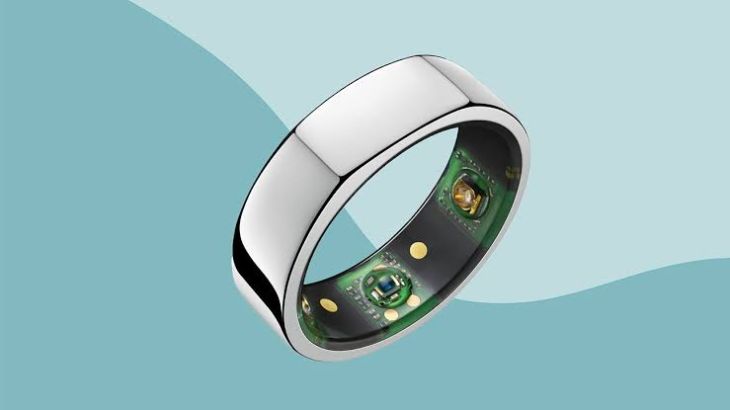
To help you make an informed decision, let’s do a side-by-side comparison of different tracking philosophies. When we ask: what does the whoop track compared to a modern smart ring like the Herz P1? We find that both devices look closely at key metrics like resting heart rate, active calories, sleep stages, and heart rate variability.
However, the form factor changes how you interact with this data on a daily basis. Let’s look at the lifestyle footprint of each option:
- The Wristband Approach (Whoop): Sits on the wrist, uses a fabric strap that holds moisture, and requires a sliding battery pack to charge. While it does not have a screen, its sporty, utilitarian look may not match formal attire or business wear.
- The Ring Approach (Herz P1): Sits elegantly on your finger. Crafted from ultra-lightweight titanium, it is entirely waterproof, hypoallergenic, and scratch-resistant. It blends seamlessly with any outfit and is so light you quickly forget you are wearing it.
In this whoop band review, we also want to address the psychology of sleep hygiene. One of the best ways to quiet a racing mind before bed is to limit your exposure to blue light. Devices with bright, glowing screens can disrupt your natural melatonin production. This is why both Whoop and the Herz P1 Smart Ring are designed to be completely screen-free. They let you gather valuable insights without the temptation of checking notifications in the middle of the night.
— Sarah M., Active Professional & Sleep Enthusiast
Another major difference is charging convenience. Whoop utilizes a slide-on battery pack that you must charge separately and slide onto the wristband. While this means you don’t have to take the tracker off, the battery pack itself is bulky and easy to misplace. On the other hand, a smart ring typically charges on a sleek, compact desktop cradle and offers exceptional battery life, making it much easier to fit into a busy schedule.
Ultimately, as emphasized in this whoop band review, your choice comes down to your personal health goals. If you are an elite athlete training for a marathon and need to track intense cardiovascular strain, the Whoop is a highly capable tool. But if you are a busy professional looking to optimize your recovery, understand your sleep quality, and manage daily stress without subscription fees or wrist discomfort, the Herz P1 Smart Ring is a highly compelling, subscription-free alternative.
When you take back control of your sleep, you take back control of your energy, your focus, and your overall well-being. By choosing a tracking method that fits seamlessly into your lifestyle, you can start making simple, sustainable improvements to your health every single day.
Disclaimer: Results may vary depending on individual physical activity levels, unique health conditions, and daily tracking patterns. This content is for educational and informational purposes only and is not intended to diagnose, treat, or cure any health conditions. Always consult with a qualified healthcare professional before making significant changes to your sleep, exercise, or lifestyle habits.
