

What Does CPAP Stand For? The Medical Definition, Benefits, and Modern Sleep Recovery Insights
Struggling with non-restorative sleep and wondering what does cpap stand for? This life-saving medical acronym represents the gold standard for treating obstructive sleep apnea. Yet, optimizing your sleep stages and heart rate variability (HRV) requires daily, lightweight tracking. Discover the true cpap meaning and how screen-free wearable technology like the Herz P1 Smart Ring monitors your recovery naturally.
Take Back Your Sleep.
Take Back Your Life.
- Fall asleep faster & sleep deeper
- Stop waking up in the middle of the night
- Wake up refreshed & full of energy
What Does CPAP Stand For? The Complete Medical Definition
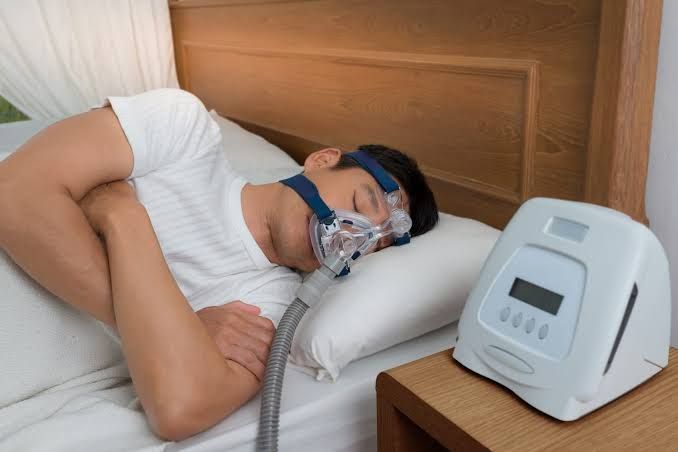
Quick Answer: Yes, understanding what does cpap stand for is essential if you experience chronic fatigue or nighttime disruptions. The short answer is: CPAP stands for Continuous Positive Airway Pressure. However, to choose the right sleep therapy product or recovery strategy, you must understand how physical airway resistance, sleep stage architecture, and daily biometric tracking intersect to resolve your chronic physical exhaustion.
To truly understand what does cpap stand for, we must look into the mechanics of breathing during sleep. In clinical terms, the cpap acronym medical definition describes a therapy that uses mild, continuous air pressure to keep the airways constantly open in patients who are unable to breathe spontaneously or who suffer from obstructive sleep apnea (OSA).
When you sleep, your upper airway muscles relax. For many, this relaxation is harmless. But for individuals dealing with obstructive sleep apnea, these tissues collapse completely, blocking the flow of oxygen to the lungs. This physical obstruction leads to a cascade of physiological crises: blood oxygen saturation drops, the sympathetic nervous system triggers a panic response, and stress hormones flood the bloodstream.
This is where understanding what does cpap stand for becomes vital. A CPAP machine acts as a “pneumatic splint.” By delivering a constant, predetermined stream of pressurized air through a flexible hose and into a sealed mask, it gently pushes past the collapsing soft tissues of your throat, keeping the airway completely clear.
— Team Mind Body Dan
Without this continuous flow, sleep becomes a battleground of micro-arousals. You might sleep for eight hours on paper, but your brain wakes up dozens of times an hour to gasp for air. This leaves you with a heavy morning fog, a persistent headache, and an unexplained sense of physical exhaustion that no amount of coffee can fix. Knowing what does cpap stand for is the first step toward reclaiming your cognitive performance and protecting your heart.
When to Use (and When Not to Use) CPAP Therapy
If you suspect you are dealing with clinical sleep apnea, it helps to look beyond the basic query of what does cpap stand for and examine your actual physiological patterns.
- When to use CPAP: It is highly recommended for individuals formally diagnosed with moderate-to-severe Obstructive Sleep Apnea (OSA) or Central Sleep Apnea. Common symptoms include loud, habitual snoring, witnessed gasping or choking episodes at night, severe daytime sleepiness, and a high Apnea-Hypopnea Index (AHI) documented during a clinical sleep study.
- When to look for other solutions: If your fatigue is driven by primary insomnia, everyday lifestyle stress, a racing mind, or poor sleep hygiene, a CPAP machine is not the correct solution. In these cases, focus on optimizing your circadian rhythm, improving your sleep environment, and tracking your metrics naturally.
If you fall into the category of seeking better sleep without needing clinical respiratory intervention, your path forward is simple: you must track your recovery. While CPAP therapy physically opens the airway, daily recovery relies on optimizing your sleep stages.
This is where modern wearable technology comes in. Instead of heavy, clinical, and uncomfortable gear, wellness seekers are turning to screen-free biometric monitors. The Herz P1 Smart Ring offers an elegant, titanium, screen-free solution that measures sleep metrics without the disruption of a glowing watch face or a bulky mask.
Whether you use a clinical device or not, understanding your sleep architecture is critical. By monitoring your HRV, Resting Heart Rate, and sleep cycles, you can determine if your sleep is truly restorative. The Herz P1 Smart Ring helps you move beyond simply knowing what does cpap stand for to actually tracking your physical recovery with medical-grade biometric accuracy—all with no monthly subscription fees.
Frequently Asked Questions About CPAP
Q: What does the CPAP acronym medical stand for in daily practice?
A: It stands for Continuous Positive Airway Pressure. In practice, it means using a motorized device to deliver constant air pressure to prevent airway collapse, helping you maintain stable breathing patterns throughout the night.
Q: Is CPAP therapy difficult to get used to?
A: Yes, many individuals experience an adjustment period. Finding the right mask, adapting to the feeling of pressurized air, and overcoming minor claustrophobia can take several weeks of dedicated use.
Q: Can I monitor my sleep patterns without a heavy clinical setup?
A: Absolutely. If you do not require clinical respiratory support but want to optimize your sleep quality, tracking your metrics with a lightweight smart ring is an excellent, non-invasive alternative.
CPAP vs. BiPAP: Airway Pressure Support and Autonomic Recovery

When exploring cpap stands for, you will likely encounter another common acronym: BiPAP. While understanding what does cpap stand for introduces you to single, continuous pressure, BiPAP stands for Bilevel Positive Airway Pressure.
The core mechanical difference lies in how the air pressure is delivered. While a CPAP machine keeps a single, fixed pressure during both inhalation and exhalation, a BiPAP machine utilizes two distinct pressures: a higher pressure for inhalation (IPAP) and a lower pressure for exhalation (EPAP).
For individuals who research what does cpap stand for to address loud snoring or severe airway collapse, exhaling against a continuous wall of incoming pressurized air can feel incredibly difficult. It can trigger a mild feelings of panic, preventing the transition into deeper sleep cycles. BiPAP solves this operational issue by dropping the pressure the moment you begin to exhale, making the breathing cycle feel much more natural.
But how do these airway therapies affect your biometric markers? When breathing is interrupted, your body experiences recurrent drops in blood oxygen levels, known as intermittent hypoxia. This triggers the sympathetic nervous system—your “fight or flight” response. Your resting heart rate spikes, and your heart rate variability (HRV) drops significantly.
By stabilizing the airway using CPAP or BiPAP therapy, the autonomic nervous system is allowed to settle. This shift supports parasympathetic dominance, which is crucial for entering restorative sleep stages.
Understanding HRV and Sleep Quality
A high Heart Rate Variability (HRV) indicates a highly responsive, well-rested autonomic nervous system. Frequent nighttime airway obstructions suppress your HRV, keeping you in a state of chronic, low-grade physical stress. Tracking this metric daily is essential to understanding your recovery.
Without stabilizing these parameters, your body misses out on vital recovery processes:
- Deep Sleep Deprivation: Deep sleep is when cellular repair, muscle recovery, and tissue rebuilding occur. Airway interruptions constantly wake you from this stage, keeping you physically weak and chronically fatigued.
- REM Sleep Fragmentation: REM sleep is responsible for cognitive consolidation, emotional processing, and memory. Lacking REM sleep leads to severe brain fog, irritability, and a lack of focus.
For those who research what does cpap stand for to find relief from non-restorative sleep, monitoring these sleep cycles is essential. Modern wearable technology makes this easier than ever. Devices like the Herz P1 Smart Ring offer comprehensive sleep stage monitoring to help you track REM, Deep, and Light sleep stages accurately without requiring complex medical equipment.
Transitioning to Screen-Free Recovery: How to Track Your Rest Elegantly
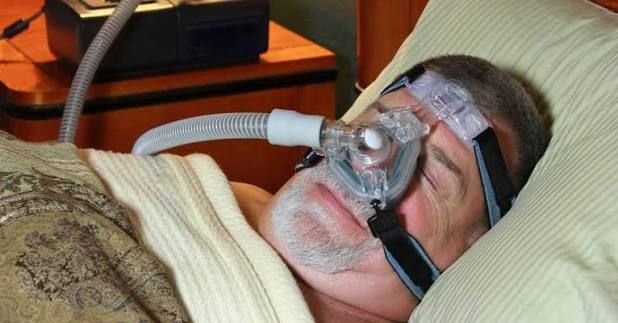
While clinical treatments are indispensable for diagnosed airway disorders, general sleep optimization can be managed through daily tracking and healthy sleep hygiene.
A common issue among modern health enthusiasts is “screen fatigue” and the discomfort of bulky smartwatches. Wearing a heavy, glowing watch to bed can actually disrupt your sleep. The screen lights up with notifications, the physical bulk makes it uncomfortable to rest your hand naturally, and the constant need to charge the device on a daily basis leads to tracking gaps.
This is why screen-free sleep tracking is a game-changer for recovery. Instead of a distracting screen on your wrist, a lightweight smart ring worn on your finger monitors your vitals silently, allowing you to focus on your rest.
If you are looking up what does cpap stand for because of daytime fatigue, tracking your daily recovery metrics can offer invaluable insights. This is where the **Herz P1 Smart Ring** stands out:
- Premium Titanium Design: Crafted from ultra-lightweight, durable titanium, the ring is incredibly comfortable to wear all night long, with no bulky weight or skin irritation.
- Screen-Free Simplicity: No glowing displays or late-night notifications to wake your brain or disrupt your circadian rhythm.
- Subscription-Free Model: Unlike other smart rings that charge heavy monthly fees to access your own sleep metrics, the Herz P1 is buy-once-and-own-forever. All data, trends, and scores are permanently free to access.
- Intelligent Recovery Score: The ring converts complex biometric algorithms—including heart rate variability analytics, resting heart rate, and sleep stages—into an intuitive, simple daily Recovery Score that helps you plan your day with confidence.
- Long-Lasting Battery: Say goodbye to the annoyance of daily charging. The Herz P1 keeps tracking your sleep and recovery for days on a single charge.
Instead of feeling overwhelmed by confusing medical terms or complex graphs, the smart ring translates your daily biometrics into simple, actionable insights. By tracking your trends over time, you can see exactly how lifestyle adjustments—such as avoiding screens before bed, skipping late-night alcohol, or managing stress—improve your recovery.
The journey that begins with asking what does cpap stand for often leads to a deeper realization: sleep quality is the foundation of our physical and mental energy. By understanding the tools available to support your breathing, alongside modern, elegant ways to track your biometric trends, you can take control of your sleep and wake up refreshed and energized every single day.
Improving your sleep is a holistic process. By establishing a consistent schedule, optimizing your bedroom environment, and monitoring your body’s recovery metrics through sleep recovery tracking, you can break the cycle of non-restorative rest and reclaim your daily physical vitality.
Disclaimer: Results may vary depending on individual physical activity levels, unique health conditions, and daily tracking patterns. The content provided on Mind Body Dan is for informational and educational purposes only and should not be construed as clinical medical advice. The Herz P1 Smart Ring is a wellness product designed to track physical trends and biometrics; it is not a medical device and is not intended to treat, diagnose, or monitor clinical health conditions such as sleep apnea.
