

5 Best Pillows for Side Sleepers to Support Your Neck and Shoulders
Are you struggling with non-restorative sleep, waking up with a stiff neck, or tossing and turning at 3 AM? For side sleepers, physical misalignment is often the silent culprit behind restless nights. Finding the best pillow for side sleepers restores proper spinal alignment, while screen-free biometric tracking with the Herz P1 Smart Ring lets you visually monitor how this simple adjustment transforms your daily recovery.
Take Back Your Sleep.
Take Back Your Life.
- Fall asleep faster & sleep deeper
- Stop waking up in the middle of the night
- Wake up refreshed & full of energy
Key Article Highlights:
- Discover why standard pillows fail side sleepers and how targeted neck support reduces physical tension.
- Learn how to evaluate the ideal loft, shape, and density for your unique body structure.
- Explore how physical sleep posture directly impacts sleep stages, Heart Rate Variability (HRV), and autonomic nervous system balance.
- Discover a screen-free, subscription-free tracking method to objectively measure your physical recovery.
Table of Contents
1. Selecting the Best Pillow for Side Sleepers & Core Recommendations
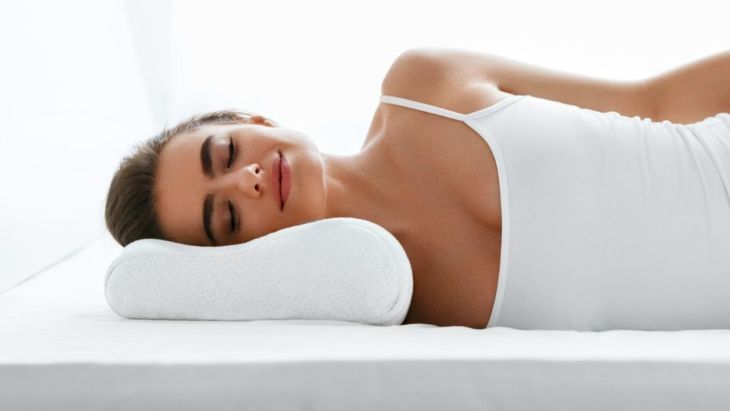
Side sleeping is highly recommended for respiratory health and digestive function, yet it places unique structural demands on your spine. When you lie on your side, a wide gap is created between your ear and the outer edge of your shoulder. If this space is not adequately filled, your head will tilt downward, compressing your lower shoulder and overstretching the muscle groups along the opposite side of your neck. Over time, this leads to chronic tension, morning stiffness, and fragmented rest. Finding the best pillow for side sleepers to support your neck and shoulders is crucial to maintaining a neutral spine throughout the night.
At Team Mind Body Dan, we apply rigorous selection criteria when testing and recommending sleep products. We focus on four pillars: height suitability (loft), material density, pressure-point relief, and long-term structural integrity. Below, we break down the leading options that help side sleepers bridge this physical gap, alongside an innovative recovery tracking tool that measures whether these ergonomic improvements are actually translating into deep, restorative physiological recovery.
| Product Name | Primary Focus | Loft & Material | Best For |
|---|---|---|---|
| Ergonomic Contour Foam Pillow | Orthopedic alignment | Medium loft, molded memory foam | Chronic neck pain & joint pressure |
| Adjustable High-Loft Pillow | Customizable height | High loft, shredded memory foam | Broad shoulders & shifting postures |
| Herz P1 Smart Ring | Biometric Recovery Tracking | Screen-Free Titanium Ring | Tracking sleep quality & physical recovery |
| Natural Talalay Latex Pillow | Responsive buoyancy | Medium-high loft, solid natural latex | Hot sleepers wanting responsive support |
| Cooling Gel Orthopedic Pillow | Temperature regulation | Contoured gel-infused foam | Side sleepers suffering from night sweats |
Option 1: The Ergonomic Contour Foam Pillow
If you consistently wake up with neck soreness, a contour pillow for side sleepers represents a major upgrade over traditional designs. This option features a dual-wave contour shape specifically engineered to cup the skull while cradling the cervical spine. By filling the shoulder void precisely, it maintains a neutral posture from your head to your thoracic vertebrae.
- Strengths: Outstanding cervical support; keeps its shape throughout the night without flattening. Highly effective orthopedic pillow for side sleepers seeking to relieve pressure points on the shoulder joint.
- Weaknesses: Solid memory foam can retain heat, and the fixed height shape is not adjustable.
- Ideal For: Side sleepers with a fixed shoulder width who prefer structured, solid orthopedic alignment.
Option 2: The Adjustable High-Loft Shredded Memory Foam Pillow
Broad-shouldered side sleepers often find that standard pillows collapse too quickly under weight, leading to shoulder compression and neck strain. This customizable design relies on shredded foam fill, allowing you to add or remove material to achieve the perfect elevation. It serves as one of the most reliable high loft pillows for side sleepers who need a thicker cushion to keep their spine straight.
- Strengths: Complete control over loft height; shredded foam allows for better airflow than solid blocks.
- Weaknesses: Requires manual adjustment and occasional fluffing to keep the fill evenly distributed.
- Ideal For: Sleepers with broader shoulders or those who alternate between pure side sleeping and slight back-angle sleeping.
Option 3: The Herz P1 Smart Ring (Premium Biometric Recovery Tracker)
Even the most comfortable bedding cannot fix sleep quality on its own. How do you actually know if your new orthopedic pillow for side sleepers is reducing physical stress and improving your deep rest? The Herz P1 Smart Ring provides the objective feedback you need. By wearing this ultra-lightweight titanium ring, you can track key biometric markers—including Sleep Stages (REM, Deep, Light), Heart Rate Variability (HRV), and your Daily Activity levels—to view a clear, personalized Recovery Score every morning.
What makes the Herz P1 Smart Ring so unique is its completely screen-free, minimalist design. Unlike heavy smartwatches that require daily charging, disturb you with blue light notifications, or feel bulky on your wrist during sleep, this elegant titanium ring slips comfortably onto your finger and tracks your biometrics without distraction. Best of all, it features a subscription-free model—you buy the ring once and enjoy full lifetime access to your detailed health trends without hidden monthly fees.
- Strengths: Screen-free titanium build prevents nighttime sleep disruptions; tracks medical-grade biometrics (HRV, Sleep Stages); long battery life; entirely subscription-free with no monthly costs.
- Weaknesses: Does not display real-time metrics on the ring itself (data is synced directly to the accompanying mobile app).
- Ideal For: Sleepers who want to track how changes in their physical alignment and sleep environment impact their physiological recovery, without the bulk and subscription costs of a smartwatch.
Option 4: The Natural Talalay Latex Pillow
If you dislike the “sinking” sensation of traditional memory foam, natural latex offers a highly responsive, buoyant alternative. Solid latex quickly springs back to shape as you move, keeping your head elevated and aligned. It works beautifully as a high-quality best pillow for side sleepers who need a balance of elevation and springy pressure relief.
- Strengths: Exceptionally breathable; resistant to dust mites; provides instant pressure relief without contour lag.
- Weaknesses: Tends to be heavier than foam alternatives and has a rubber-like scent when first unpacked.
- Ideal For: Hot sleepers who prefer a responsive cushion that makes shifting positions effortless.
Option 5: The Cooling Gel Orthopedic Support Pillow
For those who experience night sweats alongside shoulder tension, heat-regulating materials are essential. This contoured model combines a highly dense support base with a thick gel phase layer designed to draw heat away from your face and neck. It is a highly effective orthopedic pillow for side sleepers looking to optimize thermal comfort.
- Strengths: Cool-to-the-touch surface layer; excellent neck contouring that keeps the cervical spine aligned.
- Weaknesses: The cooling gel effect can diminish slightly under heavy pillowcases or over hours of continuous contact.
- Ideal For: Side sleepers who struggle with body heat retention and prefer a structured, contoured sleep surface.
Buying Guide & Quick Summary Recommendations:
- For Targeted Orthopedic Pain Relief: Select the Ergonomic Contour Foam Pillow. Its sculpted waves keep the head and neck in a neutral posture.
- For Customizable Fit: Opt for the Adjustable High-Loft Shredded Memory Foam Pillow, allowing you to tailor the height to your shoulder width.
- For Tracking Real-World Sleep Progress: Pair your bedding setup with the Herz P1 Smart Ring. Its screen-free design and precise tracking of HRV and Sleep Stages show you exactly how your alignment adjustments translate into better overall rest.
2. Understanding the Biomechanics of Side Sleeping & Restorative Recovery
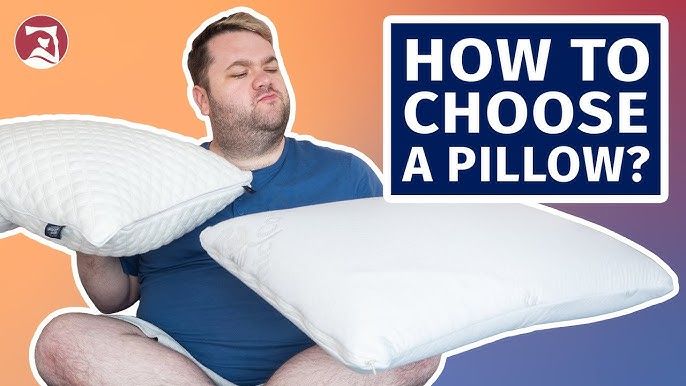
To understand why a specialized pillow is so critical, let’s explore the biomechanics of side sleeping. When you sleep on your side, your shoulders bear a significant portion of your upper body weight. If your cushion is too soft or thin, your head sinks too low, pinching the nerves in your neck and compressing your shoulder joint. Conversely, if your pillow is too firm or tall, your head is forced upward, causing muscle strain along the opposite side of your neck.
This continuous physical stress does more than cause morning stiffness—it acts as a physical stressor that disrupts your autonomic nervous system. When your neck muscles are strained, your body struggles to transition into deep, restorative sleep. This physiological discomfort triggers minor, unconscious awakenings (micro-arousals). You might not fully wake up, but these frequent shifts push you out of deep and REM sleep stages and back into light sleep. This disruption directly impacts your cardiovascular recovery and overall wellness.
The Role of Key Biometric Metrics in Sleep Recovery:
- Sleep Stages (REM vs. Deep Sleep): Deep sleep is when your body repairs muscle tissue and relieves physical strain. REM sleep is essential for memory consolidation and mental clarity. An unsupportive contour pillow for side sleepers can cause subtle movements that disrupt these critical stages.
- Heart Rate Variability (HRV): HRV measures the variation in time between consecutive heartbeats and is a key indicator of autonomic nervous system balance. A higher HRV indicates that your body is relaxed, rested, and recovering well. A lower HRV suggests your nervous system is dealing with physical stress, often caused by muscle tension or poor sleep posture.
- Daily Recovery Score: This comprehensive metric combines your resting heart rate, HRV, and sleep trends to provide a clear picture of your physical readiness. Tracking this score helps you see exactly how changes to your sleep setup, like switching to high-quality high loft pillows for side sleepers, improve your overall recovery.
Many people try to fix morning exhaustion by changing their daytime habits, such as drinking more caffeine or adjusting their workouts. However, the root cause is often simpler: physical stress from poor nighttime alignment. By investing in an orthopedic pillow for side sleepers, you address the structural misalignment at the source. This physical correction helps your body relax, facilitating smoother transitions into deep, restorative sleep stages and encouraging a healthier, higher HRV trend.
— Team Mind Body Dan
Using a high-quality best pillow for side sleepers to support your neck and shoulders helps ensure that your muscle groups can fully relax. When your cervical spine is aligned, your blood circulation improves, pressure on your shoulder joints is reduced, and your nervous system can transition from a state of physical tension to a state of deep, restorative rest. This structural support is the foundation of quality sleep.
3. Bridging the Gap: Screen-Free Tracking for Deep, Restorative Sleep

In our pursuit of better sleep, it is easy to focus solely on physical bedding. However, physical comfort is only half of the equation. To truly optimize your rest, you need a way to track how your body responds to adjustments in your sleep environment. This is where advanced biometric tracking becomes invaluable. Yet, for many, the idea of wearing a bulky, glowing smartwatch to bed is unappealing. Bright screens and buzzing notifications can disrupt your sleep hygiene and pull you out of deep rest.
This operational issue is why many health-conscious individuals are moving away from traditional smartwatches. A heavy device on your wrist can feel restrictive, especially for side sleepers who often rest their head on their hands. Additionally, the constant need to recharge these devices, combined with expensive monthly subscription fees to access your own health data, can lead to frustration and tracking fatigue. Finding a screen-free, lightweight alternative is key to seamless sleep monitoring.
How a Screen-Free Smart Ring Elevates Your Sleep Hygiene
By removing distracting screens and heavy wristbands, you can focus on pure comfort. The Herz P1 Smart Ring offers a lightweight, titanium alternative that sits comfortably on your finger, tracking detailed recovery metrics without flashing lights or disruptive vibrations.
- Minimalist Design: At just 2.5 grams, the titanium band feels virtually weightless, making it perfect for side sleepers.
- Subscription-Free: Enjoy complete access to your sleep stages, HRV, and daily recovery trends with no hidden monthly fees.
- Optimized Sleep Hygiene: Free from screens and notifications, helping you wind down naturally without digital distractions.
By pairing an orthopedic pillow for side sleepers with screen-free tracking, you gain complete visibility into your sleep quality. You can monitor how a new high-loft design impacts your deep sleep stages, watch your HRV trends rise as muscle tension decreases, and see your daily recovery score improve. This data-informed approach takes the guesswork out of your wellness routine, allowing you to make adjustments that yield real, measurable results.
If you are ready to reclaim your physical and mental energy, focusing on both physical alignment and sleep tracking is a great place to start. Choosing the right support, such as the best pillow for side sleepers, helps resolve physical strain, while a minimalist tracking tool like the Herz P1 Smart Ring provides the insights you need to optimize your nightly recovery. Together, they offer a comprehensive, science-backed approach to achieving deep, restorative sleep.
