

What Side Should I Sleep On with a Ruptured Eardrum? An Orthopedic and Biometric Sleep Guide
Waking up at 3 AM with a racing mind, throbbing ear pressure, and a sense of complete exhaustion is a frustrating reality for anyone dealing with middle ear trauma. If you are struggling to find rest, we explain what side should i sleep on with a ruptured eardrum to ease discomfort, while optimizing your sleep cycles and monitoring systemic recovery metrics.
Take Back Your Sleep.
Take Back Your Life.
- Fall asleep faster & sleep deeper
- Stop waking up in the middle of the night
- Wake up refreshed & full of energy
Article Highlights:
- The Golden Rule: Always sleep on the unaffected ear or your back to prevent pressure spikes and promote middle ear drainage.
- Biomechanics Explained: Discover how side-sleeping on an injured ear traps moisture and compromises the Eustachian tube.
- Biometric Insights: Learn how physical pain triggers micro-arousals, disrupting critical REM and Deep sleep cycles.
- Screen-Free Tracking: How a premium, subscription-free smart ring helps you monitor your autonomic recovery trends without bulky watch screens.
Choosing the Right Side: The Biomechanics of Sleeping with a Ruptured Eardrum

Quick Answer
Yes, the choice of sleeping side is critical for your recovery. The short answer is: you must sleep on your unaffected (healthy) side or flat on your back with slight head elevation. However, to choose the right daily adjustments and support your body’s healing mechanisms, you need to understand how Eustachian tube ventilation, middle ear pressure, and nocturnal physical stressors directly influence your sleep quality.
Why Your Sleep Side Matters
When trying to figure out what side should i sleep on with a ruptured eardrum, physical mechanics must guide your decision. The tympanic membrane (eardrum) acts as a delicate barrier separating your external ear canal from the middle ear cavity. When this membrane is torn or perforated, the internal environment of the ear becomes highly susceptible to pressure shifts, fluid accumulation, and bacterial exposure.
If you sleep on the affected side, the weight of your head compresses the external ear structure. This compression restricts the natural ventilation pathways of the Eustachian tube, trapping moisture and raising the temperature inside the canal. Furthermore, resting your head directly on the injured side prevents any fluid, such as serous discharge or blood, from draining naturally. This physical blockage is a major reason why many people search for how to sleep with an ear infection positions when their symptoms worsen overnight.
Conversely, choosing an optimal sleep position for a ruptured eardrum—namely, lying on the healthy ear—allows gravity to assist in draining fluids away from the tympanic cavity. It keeps the injured ear open to the air, reducing humidity and lowering the risk of secondary bacterial growth, while keeping physical pressure off the delicate, healing tissue.
Anatomical Breakdown: What Happens When You Sleep
| Sleep Position | Effect on Tympanic Membrane | Fluid Drainage Capacity |
|---|---|---|
| Affected Side | Increases pressure, traps heat | Severely blocked (traps fluid) |
| Unaffected Side | Zero external pressure | Excellent (gravity-assisted) |
| Back (Elevated) | Equalized bilateral pressure | Moderate (prevents congestion) |
When to Use and Not to Use Specific Positions
Understanding when to apply these postural shifts can make the difference between a restful night and hours of tossing and turning:
- Use Side-Sleeping on the Unaffected Side: When you are experiencing active drainage or mild throbbing. This is the absolute best ideal sleeping posture for ear drainage. It prevents pooling in the middle ear and minimizes the localized throbbing that aligns with your pulse.
- Use Back Sleeping with Head Elevation: When both ears are sensitive, or if side-sleeping causes neck strain. Elevating your head with two or three pillows reduces venous blood pressure in the head, which directly decreases the sensation of pressure in your ears. This is a highly recommended option for managing ear infection discomfort at night.
- DO NOT Use Stomach Sleeping: This position forces you to turn your neck sharply to one side, which can restrict the lymphatic drainage pathways in your neck and exacerbate middle ear pressure. It also increases the likelihood of pressing your ear against the pillow.
- DO NOT Sleep on the Affected Side: If you are looking to avoid agonizing middle ear pressure spikes and micro-arousals, keep off the injured ear entirely. Lying on the side of the rupture can trap moisture and increase your risk of discomfort.
How Biometric Tracking Validates Your Recovery
When your body is dealing with localized inflammation or physical trauma, like a ruptured eardrum, your nervous system responds even while you sleep. The pain and physical discomfort often trigger micro-arousals—brief moments where you partially wake up without realizing it. These disruptions can prevent you from spending enough time in restorative deep sleep, leaving you feeling exhausted the next day.
This is where monitoring your biometrics becomes highly valuable. Instead of guessing how well you slept, a screen-free device like the Herz P1 Smart Ring can give you objective clarity. It tracks your physiological responses to different sleeping positions by measuring your heart rate variability (HRV), resting heart rate, and sleep stages. By looking at these simple trends, you can easily see if sleeping on your back or your healthy side is helping your body stay relaxed and recover more efficiently.
— Team Mind Body Dan
Frequently Asked Questions
Why does my ear hurt more when I lie down at night?
When you transition from standing to lying down, the change in gravity causes more blood and fluid to pool in your head and neck. This increase in localized pressure can irritate the sensitive tissues of the middle ear, causing more noticeable throbbing or discomfort. Elevating your head can help reduce this gravity-induced pressure.
How can I keep myself from rolling onto my injured ear during the night?
A practical tip is to place a firm body pillow or a rolled-up towel behind your back to block you from turning over. If you naturally roll to one side, keeping a supportive pillow there can help you stay in a safe, comfortable position throughout the night.
Can a ruptured eardrum affect my deep sleep and recovery?
Yes. Persistent pain or pressure can keep your body in a state of low-level stress, which can lead to micro-arousals and disrupt your deep sleep cycles. Using a biometric tracker like the Herz P1 Smart Ring can help you monitor these patterns and see how your recovery is progressing.
Sleep Architecture and the Biometrics of Ear Healing

When we look at healing from a biometric perspective, restful sleep is much more than just a break from your day. It is a highly active state where your body focuses on cellular repair and tissue regeneration. For someone managing a ruptured eardrum or an ear infection, sleep quality is directly linked to how quickly and effectively the body can mend itself.
The Physiology of Sleep Stages and Tissue Repair
During a normal night, your sleep progresses through several distinct stages, each serving a unique physiological purpose. Deep sleep, or slow-wave sleep, is especially crucial for physical healing. During this stage, blood flow to your muscles and tissues increases, and your body releases growth hormones that support cellular repair and reduce localized inflammation.
However, if you are sleeping on the wrong side or experiencing constant ear pain, your body may struggle to stay in these deeper, restorative sleep stages. Even if you do not remember waking up, physical discomfort can cause micro-arousals that shift you back into light sleep. This disruption can make your sleep feel less restorative, leaving you with daytime brain fog and slower physical recovery.
To understand how to minimize these disruptions, we can look at sleep posturing. Finding a comfortable position—such as side-sleeping on your healthy ear or using pressure-free ear sleeping techniques—helps prevent pain-induced wakefulness. By reducing physical irritation, you allow your body to spend more uninterrupted time in both Deep and REM sleep, creating a more supportive environment for healing.
Monitoring Autonomic Stress with Heart Rate Variability (HRV)
Your autonomic nervous system is divided into two main branches: the sympathetic (“fight-or-flight”) system and the parasympathetic (“rest-and-digest”) system. When you are dealing with localized pain or healing from an injury, your sympathetic nervous system often becomes more active, even while you sleep. This shift can elevate your resting heart rate and lower your Heart Rate Variability (HRV).
HRV measures the small variations in time between consecutive heartbeats. A higher HRV generally indicates that your body is in a relaxed, parasympathetic state, which is ideal for recovery. When pain or physical pressure disrupts your rest, your HRV tends to drop, signaling that your body is working harder to manage stress.
By tracking these autonomic indicators, you can get a clearer picture of how well your body is resting. Instead of relying on how you feel, monitoring trends in your resting heart rate and HRV can show you whether your choice of sleep position is truly helping your nervous system relax and recover.
The Biometric Impact of Ear Discomfort on Sleep Architecture:
- Increased Micro-Arousals: Subtle spikes in ear pressure can cause brief, unnoticed awakenings that disrupt your natural sleep cycles.
- Suppressed HRV: Persistent physical discomfort can keep your nervous system in a low-level sympathetic state, reducing your Heart Rate Variability overnight.
- Shortened Deep Sleep: Pain-related disruptions often cut deep sleep stages short, which can slow down your body’s physical recovery processes.
The Problem with Traditional Wearables During Recovery
While tracking your sleep biometrics is incredibly helpful, traditional smartwatches can sometimes get in the way of a good night’s rest. Bulky wristbands can feel uncomfortable, especially when you are already trying to adjust your sleep position to protect a sensitive ear. Bright screen notifications can also disrupt your bedroom’s sleep hygiene, and the need for daily charging can make it easy to miss tracking your overnight data.
This is why many people prefer a more streamlined, screen-free alternative. A lightweight, titanium smart ring like the Herz P1 offers a comfortable way to monitor your recovery. It sits naturally on your finger, tracking key metrics like sleep stages, HRV, and resting heart rate without the distraction of screens or frequent charging, making it much easier to focus on getting high-quality, restorative rest.
Reclaiming Your Sleep: A Step-by-Step Recovery Protocol
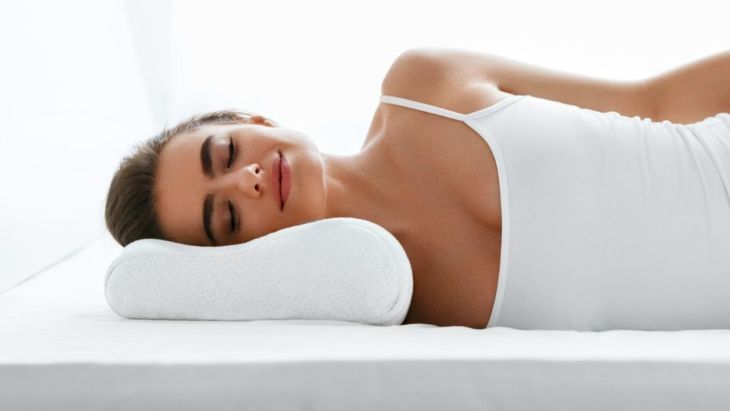
Helping your body recover from a ruptured eardrum requires a combination of good physical sleep habits and thoughtful sleep hygiene. By taking a proactive approach, you can manage localized discomfort and create an environment that supports deep, restorative sleep.
Practical Steps for a Restful Night
To help ease ear pressure and improve your sleep quality, consider incorporating these simple adjustments into your evening routine:
- Elevate Your Head: Use extra pillows or a wedge pillow to keep your head slightly raised. This uses gravity to help reduce fluid buildup in your middle ear and ease the throbbing sensation that can make it hard to fall asleep. This is a highly effective way to manage sleeping with ear pressure.
- Keep the Affected Ear Dry: Ensure your sensitive ear is protected from moisture. Avoid using wet compresses directly over an open rupture, and keep the area dry to prevent irritation.
- Support Your Body Alignments: If you are side-sleeping on your healthy ear, place a pillow between your knees to keep your spine aligned and reduce pressure on your hips and lower back, making it easier to stay in one comfortable position. This is key for maintaining safe sleeping positions for ear recovery.
- Create a Screen-Free Evening: Bright blue light from phones and tablets can interfere with your body’s natural melatonin production. Swapping screen time for a relaxing, screen-free routine—like reading or listening to quiet music—helps prepare your mind and body for sleep.
Tracking Your Recovery Trends Over Time
As your eardrum heals, keeping an eye on your sleep metrics can provide reassuring feedback about your recovery. By paying attention to key biometrics, you can see how your body is responding to your sleep adjustments:
- Sleep Stage Trends: Look for a gradual increase in your deep and REM sleep over several nights. More stable sleep stages are a great sign that pain is no longer disrupting your rest.
- Overnight HRV: A rising trend in your Heart Rate Variability indicates that your autonomic nervous system is shifting back into a relaxed, parasympathetic state, supporting your body’s natural healing processes.
- Resting Heart Rate: A lower, stable resting heart rate overnight is a helpful sign that physical stress and inflammation are beginning to subside.
Discover the Herz P1 Smart Ring
A premium, screen-free tracking solution designed to fit seamlessly into your wellness routine. Crafted from lightweight, durable titanium, the Herz P1 provides medical-grade biometric monitoring without the distraction of wrist-based screens or daily charging hassles.
- Subscription-Free: No hidden monthly fees—enjoy complete access to your sleep and recovery data forever.
- In-Depth Sleep Staging: Accurately tracks REM, Deep, and Light sleep to help you monitor overnight restfulness.
- HRV & Heart Rate Monitoring: Delivers precise insights into your nervous system’s recovery trends.
- Simple Recovery Scores: Translates complex biometric data into an easy-to-read daily score, helping you make informed wellness choices.
Finding the Right Fit for Your Journey
Everyone’s path to recovery looks a little different. While tracking metrics like HRV and sleep stages can offer valuable insights, it is helpful to remember that biometric tools are designed to support, not replace, professional care. If you are ever unsure about your symptoms, consulting with a healthcare professional can help you choose the best steps for your specific needs, allowing you to focus on healing and reclaiming your restful nights.
By combining practical adjustments—like finding a comfortable, pressure-free sleep position—with thoughtful biometric tracking, you can take a proactive role in supporting your body’s wellness. With the right habits and insights, you can help your body get the quiet, restorative rest it needs to heal.
