

Why Is the Connection Between Fibromyalgia and Sleep So Disruptive, and How Can You Reclaim Your Rest?
Waking up exhausted with aching joints is a daily battle when you are navigating fibromyalgia and sleep challenges. When chronic pain continuously interrupts your deepest sleep stages, tracking physiological recovery metrics like Heart Rate Variability (HRV) is key. At Mind Body Dan, we suggest starting with a screen-free, subscription-free tracking method like the Herz P1 Smart Ring to gently monitor your recovery.
Take Back Your Sleep.
Take Back Your Life.
- Fall asleep faster & sleep deeper
- Stop waking up in the middle of the night
- Wake up refreshed & full of energy
In This Article, You Will Learn:
- The Bidirectional Loop: Why fibromyalgia and sleep are fundamentally locked in a pain-fatigue cycle.
- Alpha-Wave Intrusion: The underlying neurological reason you wake up feeling like you didn’t sleep at all.
- Biometric Clues: How tracking Heart Rate Variability (HRV) and sleep stages can help you manage chronic fatigue.
- The Screen-Free Way: How modern wearable tech allows you to gather daily insights without sleep-disrupting screens.
Understanding the Cruel Cycle of Fibromyalgia and Sleep Disturbances
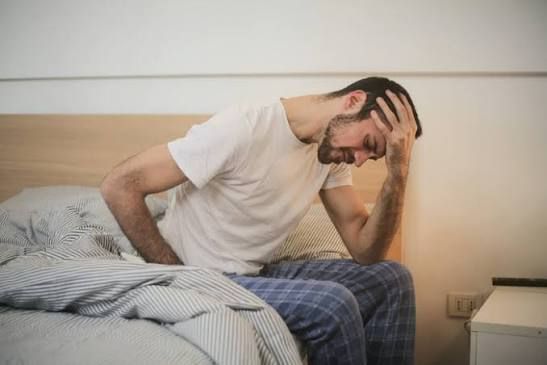
Yes, fibromyalgia and sleep are deeply and inseparably connected. The short answer is that widespread chronic pain makes restful sleep nearly impossible, while the subsequent lack of deep sleep actively lowers your pain threshold. To effectively navigate fibromyalgia and sleep, you must understand your body’s autonomic signals and transition to gentle, stress-free tracking methods that won’t fuel sleep-related anxiety.
For millions of people, a typical night begins not with a peaceful drift into dreams, but with a racing mind, aching muscles, and a sense of dread. You lie awake, tossing and turning, unable to find a position that doesn’t trigger a tender point. When you finally do fall asleep, you are plagued by frequent 3 AM awakenings, leaving you in a state of hypervigilance. By morning, instead of feeling restored, you are greeted by a heavy brain fog and systemic physical soreness—a classic presentation of non-restorative sleep.
This struggle is more than just feeling tired. It is a biological disruption of sleep architecture. Understanding this relationship is the first step toward reclaiming your physical and mental energy. Many individuals feel incredibly frustrated because they implement standard sleep hygiene tips but see no results. To truly understand what is happening inside your body, we need to dive deep into the physiological markers that connect fibromyalgia and sleep.
When to Use Biometric Tracking (and When to Avoid It)
Tracking your daily patterns can be incredibly validating. When you have objective data showing that your deep sleep was cut short, it explains why you feel like you are walking through wet cement. However, tracking must be handled carefully. If using a smartwatch with a bright glowing screen causes you to obsess over your scores, or if constant notifications disrupt your wind-down routine, traditional trackers can actually worsen insomnia.
Therefore, we recommend using a screen-free, lightweight biometric wearable. A titanium smart ring, worn comfortably on your finger, gathers data silently in the background. It measures metrics like sleep stages, resting heart rate, and HRV without emitting blue light or vibrating with notifications during the night. This allows you to gather actionable metrics to share with your healthcare provider without adding to your daily stress load.
Suggested Solutions for Breaking the Pain-Fatigue Loop
Addressing fibromyalgia and sleep requires a multi-layered approach. Gentle stretching, heat therapy before bed, and maintaining a cool, dark sleeping environment are fundamental. But to truly measure what works, you need an objective way to track your recovery.
This is where the Herz P1 Smart Ring shines. Made of ultra-lightweight titanium, it is designed for elegant comfort—unlike bulky smartwatches that pinch or glow in the dark. It features medical-grade biometric sensors that track your Sleep Stages (REM, Deep, Light) and HRV. Best of all, it translates these complex biological algorithms into a simple, intuitive Daily Recovery Score. It is entirely subscription-free, meaning you buy it once and own your health data forever, without annoying monthly fees or battery anxiety.
Frequently Asked Questions About Fibromyalgia and Sleep
Q: Why do I wake up feeling unrefreshed even if I slept for eight hours?
A: This is known as non-restorative sleep, a hallmark of fibromyalgia. Even though you are unconscious, your brain remains in a state of micro-arousal, preventing you from spending enough time in deep, restorative sleep stages where cellular repair occurs.
Q: Can improving my sleep reduce my physical pain during the day?
A: Absolutely. Research shows that sleep deprivation impairs the central nervous system’s ability to modulate pain. By improving sleep quality, you naturally increase your pain threshold and reduce widespread sensitivity.
Q: Why is a smart ring better than a smartwatch for sleep tracking?
A: Smartwatches are heavy, require frequent charging, and feature bright screens that can wake you up with notifications. A smart ring like the Herz P1 is screen-free, virtually weightless, and tracks your biometrics continuously without disturbing your rest.
The Science of Fibro Sleep Disorders: What Is Happening Inside the Body?

When you are sleeping with fibromyalgia, your central nervous system behaves as if it is under constant threat. Clinical sleep studies have identified a highly specific phenomenon in those with chronic pain conditions: alpha-wave intrusion. Under normal circumstances, your brainwaves slow down into deep delta waves as you transition into deep sleep. This is the stage where the body undergoes tissue repair, releases human growth hormone, and restores immune function.
However, when dealing with fibro sleep disorders, rapid alpha waves—the brainwaves associated with quiet wakefulness—intrude into the slow delta waves. This creates a state of “sleep state misperception.” Essentially, your brain is awake while your body is asleep. This is why you may wake up feeling completely depleted, experiencing what patients commonly refer to as a “fibro flare” right out of bed.
— Team Mind Body Dan Biometric Insights
Furthermore, people dealing with fibromyalgia sleep challenges have a higher prevalence of secondary sleep issues, such as Restless Legs Syndrome (RLS) and sleep apnea. These conditions cause frequent micro-arousals that further fragment the sleep cycle. If you cannot maintain prolonged periods of deep sleep and REM sleep, your cognitive processing suffers. This leads directly to the debilitating brain fog, memory issues, and emotional sensitivity associated with chronic fatigue.
To measure these shifts, sleep scientists look closely at Heart Rate Variability (HRV). HRV is the variation in time between consecutive heartbeats. It is controlled by your autonomic nervous system. A high HRV indicates a flexible, resilient nervous system that can easily transition into a parasympathetic (rest-and-digest) state. A low HRV indicates that your sympathetic (fight-or-flight) nervous system is locked on high alert. For those navigating the relationship between fibromyalgia and sleep, monitoring HRV trends provides a clear picture of internal stress levels, showing whether your wind-down routine is successfully calming your nervous system.
By shifting our focus from simple step counts to deep physiological metrics, we can begin to make data-informed lifestyle adjustments. Instead of guessing how your body is responding to a new therapy or lifestyle change, you can look at your objective biometric trends to see if your parasympathetic system is starting to recover during the night.
Practical Steps for Sleeping with Fibromyalgia: Reclaiming Your Nights Screen-Free
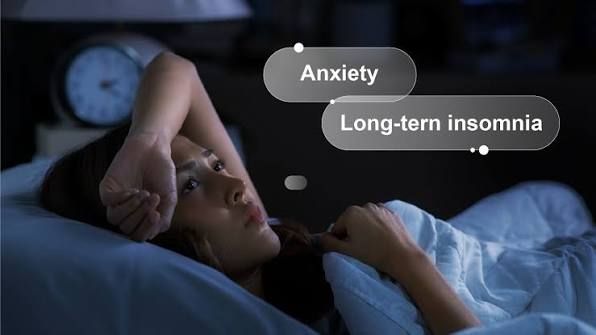
While you cannot control every pain signal your body sends, you can take active control over your sleep hygiene. Implementing a screen-free evening routine is one of the most powerful steps you can take. Melatonin is the hormone responsible for signaling to your brain that it is time to sleep. Blue light from phones, tablets, and smartwatches suppresses melatonin production, making it even harder for someone with central sensitization to fall asleep.
This is why screen-free wellness is gaining massive popularity. By removing digital distractions from the bedroom, you allow your brain to naturally transition into a sleep-ready state. However, many people still want to monitor their biometrics to see if their efforts are working. This is where elegant, distraction-free wearable tech bridges the gap between digital wellness and data-driven health.
Why Screen-Free Wearables Help Manage Fibromyalgia and Sleep:
- Reduced Sleep Anxiety: No glowing screens or vibrating notifications to disrupt your nervous system at 3 AM.
- Accurate Sleep Stages: Precise tracking of REM, Deep, and Light sleep stages to identify alpha-wave intrusion trends.
- Continuous HRV Monitoring: Tracks how well your nervous system transitions from fight-or-flight to rest-and-digest.
- Long Battery Life: High-quality smart rings only need to be charged every few days, eliminating daily operational hassle.
- Subscription-Free: Keeps your health journey simple and free of hidden costs or monthly paywalls.
Pacing is another critical strategy for managing fibromyalgia and sleep. Many people suffer from a “boom-and-bust” cycle: on days when they feel slightly better, they overexert themselves, leading to a massive pain flare and terrible sleep that night. By tracking your daily Recovery Score, you can practice proactive energy pacing. If your tracker shows your HRV is low and your deep sleep was minimal, you know to schedule rest periods throughout your day, preventing a crash.
This systematic approach helps you live in harmony with your body rather than constantly fighting against it. By paying attention to autonomic patterns, you can begin to identify which lifestyle adjustments—such as a warm bath, magnesium supplements, or gentle yoga—are genuinely supporting your recovery.
The goal is not to achieve perfect sleep overnight, but to slowly improve your overall rest trends. Small, incremental increases in deep sleep can have a profound impact on your daily energy, cognitive clarity, and physical comfort. When you take the guesswork out of the equation, you reclaim a sense of agency over your body and your wellness journey.
Ready to Understand Your Rest Without the Screen Distraction?
If you are tired of bulky watches, glowing screens, and hidden monthly subscription fees, discover a more elegant way to monitor your recovery. Track your Sleep Stages, HRV, and daily energy pacing with medical-grade accuracy, comfortably wrapped around your finger.
As you continue to refine your daily habits, remember to be patient with yourself. Healing your sleep architecture is a slow process that requires consistency, self-compassion, and the right insights. By utilizing a quiet, screen-free wearable, you can gather the metrics you need to support your wellness journey, helping you wake up feeling lighter, clearer, and more energized over time.
Ultimately, navigating fibromyalgia sleep disturbances is about finding what works specifically for your unique nervous system. Whether that means adjusting your sleep environment, practicing breathwork, or tracking your HRV, every small step counts toward breaking the fatigue loop. By pairing natural sleep hygiene habits with stress-free monitoring, you can finally build a reliable path to restorative sleep with fibromyalgia.
Take your time, listen to your body’s subtle bio-signals, and let data-informed pacing guide you toward calmer nights and brighter, more comfortable days ahead.
Disclaimer: Results may vary depending on individual physical activity levels, unique health conditions, and daily tracking patterns. The Herz P1 Smart Ring is designed as a wellness monitoring tool to track general lifestyle, activity, and recovery trends. It is not a medical device, nor is it designed to diagnose, treat, or prevent any physical or neurological condition. Always consult with a qualified medical professional for any healthcare decisions.
