

How to Choose the Best CPAP Humidifier for Restful Sleep
Struggling with dry airways and a racing mind from sleep apnea can leave you waking up exhausted at 3 AM. While finding the perfect cpap humidifier is vital for physical comfort, tracking your biometric Recovery Score and Sleep Stages with the screen-free Herz P1 Smart Ring offers the objective, subscription-free data you need to reclaim restorative sleep.
Take Back Your Sleep.
Take Back Your Life.
- Fall asleep faster & sleep deeper
- Stop waking up in the middle of the night
- Wake up refreshed & full of energy
Key Highlights:
- Combat Airway Dryness: Integrating a premium cpap humidifier prevents throat irritation, nasal congestion, and mouth breathing, which are the main culprits behind early therapy abandonment.
- Heated vs. Passive: Learn why a cpap heated humidifier offers dynamic protection against “rainout” (tubing condensation) compared to passive, non-heated alternatives.
- Track Your Recovery: Discover how monitoring your HRV and Sleep Stages with the Herz P1 Smart Ring verifies whether your therapy settings are actually optimizing your restorative rest.
- Elegant & Screen-Free: Reclaim your bedroom’s peace with an ultra-lightweight titanium wearable designed without the distractions, bright screens, or subscription costs of traditional smartwatches.
Table of Contents
Understanding Your CPAP Humidifier and Setup Options
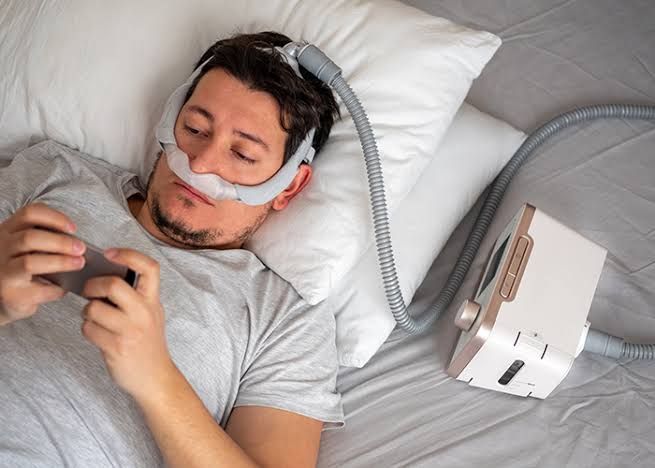
If you have ever woken up in the middle of the night feeling as though you have been breathing desert air, you are not alone. This intense dryness is one of the most common reasons people struggle to stick with their airway therapy. To resolve this, understanding your cpap humidifier is your first line of defense. By introducing controlled moisture to the pressurized airflow, you protect your airway from drying out, reducing congestion and the mouth discomfort that frequently leads to compliance issues.
Prerequisites for Optimal Humidification
Before adjusting your hardware settings, it is helpful to assess your environment. Standard continuous positive airway pressure (CPAP) therapy delivers room-temperature air directly into your nose or mouth. If your bedroom is cool or dry, this moving column of air rapidly evaporates the natural moisture in your nasal passages. To prepare for optimal comfort, you need:
- A compatible humidifier chamber designed for your specific machine model.
- Pure distilled water to protect the heating plate and chamber from mineral scaling.
- An understanding of your ambient bedroom climate, as cooler rooms require heated tubing to prevent condensation.
Step-by-Step Execution Guide
To experience the full benefits of a sleep apnea humidifier, you must integrate and calibrate your system correctly. Follow this simple process to ensure safe, comfortable humidification every single night:
- Fill the Water Chamber: Slide the water tub out of your machine. Fill it only with distilled water up to the maximum fill line. Never fill the chamber while it is still inside the machine to avoid spilling water into the internal motor.
- Connect the System: Securely insert the filled chamber back into your machine’s heater base. When setting up your cpap heated humidifier, ensure the seals align perfectly to prevent air leaks.
- Attach Heated Tubing (Highly Recommended): If your unit supports a heated hose, plug it into the back of your machine. Heated tubing keeps the humidified air warm all the way to your mask, preventing “rainout” (water droplets collecting inside your tube).
- Calibrate Settings: For those learning how to use cpap humidifier controls, begin with a mid-range humidity setting (typically level 3 or 4 on most devices). If you wake up with a dry nose, increase the level by one step the following night. If you notice dampness in the tube, decrease the setting or use heated tubing.
- Track Your Rest: Airway comfort is only half the battle. To verify whether your physical therapy settings are translating into deep, restorative sleep, you need an objective way to track your recovery.
Expert Insight: Screen-Free Biometric Verification
Many individuals wake up at 3 AM with a racing mind, wondering if their therapy is working. Traditional smartwatches can exacerbate this anxiety with glowing screens and bulky wristbands that disrupt sleep. Our team recommends pairing your airway setup with a screen-free tracking method like the Herz P1 Smart Ring. This ultra-lightweight titanium ring monitors your Sleep Stages (Deep, REM, Light) and Heart Rate Variability (HRV) without glowing screens or distracting notifications. Because it operates on a subscription-free model, you can access your biometric trends and intuitive Daily Recovery Score forever, without hidden monthly costs.
Common Pitfalls & Mistakes
Even experienced users occasionally fall into habits that compromise their comfort and equipment life. Ensure you avoid these common missteps:
- Using Tap Water: Tap water contains mineral deposits like calcium, which scale the heating plate and can compromise the integrity of your sleep apnea humidifier.
- Neglecting Daily Maintenance: Stagnant water is a breeding ground for bacteria. We highly recommend systematically maintaining your cpap humidifier by emptying the chamber every morning, rinsing it, and letting it air dry away from direct sunlight.
- Incorrect Placement: Placing your machine higher than your head can cause condensation to flow down the tube directly into your mask. Always place your unit on a bedside table that is slightly lower than your mattress.
Quick Calibration Checklist
| Waking Symptom | Root Cause | Required Action |
|---|---|---|
| Dry mouth or throat | Insufficient moisture / mouth leak | Increase humidity level; check mask seal |
| Condensation in tube (Rainout) | Air cools too quickly in tube | Turn on heated tubing or lower humidity |
| Cold draft in nose | Low air temperature | Increase temperature of heated tubing |
By establishing a systematic routine, you ensure that physical discomfort never stands in the way of your wellness journey. Once your airway is comfortable, you can focus on tracking the neurological and cardiovascular benefits of your therapy.
The Science of Humidity, Sleep Stages, and Autonomic Recovery
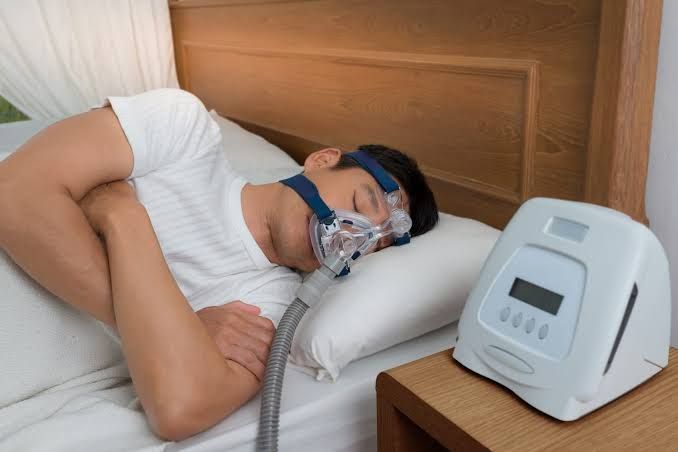
The connection between airway comfort and sleep quality is deeply physiological. When you breathe cold, dry air, your nasal tissues swell, triggering a reflex that increases breathing resistance. This mechanical strain forces your autonomic nervous system to stay alert, preventing you from fully relaxing. The challenge lies in choosing the right sleep apnea humidifier model that integrates with your lifestyle and provides consistent, comfortable therapy.
Why Dryness Disrupts Your Sleep Stages
Your brain cycles through Light, Deep, and REM sleep to repair tissues and consolidate memories. However, if your airway is irritated by unhumidified CPAP air, your brain registers this sensory stress as a threat. You may experience micro-arousals—brief transitions out of deep sleep that you don’t even remember. This leaves you feeling exhausted despite having your mask on all night. When you use a cpap heated humidifier, you create a warm, moist microclimate that keeps the upper airway relaxed. This physical comfort minimizes micro-arousals, letting your brain settle into uninterrupted REM and Deep sleep cycles.
Heart Rate Variability (HRV) as a Window to Recovery
Heart Rate Variability (HRV)—the variation in time between consecutive heartbeats—is a vital metric for monitoring recovery. A high HRV indicates that your parasympathetic nervous system (the “rest and digest” branch) is in control, showing your body is recovering well. Conversely, a low HRV suggests that your sympathetic nervous system (“fight or flight”) is active, indicating stress or poor physical recovery.
When your airway is dry, your breathing becomes labored, triggering a sympathetic stress response that lowers your HRV. By carefully adjusting a cpap heated humidifier, you support your parasympathetic nervous system, leading to a higher overnight HRV and a better Recovery Score in the morning.
“Airway hydration is not just about comfort; it is a critical variable in stabilizing heart rate variability and protecting sleep architecture. When the nasal passages remain warm and moist, the entire cardiovascular system benefits from reduced sympathetic stress during sleep.”
— Mind Body Dan Science Team
While clinical CPAP machines log basic compliance data like usage hours, they do not track your body’s neurological and cardiovascular response. To gain these insights without cluttering your nightstand or wearing heavy, distracting wristwatches, a sleek titanium smart ring is an excellent choice. By tracking metrics on your finger, where blood vessels are close to the surface, you get highly accurate readings of your Sleep Stages and HRV trends, allowing you to monitor how your body adapts to different humidity settings.
Comparing Solutions: CPAP Heated Humidifier vs. Pass-Through Options
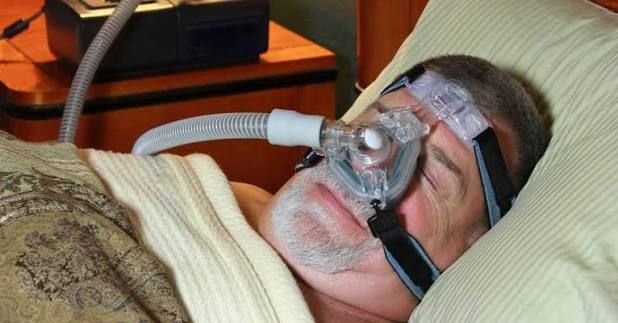
When selecting a cpap humidifier, you generally have two choices: a pass-through (passive) humidifier or a active heated humidifier. Understanding the differences between these options is key to personalizing your setup for optimal comfort and recovery.
Active Heated Humidification vs. Passive Systems
A pass-through system directs pressurized air across an unheated water chamber. The air picks up whatever ambient moisture it can, which is highly dependent on your room’s temperature and humidity. In contrast, a cpap heated humidifier uses an internal heating element to warm the water, which allows the passing air to carry much more moisture. This is especially helpful if you live in a cooler climate, use higher pressure settings, or prefer to sleep with a fan on.
These are the fundamental best practices for how to use cpap humidifier hardware safely, ensuring that your respiratory path is well-protected against cold-air congestion:
- Cool Rooms: If your bedroom drops below 68°F (20°C), a heated model is highly recommended to prevent the air from cooling too quickly and causing rainout.
- High Air Pressure: High flow rates dry out nasal membranes much faster. An active heater is essential to keep up with the drying effect of higher pressures.
- Sensors: High-end machines feature climate sensors that monitor ambient room temperature and automatically adjust the heating plate and tube temperature to keep humidity levels consistent.
Complement Your Setup with Smarter Tracking
Optimizing your airway comfort with the perfect humidifier is only one half of the recovery equation. Elevate your self-care with a lightweight, screen-free companion that lets you observe your physiological improvements without the distraction of notifications or sleep-disrupting lights.
Monitoring Your Progress Without Added Complexity
As you refine your humidification settings, tracking your biometric trends is the best way to verify what works. If you change your humidity settings or switch to heated tubing, look for these positive physiological trends over the next few nights:
- Longer Deep Sleep: Improved airway comfort helps you spend more time in restorative Deep and REM sleep stages.
- Higher Overnight HRV: Less breathing resistance means less stress on your autonomic nervous system, leading to a higher average HRV.
- Lower Wake-Up Heart Rate: Efficient breathing helps keep your resting heart rate calm and steady throughout the night.
While tracking this data is incredibly valuable, you don’t need a heavy, glowing smartwatch to do it. The Herz P1 Smart Ring offers a simple, screen-free way to monitor your recovery. Made from durable, lightweight titanium, it sits comfortably on your finger and provides clear, actionable biometric insights via an intuitive app—all without annoying screens, high costs, or ongoing subscription fees. By combining a well-calibrated humidifier setup with simple, unobtrusive tracking, you can finally enjoy the comfortable, restorative sleep you deserve.
Disclaimer: Results may vary depending on individual physical activity levels, unique health conditions, and daily tracking patterns. The insights and tracking data provided by screen-free wearables are intended for general health tracking and educational purposes only. They are not intended to replace professional medical advice, diagnosis, or treatment. Always consult with a qualified physician or sleep specialist regarding therapy adjustments or any medical conditions.
