

How to Become a Morning Person and Wake Up Early with Biometric Science
Do you struggle to wake up feeling rested? If you are constantly asking, “how do I become a morning person without feeling exhausted?” the answer lies in your biometrics. By monitoring your circadian health with a sleek, screen-free wearable like the Herz P1 Smart Ring, you can master your sleep stages and effortlessly unlock early-morning energy.
Take Back Your Sleep.
Take Back Your Life.
- Fall asleep faster & sleep deeper
- Stop waking up in the middle of the night
- Wake up refreshed & full of energy
Key Highlights of This Guide
- The Circadian Shift: How to safely realign your body’s internal master clock without shocking your system.
- Screen-Free Recovery: Why traditional screen-heavy smartwatches harm sleep, and how minimal smart rings provide a healthier path.
- Actionable Biometrics: Demystifying HRV and sleep stages to unlock consistent, reliable morning energy.
- Practical Daily Checklists: Step-by-step evening and morning rituals to concrete your transition.
Table of Contents
The Science of Sleep and How to Become a Morning Person
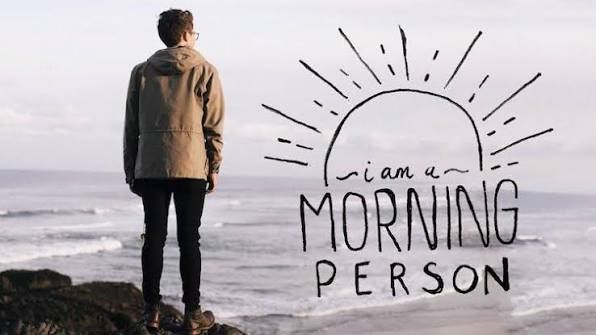
For many of us, the morning is not a time of peaceful awakening; it is a battleground. You wake up with a heavy fog pressing down on your brain, a racing mind wondering how you will survive the day, and an overwhelming feeling of non-restorative sleep. Perhaps you experienced sudden 3 AM awakenings, tossed and turned, or lay awake staring at the ceiling. You drag yourself out of bed, immediately dependent on bad habits like reaching for energy drinks or hitting the snooze button four times just to cope with the exhaustion. If you have ever sighed and asked, “how do I become a morning person when my body resists every alarm?” you are not alone. The transition is not about forcing yourself to wake up early through sheer willpower; it is about rewriting your internal biological program.
To understand how to become a morning person, we must first look at the master clock in your brain: the suprachiasmatic nucleus (SCN). This tiny region of the brain regulates your sleep-wake cycles, body temperature, and hormone levels over a 24-hour cycle. When you try to abruptly shift from being a night owl to a morning person, you create a state of internal desynchrony—essentially, social jetlag. Your body expects to sleep, but your lifestyle demands that you wake up. This is why learning circadian rhythm alignment is the foundational step in your transformation. Without aligning this rhythm, you will remain trapped in a cycle of fitful sleep and morning fatigue.
Prerequisites for Shifting Your Biological Clock
Before making any changes, you need to prepare your environment and mind. Trying to change your sleep schedule when your nervous system is overstimulated is a recipe for failure. To successfully execute this transition, you must commit to a few core preparations:
- Track, don’t guess: You cannot optimize what you do not measure. Having objective sleep data helps you understand your actual baseline sleep latency and sleep stages.
- Establish environmental cues: Your room must be optimized for melatonin production (dark, cool, and free from light-emitting electronics).
- Manage evening stimulation: Avoid high-intensity exercises, massive late-night meals, and blue screens in the two hours before your target bedtime.
Step-by-Step Execution Guide
Re-engineering your internal clock requires an incremental, step-by-step strategy. Here is how to execute this shift successfully:
Step 1: Shift Your Bedtime and Wake Time by 15-Minute Increments. Do not attempt to sleep two hours earlier tonight. Your body will resist, resulting in frustrating hours of staring at the ceiling. Instead, adjust your target wake-up time and sleep time by 15 minutes every two to three days. This gentle progression allows your SCN to naturally adapt without triggering high stress or evening insomnia.
Step 2: Establish a Strict Evening Wind-down Ritual. About 90 minutes before sleep, transition your mind away from daytime worries. This is where mastering sleep hygiene practices becomes your secret weapon. Engage in low-light activities: read a physical book, practice light stretching, or journal to empty your mind of racing thoughts.
The Screen-Free Sleep Revolution
Many people attempt to track their sleep using traditional smartwatches. However, these bulky devices come with bright, distracting screens that constantly flash notifications, tempting you to check them at 3 AM. Furthermore, having to charge them daily means they often sit on a nightstand right when you need them most.
This is why our team at Mind Body Dan recommends a screen-free alternative like the Herz P1 Smart Ring. Crafted from ultra-lightweight, medical-grade titanium, it sits comfortably on your finger, tracking your heart rate variability, sleep stages, and daily physical activity without any light emission or subscription fees. By removing the screen from your wrist, you remove the psychological urge to check notifications, paving the way to become a morning person.
Step 3: Expose Yourself to Bright Light Immediately Upon Waking. Light is the most powerful synchronizer of your internal clock. Natural sunlight exposure within 15 minutes of waking signals to your brain that it is time to stop producing melatonin and start releasing cortisol, your body’s natural waking hormone. If you want to know how to become a morning person, this single habit is incredibly powerful. Spend 5 to 10 minutes outside or near a bright window first thing in the morning.
Step 4: Design a Rewarding Morning Routine. If your early morning consists only of rushing to get ready for work, your brain will naturally resist waking up. Create an energetic morning routine that incorporates activities you actually look forward to—whether that is a quiet cup of tea, a dynamic stretch session, or listening to your favorite podcast in peace.
Common Pitfalls & Mistakes
While learning how to be a morning person, many well-intentioned individuals fall into identical traps:
- The Weekend Sleep-in: Staying up late on Fridays and sleeping in late on Saturdays resets your circadian clock. Try to keep your wake-up time within a 60-minute window, even on weekends.
- Over-relying on Caffeine: Consuming coffee late in the afternoon blocks your brain’s adenosine receptors, preventing the natural sleep pressure you need to fall asleep early.
- bulky Wearable Discomfort: Relying on heavy, uncomfortable smartwatches that pinch your wrist or run out of charge during the night. A light, elegant smart ring ensures seamless, continuous tracking.
Your Morning Transition Checklist
| Phase | Action Step | Expected Benefit |
|---|---|---|
| Evening | Move sleep time 15 mins earlier | Gradual circadian adaptation |
| Night | Remove glowing screens | Enhanced natural melatonin levels |
| Morning | Seek natural outdoor light | Suppressed melatonin, increased alert hormone |
| Continuous | Monitor recovery biometrics | Data-driven schedule optimization |
In conclusion, mastering how to become a morning person is entirely possible when you stop fighting your biology and start working with it. By adjusting your timing gently, avoiding late stimulants, and letting go of bulky, screen-filled trackers, you set the biological stage for a bright, energized start every single morning.
How to Reset Your Sleep Routine and Master Chronobiology

Every individual belongs to a biological profile known as a chronotype. These profiles dictate whether we are natural early-morning rise-and-shiners (Lions), mid-day peak performers (Bears), or late-night creators (Wolves). When we address the fundamental question—“how do I become a morning person?”—we must recognize that we are not trying to change our genetics, but rather optimize our chronotype’s flexibility. Even genetic night owls can learn how to be a morning person without experiencing daily exhaustion, provided they use personalized biological data rather than generic online tips.
The transition is governed by your autonomic nervous system, which relies on balance. Your sympathetic nervous system (“fight or flight”) and your parasympathetic nervous system (“rest and digest”) must switch dominance at the right times. An effective way to check this physiological balance is by tracking Heart Rate Variability (HRV). By dedicating time to interpreting HRV metrics, you can see if your nervous system is calm enough to transition into restorative sleep. A high nightly HRV suggests that your body has adapted and recovered, making an early-morning alarm much easier to handle. Conversely, a consistently low HRV indicates systemic fatigue, warning you that forcing an early wake-up call might lead to burnout.
Understanding Your Sleep Architecture
True morning energy is not determined by the number of hours spent in bed. It is defined by your sleep architecture, which is divided into three key phases:
- Deep Sleep: This phase supports somatic physical repair, tissue growth, and immune system rejuvenation.
- REM Sleep: Essential for cognitive consolidation, emotional integration, and clear mental focus.
- Light Sleep: The vital transition phase that acts as a bridge between deeper stages of rest.
Many morning people naturally wake up at the end of a light sleep phase, feeling refreshed. If you wake up abruptly during a deep sleep cycle, you will experience severe grogginess that makes you feel defeated. To avoid this, you need a precise way to monitor these shifts. By reviewing a science-backed deep sleep phase optimization routine, you can set sleep timings that naturally place your alarm during your lighter sleep phases.
If you are exploring how to become a morning person, tracking these deep cycles with comfortable wearables is an invaluable step. A lightweight titanium smart ring, worn snugly on your finger, reads micro-vascular signals continuously throughout the night. It converts these complex mathematical metrics into a straightforward Recovery Score, meaning you can easily identify if your body is ready to seize the early morning without having to study hard-to-read biometric charts.
Healthy Sleep Tips for Sustained Morning Energy

You cannot talk about how to become a morning person without addressing sleep inertia. That heavy, disoriented feeling you get right after your alarm rings is caused by lingering sleep molecules, like adenosine, in your brain. While caffeine provides a quick temporary fix, the best way to handle this grogginess is to build a healthy morning routine that naturally clears these molecules. Focus on hydration, movement, and light exposure to start your day with natural momentum. If you are determined to find out how to become a morning person, you must focus on habits that help you in beating morning brain fog quickly.
The foundation of morning alertness is actually laid the night before. This is where modern screen-free tracking technology excels. Devices like the subscription-free Herz P1 Smart Ring monitor your heart rate, movement, and skin temperature to calculate a highly personalized daily Recovery Score. This score tells you exactly how ready your nervous system is for physical or mental exertion. Rather than guessing why you feel tired, you can look at how recovery scores are calculated and adjust your daily plans accordingly.
— Team Mind Body Dan
Equally critical to consistent morning energy is REM sleep. This phase of sleep plays a huge role in processing memories and balancing emotions. If your sleep is constantly interrupted by stress or late-night notifications, you will miss out on vital REM cycles, leaving you feeling mentally exhausted. Focusing on maximizing REM sleep duration through a quiet bedtime routine and comfortable tracking is essential if you want to know how to be a morning person.
While some people prefer wearing standard smartwatches, these bulky devices can often disrupt your sleep, and their frequent subscription fees can make them a frustrating long-term choice. On the other hand, the Herz P1 Smart Ring offers a simple, elegant titanium design with long battery life. This allows you to track your biometrics comfortably night after night without any annoying screen glare or hidden costs. It is the perfect companion for anyone wanting to build healthy habits and master how to become a morning person.
Disclaimer: Results may vary depending on individual physical activity levels, unique health conditions, and daily tracking patterns. The content in this article is provided for informational and educational purposes only and should not be used as medical advice. Always consult with a qualified healthcare professional before making any major changes to your diet, exercise, or sleep routines.
