

Is Your Exhaustion More Than Just Tiredness? The Surprising Link Between Anemia and Sleep
Do you wake up experiencing non-restorative sleep and foggy mornings, despite spending eight hours in bed? The hidden culprit behind your constant fatigue might be the connection between anemia and sleep. Learn how low iron disrupts biological trends and how a screen-free smart ring helps you monitor your recovery.
Take Back Your Sleep.
Take Back Your Life.
- Fall asleep faster & sleep deeper
- Stop waking up in the middle of the night
- Wake up refreshed & full of energy
Key Highlights
- The Oxygen Link: Low iron reduces hemoglobin, starving the brain of nighttime oxygen and causing frequent micro-arousals.
- Insomnia and Dopamine: Iron is a critical cofactor for tyrosine hydroxylase, which synthesizes dopamine; deficiency directly disrupts your natural circadian cycles.
- Restless Legs Syndrome: Low iron causes leg twitching and a creeping sensation, severely delaying sleep onset.
- Objective Monitoring: Using comfortable, screen-free wearables allows you to track biological sleep stages and Recovery Scores without tech-induced stress.
How Does Low Iron Affect Sleep? The Biological Mechanisms Behind the Exhaustion

Quick Answer
Yes, low iron can severely disrupt sleep architecture, leading to micro-arousals, restless leg sensations, and non-restorative rest patterns. However, to choose the right wellness practices and monitoring tools, you need to understand how iron-depleted blood stresses the nervous system and how tracking these biological shifts can guide your recovery journey.
Detailed Explanation
Iron is much more than a mineral for strength; it is the absolute foundation of cellular energy and respiration. At a molecular level, iron binds to oxygen inside red blood cells via a protein called hemoglobin. When your body experiences an iron deficiency, hemoglobin levels drop, resulting in a reduced capacity to transport oxygen to vital organs, including your brain.
When we examine the direct correlation between anemia and sleep, the primary mechanism of disruption is nighttime hypoxia (low blood oxygen). As you drift into deeper sleep states, your metabolic rate changes, and your breathing naturally slows. For someone with healthy iron stores, this is a smooth transition. However, for those with low iron, the reduced oxygen-carrying capacity triggers a silent emergency in the brain. The brainstem detects the drop in oxygenation and initiates a mild sympathetic (fight-or-flight) surge to slightly elevate your heart rate and force a deeper breath. While you might not fully wake up to conscious awareness, these micro-arousals fracture your sleep structure, preventing you from spending sufficient time in restorative Deep and REM cycles.
Furthermore, iron is essential for the function of tyrosine hydroxylase, an enzyme that serves as the rate-limiting step in dopamine synthesis. Dopamine is a crucial neurotransmitter involved in motor control, motivation, and the regulation of our circadian rhythm. When brain iron levels drop, dopamine signaling falters. This neurological disturbance is the direct driver behind Restless Legs Syndrome (RLS)—a sensory-motor disorder characterized by an irresistible urge to move the limbs, usually accompanied by crawling, tingling, or pulling sensations. When analyzing how can low iron cause insomnia, RLS emerges as a primary culprit, actively preventing sleep onset and keeping your nervous system highly aroused when it should be winding down.
When to Use / Not to Use Tracking Devices
Understanding when to rely on subjective feelings versus objective biometric data is key to managing your wellness.
- When to track: If you are experiencing unexplained morning fatigue, brain fog, or suspect that dietary changes are impacting your physiological stamina, tracking is highly beneficial. Monitoring resting heart rate (RHR), Heart Rate Variability (HRV), and Sleep Stages over time can help you observe trends in how your body recovers each night.
- When not to track (and consult a doctor instead): If you are experiencing severe, debilitating physical symptoms such as chronic shortness of breath, chest pains, extreme pallor, or a persistently racing heart, you should immediately consult a primary care physician. Do not attempt to rely on smart sensors to self-diagnose or self-treat clinical anemia. A wearable device is not a medical diagnostic tool, but rather a guide to track lifestyle adjustments and daily wellness trends.
Suggested Solutions
Addressing the sleep disturbances associated with low iron requires a multi-pronged approach. First, prioritize nutrient-dense dietary choices. Consuming iron-rich foods (such as dark leafy greens, legumes, and lean red meats) paired with Vitamin C to enhance absorption can assist in optimizing iron stores. Second, avoid consuming calcium or caffeine near your meals, as these compounds can inhibit iron absorption.
To monitor how these daily nutritional and behavioral habits are improving your biological resilience, we recommend adopting a screen-free tracking method. Traditional smartwatches can be heavy, distracting, and require daily charging—often dying in the middle of the night and leaving gaps in your data. The Herz P1 Smart Ring provides a modern, lightweight, and elegant alternative. Crafted from premium titanium, it comfortably wraps around your finger without any glowing screens to disrupt your circadian rhythm. It translates complex biometric algorithms into clean, understandable daily sleep and recovery metrics, allowing you to see the tangible benefits of your positive habits without any subscription fatigue or hidden fees.
Frequently Asked Questions
Q: Can low ferritin levels affect sleep even if I am not clinically anemic?
A: Yes. Ferritin represents your body’s stored iron. Even if your red blood cell count appears normal on standard tests, latent iron deficiency (low ferritin) can still impair dopamine synthesis and trigger restless leg symptoms, compromising overall sleep quality.
Q: How long does it take for sleep to improve after addressing low iron?
A: It typically takes several weeks of consistent nutritional adjustments or guided supplementation to replenish cellular iron stores and notice a significant upward trend in sleep architecture and recovery metrics.
Q: Does sleep deprivation itself lower iron levels?
A: Chronic lack of sleep triggers low-grade systemic inflammation, which can increase levels of hepcidin—a hormone that regulates iron absorption. Consequently, poor sleep can inadvertently make it harder for your body to absorb dietary iron, creating a challenging loop.
Unmasking the Symptoms: Can Anemia Cause Insomnia and 3 AM Awakenings?
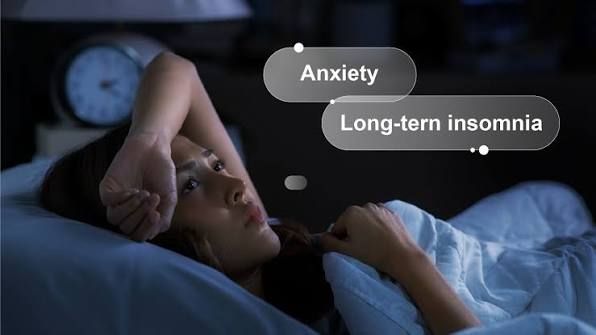
Many individuals dealing with iron deficiency describe a highly specific and frustrating pattern of sleep disruption. You go to bed physically exhausted, feeling as though you could sleep for a week. Yet, the moment your head hits the pillow, your mind starts racing. If you do manage to fall asleep, you wake up abruptly around 3 AM, your heart pumping, your limbs heavy, but your mind completely wired. This is not just everyday stress; it is the physical manifestation of how does low iron affect sleep.
When the oxygen-carrying capacity of your blood is compromised, your heart has to pump faster and harder to deliver sufficient oxygen to your brain and organs. Over time, this chronic workload places your cardiovascular system under constant mild stress. When you enter sleep, your resting heart rate should naturally drop, and your Heart Rate Variability (HRV) should increase, indicating that your parasympathetic (rest-and-digest) system is in control. However, when iron stores are depleted, your heart rate remains elevated throughout the night, and your HRV plummets. This biological stress response can easily trigger sudden awakenings in the middle of the night, leaving you feeling anxious and unable to fall back asleep.
— Team Mind Body Dan
This persistent strain on the body directly explains why can anemia cause insomnia. When the nervous system remains stuck in a state of high physical alert due to poor tissue oxygenation, achieving deep, peaceful sleep becomes incredibly difficult. Many people try to combat this exhausting cycle with unhealthy habits—such as consuming afternoon energy drinks, relying on sleep aids, or scrolling on their smartphones during 3 AM awakenings. These habits only serve to worsen sleep hygiene, pushing restorative rest even further out of reach.
By observing your biometric data over time, you can better understand these trends. When addressing low iron sleep issues, keeping a close eye on your resting heart rate and sleep cycles can reveal how your body is responding to positive lifestyle changes. If your heart rate begins to stabilize and your deep sleep windows lengthen, it is a clear physiological sign that your body is moving toward a state of balanced recovery.
Reclaiming Rest: Monitoring Iron and Sleep Trends Without the Screen Distraction

Resolving chronic sleep issues and supporting your body’s recovery requires a consistent focus on sleep hygiene. However, trying to track your sleep using a bulky, glowing smartwatch often adds to the problem. Bright screens can tempt you to check notifications in the middle of the night, while daily charging demands mean your tracker is often sitting on your nightstand when it should be measuring your rest.
This is where comfortable, screen-free wearables come in. By focusing on essential biometric indicators—such as sleep stages, heart rate variability, and nighttime rest trends—you can gain valuable insights without the stress of constant digital notifications. When navigating the complexities of iron and sleep, having a continuous, unobtrusive record of your physiological patterns can help you and your healthcare professional make more informed decisions about your wellness routine.
Key Biometrics to Monitor for Sleep & Recovery
- Resting Heart Rate (RHR): An elevated night-time heart rate can indicate that your body is exerting extra effort to circulate oxygen.
- Heart Rate Variability (HRV): A higher HRV indicates a well-rested, balanced autonomic nervous system, whereas a lower HRV suggest systemic physical stress.
- Deep Sleep Duration: The vital stage responsible for cellular repair, tissue recovery, and overall cognitive clearing.
- Recovery Score: A simple, integrated daily metric that helps you gauge how prepared your body is to handle daily physical or mental demands.
A continuous, subscription-free tracking approach helps you identify what is working and what is not. For example, if you begin taking iron supplements or adjusting your diet under a doctor’s guidance, you can monitor how these changes affect your physical data over time. Observing your deep sleep duration gradually expand and your nighttime heart rate stabilize provides encouraging, objective confirmation that your recovery is on track. This long-term monitoring is particularly helpful when managing the impacts of sleep deprivation and anemia.
Reclaim Your Energy Cycle
Monitoring how your lifestyle shifts impact your body’s rest patterns is key to resolving chronic fatigue. The Herz P1 Smart Ring offers a seamless, screen-free way to observe these trends, giving you back control without adding tech fatigue to your life.
Ultimately, the journey toward deep, restorative sleep involves listening to your body’s signals and making mindful choices. By combining scientific insights with practical, screen-free tracking methods, you can gain a clearer understanding of your physiological needs and take proactive steps to reclaim your natural energy and vitality. Keeping an accurate record of your rest habits is a powerful way to support your overall wellness when monitoring sleep quality with low iron.
Disclaimer: Results may vary depending on individual physical activity levels, unique health conditions, and daily tracking patterns. Wearable technology products are designed for wellness tracking and data-informed insights and are not intended to substitute for professional medical advice, diagnosis, or treatments.
