

Why Is It So Hard to Sleep with PTSD? How Trauma Disrupts Your Body’s Nightly Recovery
Living with trauma means wrestling with a racing mind, non-restorative sleep, and sudden 3 AM awakenings. Research shows that ptsd and sleep issues stem from a nervous system stuck in high alert. To reclaim your rest without bulky screens, the subscription-free Herz P1 Smart Ring tracks your recovery journey effortlessly.
Take Back Your Sleep.
Take Back Your Life.
- Fall asleep faster & sleep deeper
- Stop waking up in the middle of the night
- Wake up refreshed & full of energy
What You Will Learn in This Article:
- The Hyperarousal Link: How emotional trauma keeps your autonomic nervous system locked in “fight-or-flight” mode.
- HRV and Sleep Architecture: Why measuring Heart Rate Variability (HRV) is key to tracking real physical recovery.
- The REM Nightmare Loop: The neurobiology behind trauma-induced nightmares and night terrors.
- Screen-Free Recovery Solutions: Practical ways to monitor your wellness without the stress of glowing smartwatch displays.
Understanding PTSD and Sleep: The Science of Nighttime Hyperarousal
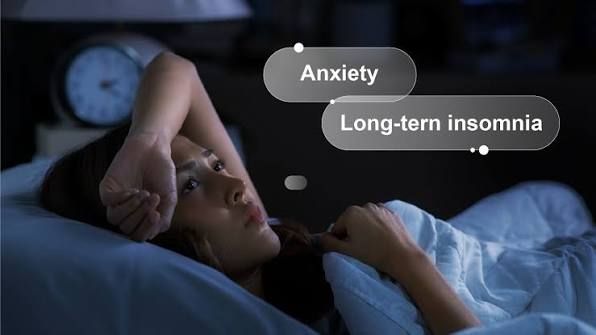
Quick Answer: Yes, psychological trauma profoundly alters your nightly sleep architecture. The short answer is that trauma keeps your autonomic nervous system locked in a survival loop, which prevents your brain from resting comfortably in deep, restorative sleep stages. To choose the right approach for your recovery, you must first understand how this physiological hyperarousal disrupts your sleep cycle and how you can track these trends to reclaim your nights.
For millions of people worldwide, laying down to sleep is not an invitation to rest; instead, it is a nightly confrontation with an invisible threat. When you live with the aftermath of trauma, the relationship between ptsd and sleep becomes a exhausting loop. You might feel bone-tired after a stressful day, yet the moment your head hits the pillow, your brain decides to wake up, racing with thoughts, past memories, and unexplained dread.
This is because trauma alters the brain’s internal alarm system. To understand how post traumatic stress disorder and sleep interact, we have to look closely at the autonomic nervous system. Your body relies on two main branches to regulate energy: the sympathetic nervous system (the “gas pedal” or fight-or-flight response) and the parasympathetic nervous system (the “brakes” or rest-and-digest response).
In a balanced body, the parasympathetic nervous system takes over as night falls. Your heart rate slows down, your core body temperature drops, and your cortisol (stress hormone) levels decline. This natural transition allows you to move smoothly through the light, deep, and REM sleep stages.
However, when you are managing the daily impact of ptsd and sleep issues, your sympathetic nervous system refuses to step down. Your brain’s amygdala—the emotion and threat processing center—remains hyperactive. It continues to scan your bedroom environment for threats, keeping your body flooded with trace amounts of adrenaline and cortisol. As a result, you spend most of your night in light, easily disrupted sleep, skipping the critical deep sleep stages that repair your muscles, clear waste from your brain, and restore your mental energy.
Tracking the Invisible: The Role of Heart Rate Variability (HRV)
Because these nervous system shifts happen automatically, they can be incredibly frustrating to navigate. You wake up feeling exhausted, with heavy brain fog, even if you thought you slept for seven or eight hours. How do you map what is happening beneath the surface?
The answer lies in monitoring Heart Rate Variability (HRV). HRV measures the tiny, millisecond variations in time between consecutive heartbeats. Contrary to what many believe, a healthy heart does not beat like a rigid metronome. When you are relaxed and your parasympathetic nervous system is active, these intervals vary constantly (resulting in a high HRV). When your body is under stress, anxious, or hypervigilant, your heart rate becomes highly regularized, meaning there is very little variation between beats (resulting in a low HRV).
By observing your overnight HRV, you can see exactly how well your body is coping with stress. A low overnight HRV trend is a clear, objective sign that your nervous system is struggling to calm down, even while you sleep. Tracking this metric over time allows you to identify what simple daily habits—such as somatic breathing, an earlier dinner, or screen-free winding down—actually help your nervous system shift back into balance.
When to Use (and Not Use) Biometric Sleep Tracking
Tracking your biometrics can be an empowering way to understand your body’s stress trends, but it is important to approach it with the right mindset:
- When to track your biometrics: Use tracking if you want to find objective trends in your sleep quality, monitor how your daily habits affect your overnight recovery, and learn what specific routines help your nervous system feel safe.
- When to avoid tracking: Do not rely on tracking if looking at sleep data makes you feel anxious, or if you find yourself worrying about getting a “perfect” score. The goal of wellness tracking is self-discovery and stress reduction, not perfection.
Finding Solutions: Restoring Balance
Improving your sleep hygiene when managing ptsd and sleep challenges goes far beyond typical advice like “avoid caffeine.” It requires showing your nervous system that it is safe to let go of its defensive posture.
One of the most effective ways to do this is to avoid screens in the hours leading up to bedtime. Not only does blue light suppress melatonin production, but the interactive, stimulating nature of social media or news alerts can trigger hyperarousal. To transition smoothly into sleep, consider incorporating somatic grounding practices, such as light stretching or box breathing, in a dimly lit, quiet room.
To monitor this journey without adding the stress of a glowing screen next to your bed, many wellness experts recommend using a screen-free smart wearable. The Herz P1 Smart Ring is designed specifically for this purpose. It is a lightweight, screen-free titanium ring that monitors your sleep stages (REM, Deep, Light) and overnight HRV without the distracting alerts or blue light of a traditional smartwatch. By converting complex algorithms into an easy-to-understand Daily Recovery Score, it helps you identify what patterns promote rest, all without monthly subscription fees.
Frequently Asked Questions About PTSD and Sleep
Q: Why does my HRV drop so low when I feel anxious?
A: When you experience anxiety, your brain activates the sympathetic nervous system, preparing your body for action. This state of fight-or-flight reduces the natural variation between your heartbeats, resulting in a lower HRV score.
Q: What is the relationship between trauma and sleep stages?
A: Trauma frequently reduces the amount of time you spend in deep sleep and highly fragments your REM sleep. This fragmentation prevents your body from completing its natural physical repair processes and leaves you feeling exhausted.
Q: Can a smart ring help me improve my sleep?
A: A smart ring provides objective, daily data on your sleep stages and HRV trends. By showing you how your body responds to different lifestyle choices, it allows you to identify and build habits that support long-term physical recovery.
The Nightmare Loop: What Causes Nightmares and Trauma-Induced Awakenings?
Perhaps the most distressing symptom of trauma is the nightmare loop. Many who struggle with ptsd insomnia find themselves waking up abruptly in the middle of the night, drenched in sweat, with their heart pounding. They are trapped in a cycle of vivid dreams and sudden awakenings, unable to return to sleep, leading to a profound sense of exhaustion and anxiety.
To understand why this happens, we must look at the neurobiology of Rapid Eye Movement (REM) sleep. During normal REM sleep, your brain processes the emotions, memories, and experiences of the day. In a healthy nervous system, norepinephrine—the neurotransmitter associated with stress and adrenaline—drops to its lowest daily levels during this phase. This chemical drop acts as an emotional buffer, allowing your brain to process challenging memories without experiencing the physical sensations of fear or panic.
However, when you try to sleep with ptsd, this emotional buffering system breaks down. Norepinephrine levels remain abnormally high during REM sleep. Because of this, when your brain attempts to process traumatic memories, it triggers a full physical survival response. You don’t just dream about a difficult experience; you physically re-experience it. Your heart rate surges, your blood pressure spikes, and your brain instantly pulls you out of sleep into a state of hypervigilance.
This survival response creates a deep fear of sleep itself. Because you associate going to bed with terrifying nightmares, you might find yourself avoiding sleep, staying up late scrolling on your phone, or relying on unhealthy habits to distract your mind. Unfortunately, this sleep deprivation leads to “REM rebound.” When your body is starved of sleep, it prioritizes REM sleep the next time you fall asleep, making your dreams even more intense and increases the frequency of ptsd sleep disruptions.
How to Break the Nightmare Loop:
- Establish a Worry-Journaling Routine: Spend 10 minutes writing down your thoughts and fears in a journal before you start your evening wind-down. This helps signal to your brain that these thoughts are safely stored outside your head.
- Practice Grounding Exercises Upon Waking: If a nightmare wakes you up at 3 AM, do not immediately check your phone. Instead, sit up, place your feet flat on the floor, and name five things you can see, four you can touch, three you can hear, two you can smell, and one you can taste to bring your focus back to the safety of the present moment.
- Cool Down Your Bedroom: Your body temperature naturally drops as you transition into deep sleep. Keeping your bedroom cool (around 65°F or 18°C) supports this natural physiological process, reducing the frequency of restless awakenings.
By implementing these gentle adjustments, you can gradually help your nervous system feel safer in the evening. But how do you know if these practices are working? That is where tracking your physical wellness trends over time becomes invaluable, providing clear, objective insights into your body’s recovery journey.
Breaking the Cycle: Empowering Your Recovery with Screen-Free Biometrics

When your sleep is regularly disrupted by trauma, you may also experience related sleep phenomena, such as sleep paralysis or intense hypnagogic jerks as you drift off. These experiences occur when your brain’s sleep-wake transition gets disrupted by a surge of stress hormones, leaving you feeling trapped between wakefulness and sleep. This fragmentation of sleep can leave you feeling frustrated, making it hard to find a sense of physical safety in your own bed.
To rebuild your rest, you need consistent, clear insight into your body’s stress and recovery trends. However, most modern health trackers are not designed with hypervigilance in mind. Traditional smartwatches are bulky, uncomfortable to sleep in, and require annoying daily charging. Worst of all, they feature bright, glowing screens that light up with notifications whenever you move your arm. If you struggle with nighttime hypervigilance, a flashing screen at 2 AM can instantly trigger a full stress response, worsening the very issue you are trying to manage.
The Screen-Free Revolution in Sleep Tracking
You do not need another glowing screen in your life, especially when you are trying to wind down. Embracing screen-free, lightweight tracking allows you to gather high-quality biometric data in complete comfort and quiet.
This is why a screen-free smart ring is such a powerful tool for trauma recovery. The **Herz P1 Smart Ring** offers an elegant, comfortable, and screen-free alternative. Crafted from ultra-light titanium, it slips onto your finger and goes completely unnoticed throughout the night. It does not vibrate, flash, or demand your attention. Instead, it quietly monitors your physical wellness behind the scenes.
When you wake up, the ring translates your overnight biometrics—such as your sleep stages (REM, Deep, Light) and HRV trends—into an intuitive Daily Recovery Score. This simple, actionable number tells you exactly how recovered your body is, without overwhelming you with complex, hard-to-read graphs.
Because the Herz P1 Smart Ring operates on a subscription-free model, you buy it once and own your data forever, avoiding the fatigue of hidden monthly costs. With its long-lasting battery, you won’t have to worry about charging it daily, making it a reliable partner on your wellness journey.
To systematically improve sleep quality after trauma, you need a gentle, screen-free way to listen to your body. By understanding your daily biometrics and building comforting, screen-free evening habits, you can show your nervous system that it is finally safe to rest.
Disclaimer: Results may vary depending on individual physical activity levels, unique health conditions, and daily tracking patterns. The Herz P1 Smart Ring and the information on Mind Body Dan are intended for educational and wellness tracking purposes only. They are not intended to diagnose, treat, or cure any psychological or physical health condition. Always consult with a qualified health professional regarding any medical concerns.
