

Is Sleeping with Pets Ruining Your Recovery? Benefits, Risks, and How to Share Your Bed Safely
Love cuddling with your pet, but waking up exhausted? While sleeping with pets provides immense comfort, it can silently disrupt your sleep stages and HRV. Our team at Mind Body Dan found tracking these biometrics with a screen-free wearable like the Herz P1 Smart Ring helps balance co-sleeping bliss with restorative rest.
Take Back Your Sleep.
Take Back Your Life.
- Fall asleep faster & sleep deeper
- Stop waking up in the middle of the night
- Wake up refreshed & full of energy
Key Highlights: Sharing a Bed with Your Pet
- Dual-Edged Comfort: While sleeping with pets reduces bedtime anxiety and releases oxytocin, it introduces movement that can fragment sleep.
- The Biometric Reality: Micro-arousals caused by a pet shifting can drop you out of deep sleep and lower your Heart Rate Variability (HRV).
- Allergen & Hygiene Concerns: Dander and outdoor pollen carried by pets can inflame airways, leading to light, non-restorative sleep.
- Actionable Metrics: Utilizing a low-profile, screen-free smart ring helps you identify whether sharing your bed is impacting your recovery score.
The Scientific Reality of Sleeping with Pets: Do the Benefits Outweigh the Risks?

Quick Answer
Yes, but with caveats. The short answer is that sleeping with pets can be highly beneficial for mental well-being and stress reduction. However, to choose the right sleep arrangement, you need to understand how animal sleep cycles, physical movements, and allergens interact with your unique physiology and sleep architecture.
Detailed Explanation
For centuries, humans have shared their sleep spaces with animals. Historically, the practice of sleeping with pets was born out of survival—providing warmth and protection. Today, it is driven by emotional attachment. When we cuddle next to our companions, our brains release oxytocin, the “bonding hormone,” while simultaneously reducing cortisol, our primary stress hormone. This shift promotes autonomic nervous system regulation, easing a racing mind and helping you transition from a state of hyperarousal into a restful, parasympathetic state.
However, the clinical picture is more nuanced. Human sleep is structured around distinct 90-minute sleep cycles consisting of Light, Deep, and REM (Rapid Eye Movement) stages. Our pets, on the other hand, have different sleep architectures. Dogs are polyphasic sleepers, meaning they experience multiple sleep-wake episodes throughout the night, whereas cats are nocturnal or crepuscular, meaning they are naturally active during twilight hours.
When you are optimizing sleep hygiene, consistency is key. When a pet stands up, circles, scratches, or dreams actively beside you, it triggers “micro-arousals”—brief awakenings lasting only seconds that you may not even remember in the morning. Despite not remembering these disruptions, your brain is jolted out of restorative deep sleep back into light sleep. Over time, these cumulative interruptions can leave you experiencing chronic non-restorative sleep, brain fog, and midday fatigue.
When to Share a Bed vs. When to Keep Pets Out
Sharing your bed with a companion animal isn’t a one-size-fits-all decision. To protect your sleep quality, consider your physical and physiological needs:
- Share the Bed If: You experience mild bedtime anxiety, feel isolated, find that the physical warmth of your pet helps you relax, or have verified through biometric tracking that your recovery scores remain high.
- Keep Pets Out If: You are a light sleeper, suffer from moderate-to-severe allergies or asthma, have a pet that is highly active at night, or consistently wake up feeling unrefreshed with unexplained dips in your Heart Rate Variability (HRV).
How a Screen-Free Smart Ring Can Help
If you suspect that your nocturnal cuddles are compromising your rest, guessing won’t help you solve the puzzle. Traditional smartwatches can be bulky, uncomfortable to sleep in, and their bright screens can introduce additional sleep disruptions.
At Team Mind Body Dan, we recommend transitioning to a screen-free, lightweight option like the Herz P1 Smart Ring. Crafted from premium, ultra-lightweight titanium, it monitors your sleep stages (REM, Deep, Light) and your cardiovascular health metrics without the distraction of an interactive screen or the annoyance of daily charging. Its sophisticated, subscription-free software translates complex biometric algorithms into an intuitive Daily Recovery Score, allowing you to objectively see how sleeping with pets affects your body’s restorative processes.
Frequently Asked Questions
Is sleeping with pets safe for individuals with mild allergies?
It depends on your sensitivity. If you suffer from mild allergies, keeping your pet in the bed can trap dander in your sheets and mattress, worsening airway irritation. If you choose to share the bed, using a high-efficiency particulate air (HEPA) filter and washing bedding weekly in hot water is essential.
Do dogs or cats disrupt sleep more?
Typically, cats disrupt sleep more due to their crepuscular nature, which makes them highly active in the early morning hours. Dogs are generally more aligned with human circadian rhythms, though large dogs who move frequently can still cause significant physical disturbance.
Can sleeping with pets improve mental health?
Yes. The security and comfort of sharing a bed with a pet can stimulate the release of oxytocin and dopamine, which lowers anxiety and supports emotional regulation, helping to calm a racing mind before sleep.
How Sharing a Bed with Dogs and Cats Impacts Your Biometrics

When we look at the physical relationship between sleeping with pets and your body’s restorative functions, we have to look past the subjective feeling of comfort. You might feel cozy and secure when you have overcoming morning fatigue, but what do your autonomic nervous system and cardiovascular biometrics actually show?
— Team Mind Body Dan Biometric Analysis
The Hidden Toll of Micro-Arousals on Sleep Stages
Our sleep is divided into light, deep (slow-wave), and REM sleep. Each stage serves a critical biological purpose. Deep sleep is when physical restoration occurs—tissues repair, growth hormones are released, and the immune system strengthens. REM sleep supports cognitive restoration, memory consolidation, and emotional processing.
When you are sleeping with dogs or cats, even minor movements can disrupt these stages. If your dog shifts weight, or your cat jumps off the bed, your brain registers the movement. Although you do not fully wake up to consciousness, your brainwaves spike into an “active” state, forcing you out of deep slow-wave sleep back into light sleep.
The table below outlines how these frequent disruptions alter your nightly sleep architecture:
| Sleep Stage | Biological Function | Impact of Pet Disturbance |
|---|---|---|
| Light Sleep | Transition stage; muscle relaxation. | Increased percentage of the night spent here as a result of micro-arousals. |
| Deep Sleep | Cellular repair, physical recovery, immune defense. | Reduced duration. Brain gets repeatedly knocked back into light sleep before completing a full deep cycle. |
| REM Sleep | Cognitive health, emotional processing, creative synthesis. | Truncated or fragmented cycles, leading to brain fog and emotional reactivity the next day. |
Understanding Sleep and Dogs: Heart Rate Variability (HRV)
As biometric science experts, we pay close attention to Heart Rate Variability (HRV). HRV is the measure of the variation in time between each heartbeat, regulated by the autonomic nervous system. A high HRV indicates your body is resilient, recovered, and in a state of balance. A low HRV indicates stress, fatigue, and an overactive sympathetic nervous system (your “fight-or-flight” response).
When you experience a restful, uninterrupted night, your parasympathetic nervous system dominates, and your HRV naturally rises. However, when you are sleeping with dogs that snore, move, or occupy a large portion of the bed, your body remains on mild alert. Each micro-arousal keeps your heart rate slightly elevated and prevents your HRV from reaching its restorative peak. This explains why, after you have understanding Heart Rate Variability (HRV) and tracking your trends, you might notice your Recovery Score remains low despite being in bed for eight hours.
Biometric Insight: The Oxytocin vs. Cortisol Balance
While pet contact reduces evening cortisol, overnight movement can keep your body in a low-grade sympathetic state. This means that while benefits of sleeping with your dog include faster sleep onset due to emotional safety, the overall depth of your sleep may be compromised. Identifying this balance is key to optimizing your health.
Microenvironment Disruptions: Allergens and Temperature
Beyond motion, sleeping with pets alters your immediate sleep environment. Animals run warmer than humans, with core body temperatures typically hovering around 101 to 102.5°F. To achieve deeper sleep stages, your core body temperature must drop by 1 to 2 degrees. Having a warm animal resting against you can raise your microenvironment’s temperature, leading to night sweats and fragmented sleep.
Furthermore, pets carry allergens, dust, and dander into the bed. Even if you do not have severe allergies, breathing in micro-allergens overnight can cause low-grade airway inflammation. This chronic congestion increases upper airway resistance, leading to subtle breathing disruptions and preventing your brain from entering deeper cycles of rest.
Practical Tips to Share a Bed Safely and Reclaim Your Rest
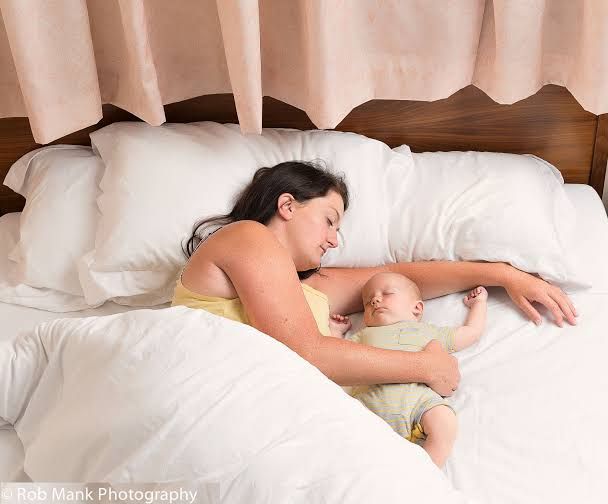
If you love your companion and cannot imagine your night without them, you do not have to banish them from your room immediately. By understanding the science of sleep and dogs (or cats), you can establish healthy boundaries that protect your relationship and your recovery.
1. Establish a Designated Pet Territory in the Bed
Do not allow your pet to sleep directly against you or near your head, where dander exposure is highest. Instead, train them to sleep in a designated spot, preferably at the foot of the bed. You can place a specific, comfortable pet blanket in that corner to establish clear physical boundaries.
If you have always aligning your circadian rhythm, setting physical boundaries helps prevent motion transfer while allowing you to enjoy their comforting presence.
2. Upgrade Your Bedding and Manage Motion Transfer
If you share a bed with a medium or large dog, motion transfer is your greatest enemy. Standard mattresses transfer every toss and turn directly to your body. Consider upgrading to a pocket-sprung mattress with memory foam or natural latex, which isolates movement. Choosing a larger mattress size, such as a King or California King, can also make a significant difference.
3. Implement a Strict Post-Outdoor Cleaning Routine
To minimize allergen exposure, wipe down your pet’s paws and coat with a damp, pet-safe cloth after outdoor walks. Regularly grooming your pet and washing your bedding in hot water once a week will prevent dander and pollen from building up in your bed.
The Screen-Free Tracking Revolution
Using a screen-free bedtime routine is one of the most effective ways to lower sleep-onset latency. However, tracking your sleep shouldn’t mean adding another screen to your life. Discover how the Herz P1 Smart Ring offers medical-grade biometric insight without the distraction of notifications or bright displays.
4. Use Objective Data to Guide Your Setup
How do you know if these adjustments are actually working? This is where biometric technology becomes invaluable. By monitoring metrics like Sleep Stages (Deep and REM cycles) and nocturnal HRV, you can run simple experiments.
Try tracking your sleep for a week with your pet in bed, and then track for a week with your pet sleeping on a separate pet bed in your room. Comparing these two weeks of data using a comprehensive wearable device guide will show you how sleeping with pets impacts your recovery, helping you make an informed decision based on your body’s needs.
If you’re looking for an elegant, subscription-free tracker, the Herz P1 Smart Ring is an ideal choice. It offers detailed biometric analysis without subscription fatigue, helping you make data-driven adjustments to your sleep hygiene. It translates complex metrics into a simple, actionable recovery score, allowing you to easily understand your sleep patterns.
Ultimately, by combining simple adjustments with precise tracking, you can find the perfect balance—reclaiming your physical and mental energy while enjoying the comforting presence of your beloved pet.
Deciphering Your Sleep Stages
Interested in learning more about your sleep patterns? Check out our guide on deciphering sleep cycles to see how deep, REM, and light sleep work together to restore your energy every night.
Disclaimer: Results may vary depending on individual physical activity levels, unique health conditions, and daily tracking patterns. This content is for informational purposes only and is not intended to track, monitor, or analyze specific medical conditions.
