

Why Do You Wake Up Shivering at Night? Causes, Science, and Solutions
Waking up shivering at night can be deeply unsettling, leaving you exhausted and anxious. This phenomenon often points to underlying disruptions in your autonomic nervous system, core temperature regulation, or sleep architecture. By tracking these biometrics with a screen-free Herz P1 Smart Ring, you can pinpoint recovery gaps and reclaim restful, worry-free sleep.
Take Back Your Sleep.
Take Back Your Life.
- Fall asleep faster & sleep deeper
- Stop waking up in the middle of the night
- Wake up refreshed & full of energy
Quick Navigation:
1. Understanding Shivering at Night: The Science of Nocturnal Thermoregulation
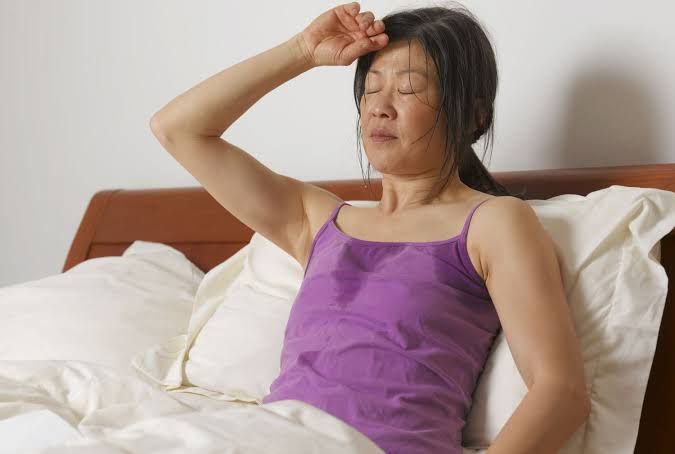
Quick Answer: Yes, waking up shivering at night is a common bodily response, but its root cause depends heavily on your physiological state. The short answer is that nocturnal shivering is typically caused by rapid core body temperature drops, hormonal fluctuations, autonomic nervous system activity, or immune responses. However, to choose the right lifestyle adjustments or tracking tools, you need to understand the underlying biometric triggers behind these nocturnal disruptions.
When you experience shivering at night, your body is executing an involuntary muscular reflex designed to generate heat. Your hypothalamus, which serves as your internal thermostat, continuously balances heat production and dissipation. During a normal circadian cycle, your core body temperature naturally dips by 1 to 2 degrees Fahrenheit in the early morning hours to facilitate deep sleep. However, when this natural cooling is accelerated or disrupted, you may find yourself suddenly feeling cold and shaking at night.
This rapid shift in temperature is frequently accompanied by chills and sweats. If your body is fighting off a subclinical pathogen, your hypothalamus raises its target temperature setpoint. Suddenly, your normal skin temperature feels freezing by comparison, leading to uncontrollable shivering at night as your skeletal muscles contract to bridge the thermal gap. Conversely, as your body tries to dump heat to match a lower setpoint, you may suffer from cold sweats while sleeping, waking up damp and freezing as the moisture evaporates from your skin.
Another common physiological culprit is nocturnal hypoglycemia. If your blood glucose drops significantly during the night, your body releases emergency hormones like adrenaline and cortisol. This hormonal surge causes rapid vasoconstriction, leading to cold extremities, sweating, and shaking. Understanding these complex inner workings is the first step toward reclaiming your night. Instead of relying on guesswork, tracking your sleep architecture with a screen-free smart ring allows you to monitor how these physiological events impact your daily recovery.
When to Monitor at Home vs. Seek Medical Advice
When to Self-Monitor: If your shivering at night occurs occasionally, is linked to a cold bedroom, a stressful week, or minor post-workout recovery, it is highly suitable for lifestyle adjustments and biometric tracking.
When to See a Professional: If your uncontrollable shivering at night is accompanied by a persistent high fever, unexpected weight loss, severe shortness of breath, or chronic drenching sweats, consult a medical professional immediately to rule out underlying clinical conditions.
To address these disruptions constructively, we must look beyond basic symptoms. Many people attempt to resolve sleep issues by piling on heavy blankets, only to wake up overheated and sweating hours later. A more sustainable approach involves stabilizing your bedroom temperature to a steady 65 to 68 degrees Fahrenheit, avoiding heavy or high-sugar meals close to bedtime, and monitoring your body’s cardiovascular responses during sleep using medical-grade biometric sensors.
2. The Interplay of Core Temperature, Pain, and Muscle Recovery
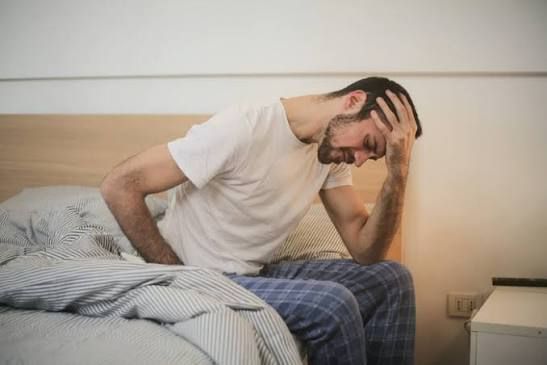
When you suffer from shivering at night, your muscular system is often working in overdrive. Many active individuals or busy professionals find themselves waking up with both cold chills and muscle stiffness. During intensive training or physically demanding workdays, your body undergoes micro-tears in muscle fibers and rapidly depletes glycogen reserves. This metabolic strain can trigger low-grade, localized muscular inflammation, which is highly linked to autonomic temperature sensitivity while sleeping.
If you fall asleep in a state of deep physical exhaustion, your autonomic nervous system may struggle to balance your body’s recovery. As blood is diverted away from your skin’s surface and toward your internal organs to facilitate deep tissue repair, you may wake up suddenly feeling cold and shaking at night. Because your skeletal muscles are already fatigued, this shivering can result in morning muscle aches and severe stiffness, frustrating your attempts at a healthy, active lifestyle.
This physical depletion often leads to a cycle of poor sleep quality, where you drift through shallow sleep stages instead of reaching deep, restorative slow-wave sleep. Deep sleep is the phase during which your pituitary gland secretes human growth hormone (HGH) to rebuild muscles and soothe inflammation. If nocturnal temperature drops interrupt this cycle, you will inevitably suffer from morning brain fog and physical exhaustion. Keeping track of your sleep stages—REM, Deep, and Light sleep—is essential for understanding if you are actually resting or just spending time in bed.
— Team Mind Body Dan Member
Traditional smartwatches can track some of these metrics, but sleeping in a bulky wristband is uncomfortable and can cause its own set of micro-arousals. For those looking for a seamless way to track these patterns, monitoring your cardiovascular trends with an elegant titanium smart ring offers a highly comfortable, non-intrusive alternative. Because it sits snugly on your finger, where capillary blood flow is exceptionally strong, a smart ring provides incredibly precise biometric feedback without disrupting your sleeping comfort.
Did You Know?
During REM (Rapid Eye Movement) sleep, your body temporarily loses much of its ability to thermoregulate. If you experience cold microclimates in your bedroom during REM cycles, your body cannot easily initiate mild shivering to adjust. Instead, you may wake up abruptly, transitioning straight from a dream state into severe, uncontrollable shivering at night as your brain tries to rapidly restore warmth.
3. Stress, Insomnia, and the Autonomic Nervous System Connection
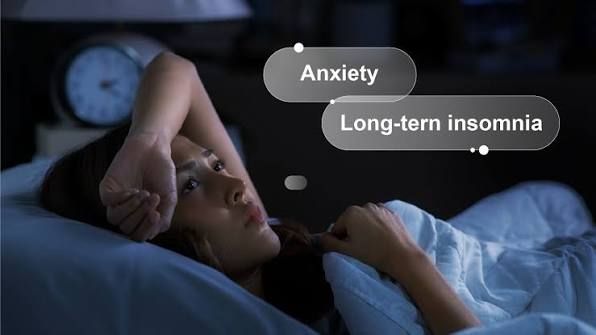
Your mental state has a direct, physical channel to your thermal comfort. Chronic daily stress, a racing mind before bed, or a pattern of 3 AM awakenings keep your sympathetic nervous system—your “fight-or-flight” response—hyperactive. Under normal conditions, your autonomic nervous system should shift smoothly into the parasympathetic, “rest-and-digest” state as you fall asleep, slowing your heart rate and allowing your peripheral blood vessels to dilate.
However, when stress dominates, elevated levels of cortisol and adrenaline cause your blood vessels to constrict, redirecting warm blood away from your skin and extremities toward your core muscles. This vasospasmodic reaction is why you might experience cold sweats while sleeping or find yourself suddenly feeling cold and shaking at night, even underneath warm bedding. These stressful micro-arousals can shatter your sleep architecture, turning what should be a peaceful evening into an exhausting cycle of chills and sweats.
To accurately assess this autonomic stress, biophysicists rely on a highly sensitive cardiovascular metric: Heart Rate Variability (HRV). HRV measures the tiny variations in milliseconds between consecutive heartbeats. A high HRV indicates a flexible, resilient nervous system that has transitioned successfully into a restorative state. Conversely, a consistently low HRV indicates high stress, systemic fatigue, and a body struggling to recover, making you far more susceptible to nocturnal shivering at night.
If you are tired of waking up exhausted, feeling stressed, and unable to pinpoint why, you are not alone. Many people become overwhelmed by complicated, hard-to-read health charts. Our team believes that wellness data should be simple and directly useful. This is why we recommend checking your recovery state with a Herz P1 daily recovery score. This score translates complex biometric algorithms into a single, straightforward indicator, letting you know exactly how well your body has recharged each night.
A Screen-Free Solution to Sleep Tracking
Many smartwatches keep you hooked to screens with constant notifications, buzzing alerts, and bright displays that disrupt your melatonin production right before sleep. They also require annoying daily charges, leaving you without data when the battery dies overnight.
The Herz P1 Smart Ring offers a different approach. Crafted from ultra-lightweight titanium, it tracks your sleep stages, HRV, and daily recovery without a screen, distracting notifications, or hidden monthly fees.
By using a subscription-free sleep tracker like the Herz P1, you can identify which adjustments truly calm your autonomic nervous system. Whether it is adjusting your bedroom’s temperature, practicing breathwork, or cutting out late-night screen time, you will have objective biometric proof to guide your wellness journey. You don’t need a bulky wrist device to take charge of your health—simply slip on a sleek, comfortable ring and let its advanced sensors do the work.
4. Frequently Asked Questions
Why do I experience shivering at night even when my bedroom is warm?
If your room is warm but you are still shivering, your hypothalamus has likely raised its internal temperature setpoint, which often happens when your body is fighting a mild infection. Alternatively, a rapid drop in blood sugar or a sudden surge of adrenaline from a bad dream can trigger vasoconstriction, making you feel cold and start shaking despite warm surroundings.
Can high stress cause cold sweats while sleeping?
Yes. When your mind is racing and your stress levels are high, your sympathetic nervous system remains active. This keeps your body in a persistent “fight-or-flight” state, releasing stress hormones like cortisol that trigger vasoconstriction, cold sweating, and shivering as you sleep.
Is a smart ring as accurate as a smartwatch for sleep tracking?
For sleep, recovery, and heart rate tracking, smart rings can be exceptionally precise. The blood vessels in your fingers are closer to the skin’s surface than those in your wrist, allowing optical sensors to capture highly accurate HRV and sleep stage data. Plus, their lightweight, screen-free design makes them much more comfortable to sleep in than bulky smartwatches.
Are there any limitations to using a smart ring?
While smart rings are incredibly convenient for daily wellness, sleep, and recovery tracking, they are less suited for high-intensity, wrist-intensive training like heavy weightlifting or gymnastics, where gym equipment can scratch the ring’s outer casing. For 24/7 recovery monitoring and peaceful sleep tracking, however, they are an excellent, screen-free alternative.
Investing in your health with a premium health tracker ring like the Herz P1 helps you cut through the noise. It provides you with clear, science-backed insights into your recovery, helping you understand your body’s signals so you can put an end to restless, shivering nights.
Disclaimer: Results may vary depending on individual physical activity levels, unique health conditions, and daily tracking patterns. This content is intended for informational and educational purposes only and is not a substitute for professional medical advice, diagnosis, or treatment. Always consult with a qualified healthcare provider before making significant changes to your sleep, exercise, or recovery routines.
