

Is Sleep Talking Ruining Your Recovery? Why Do People Talk in Their Sleep and How to Stop It
Do you wake up exhausted, battling a racing mind and brain fog, only to find out you were vocalizing all night? This common parasomnia, known as sleep talking, is often a sign of underlying physiological stress and fragmented sleep stages. By tracking metrics like HRV with a screen-free wearable like the Herz P1 Smart Ring, you can naturally optimize your recovery and reclaim restful nights.
Take Back Your Sleep.
Take Back Your Life.
- Fall asleep faster & sleep deeper
- Stop waking up in the middle of the night
- Wake up refreshed & full of energy
Key Takeaways
- Unconscious Vocalization: Sleep talking, or somniloquy, can occur in both REM and NREM sleep stages, often reflecting fragmented sleep transitions.
- Autonomic Nervous System Strain: High daytime stress lowers your Heart Rate Variability (HRV), triggering micro-arousals that facilitate verbal outbursts.
- The Tracking Pitfall: Traditional bulky smartwatches can disrupt your rest further with bright screens and incoming notifications.
- A Screen-Free Path: The Herz P1 Smart Ring offers a lightweight, subscription-free, titanium option to track sleep stages, HRV, and overall recovery.
Demystifying Sleep Talking: What Science Tells Us About Somniloquy

Quick Answer: Yes, sleep talking is highly common and usually benign. The short answer is that it is a harmless parasomnia known as somniloquy, often catalyzed by acute stress, fatigue, or minor disruptions in your daily rhythm. However, to choose the right behavioral adjustments or supportive tracking tools, you need to understand the physiological pathways that govern this behavior.
Historically, sleep talking was viewed with superstition or curiosity, but modern neuroscience has revealed that it is a direct window into our sleep architecture. When we transition between the distinct stages of sleep, our brain acts as a gatekeeper. During normal Rapid Eye Movement (REM) sleep, motor signals are blocked by a process called muscle atonia—essentially, a natural paralysis that prevents us from physically acting out our dreams.
However, during episodes of talking in sleep, a temporary “motor breakthrough” occurs. This is especially prevalent in Non-Rapid Eye Movement (NREM) sleep stages (typically light sleep), where the vocal tract is not completely locked down. Instead of smooth, uninterrupted transitions from light to deep sleep, your brain experiences micro-arousals. These tiny, fractions-of-a-second awakenings prompt vocal cords to vibrate, leading to the mumbling, whispering, or clear sentences that partners often report.
For many individuals, sleep talking is highly prevalent during periods of physical exhaustion or emotional overload. When the autonomic nervous system is strained, the natural sequence of REM, Deep, and Light sleep becomes fragmented. Understanding these subtle biological shifts is crucial. If your body isn’t spending sufficient time in restorative deep sleep, your physiological resilience plummets, leaving you vulnerable to daytime brain fog and chronic fatigue.
When to Monitor Your Nighttime Patterns
Self-identifying your physiological needs is the first step toward reclaiming your energy. If your nocturnal vocalizations are occasional, quiet, and leave you feeling fully refreshed in the morning, they are likely a benign response to a busy day or a late-night meal. In these cases, simple tracking and minor lifestyle tweaks are all that is required.
Conversely, you should pay closer attention if your sleep talking is accompanied by gasping, thrashing, daytime sleepiness, or frequent 3 AM awakenings with a racing mind. These symptoms suggest that your sleep quality is actively suffering. Monitoring your biometrics under these circumstances provides invaluable baseline insights, helping you connect your daytime stress directly to your nighttime vocalizations.
Targeted Solutions for Silent Recovery
To address the roots of sleep talking, we must focus on calming the nervous system before bedtime. Standard solutions include establishing a structured evening wind-down routine, avoiding heavy meals before bed, and implementing screen-free periods. However, making these changes blindly can lead to frustration if you cannot measure their effectiveness.
This is where the Herz P1 Smart Ring excels. By tracking your sleep stages and Heart Rate Variability (HRV) without the annoying distraction of a glowing screen, it delivers clear, actionable recovery data. This elegant, titanium ring lets you monitor your physical response to lifestyle changes in real-time, helping you cultivate deep, restorative, and silent sleep.
Quick Somniloquy FAQ
Q: Is sleep talking a medical emergency?
A: No. It is generally a harmless parasomnia. It only warrants medical attention if it is accompanied by violent physical behaviors, loud snoring, or intense daytime fatigue.
Q: Why do I only talk in my sleep when stressed?
A: Stress elevates sympathetic activity (“fight or flight”), causing frequent micro-arousals that break the natural paralysis of sleep, facilitating vocalizations.
Q: Can a smart ring detect my sleep talking directly?
A: While smart rings do not record audio, they track the physiological indicators of fragmented sleep—such as sudden heart rate spikes, low HRV, and light sleep transitions—allowing you to pinpoint when your sleep is being disrupted.
The Hidden Triggers: Why Do People Talk in Their Sleep?
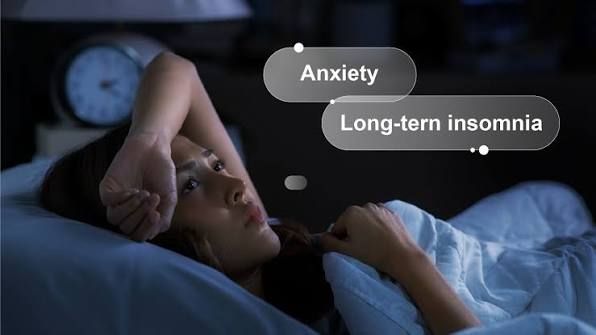
Consider this common emotional struggle: You slide into bed after a long, exhausting workday. You are desperate for rest, yet your racing mind refuses to shut down. You lie there for what feels like hours, watching the clock tick past midnight, trapped in a loop of stressful thoughts. When you finally drift off, your rest is shallow and interrupted by sudden 3 AM awakenings. The next morning, you wake up with an intense brain fog, only to have your partner mention that you were vocalizing, muttering, or talking in their sleep throughout the night.
This frustrating cycle is a classic indicator of non-restorative sleep, where the body fails to enter and remain in the deeper, healing stages of rest. But what are the concrete, physiological causes of sleep talking? Let’s explore the primary triggers that disrupt your sleep architecture:
- Severe Sleep Deprivation: When you consistently miss out on high-quality sleep, your “sleep debt” increases. This forces your brain to compress sleep stages, leading to erratic transitions and parasomnias.
- Chronic Emotional and Mental Stress: High cortisol levels keep your autonomic nervous system in a state of hyper-arousal, preventing your brain from settling into deep, uninterrupted slow-wave sleep.
- Alcohol and Heavy Late-Night Meals: While alcohol can make you feel drowsy initially, it severely fragments your sleep in the second half of the night, leading to lighter sleep stages and more frequent verbal outbursts.
- Elevated Core Body Temperature: Fevers, minor illnesses, or sleeping in an overly warm bedroom can disrupt normal metabolic drop-offs during sleep, resulting in vivid dreams and restlessness.
- Subtle Genetic Dispositions: Studies show that vocalizing during sleep can run in families, suggesting a natural neurological predisposition toward higher motor activity during sleep.
— Team Mind Body Dan
If you are struggling to pinpoint the exact causes of sleep talking in your own life, analyzing your daily recovery trends is essential. Your autonomic nervous system is divided into two branches: the sympathetic (“fight or flight”) and the parasympathetic (“rest and digest”). When the sympathetic branch is overly active due to chronic stress, your resting heart rate increases and your HRV decreases.
A lower HRV indicates that your body is locked in stress-response mode, even while you are asleep. Without adequate parasympathetic dominance, you hover in light sleep stages rather than sinking into deep, silent sleep. Historically, tracking these vital metrics required wearing bulky, uncomfortable smartwatches that flash annoying notifications and require daily charging—often creating more bedtime anxiety. Fortunately, modern biometric technology offers a much more comfortable, screen-free alternative.
How to Stop Sleep Talking: Practical Steps and Screen-Free Tracking

Overcoming sleep talking and stabilizing your nocturnal rest requires a mix of practical, daily sleep hygiene and non-invasive biological tracking. By addressing both your mental state and your sleeping environment, you can significantly reduce the frequency of sleep talking. Here are the most effective, science-backed habits to implement:
- Establish a Rigid Circadian Rhythm: Go to sleep and wake up at the exact same time every day, including weekends. Consistency anchors your internal biological clock, smoothing out the transition periods between NREM and REM stages where sleep talking typically occurs.
- Cultivate a Calming Wind-Down Ritual: Dedicate the final 60 to 90 minutes of your day to screen-free relaxation. Reading, gentle stretching, or journaling helps quiet your mind and prepares your nervous system for sleep.
- Optimize Your Sleeping Environment: Ensure your bedroom is pitch-black, silent, and cool (ideally between 60°F and 67°F). This temperature range facilitates the natural drop in core body temperature required for deep, deep sleep.
- Minimize Stimulants and Sedatives: Avoid consuming caffeine in the afternoon and skip alcohol in the evening. Both disrupt your natural sleep architecture and provoke disrupted sleep patterns.
The Screen-Free Way to Better Sleep
Ditch the bulky, glowing smartwatches that buzz and interrupt your night. Reclaim your silent, restful sleep with a lightweight, titanium smart ring designed to work quietly in the background.
While following these hygiene tips is vital, tracking your progress objectively is how you ensure long-term success. Many health-conscious consumers find traditional wrist-worn trackers cumbersome to wear to bed. Their bulky shape can snag on sheets, and their bright screens can wake you up, ironically provoking more nocturnal vocalizations. Additionally, subscription fatigue has left many weary of paying monthly fees just to access their own health data.
The Herz P1 Smart Ring resolves these common pain points seamlessly. Crafted from durable, ultra-lightweight titanium, it fits comfortably on your finger, completely free of screens, vibrations, or blue-light emissions. It silently monitors your vital biometrics throughout the night, using medical-grade sensors to map your Sleep Stages (REM, Deep, Light) and track your HRV trends.
Best of all, the Herz P1 is entirely subscription-free—meaning you buy it once and own your physiological data forever. Instead of overwhelming you with hard-to-read graphs, it translates complex algorithms into a single, highly intuitive Daily Recovery Score. This allows you to easily see how lifestyle adjustments—like skipping that evening glass of wine or practicing deep breathing—directly improve your sleep depth and quiet your nighttime vocalizations.
How the Herz P1 Optimizes Your Sleep Recovery
- Precise Sleep Stage Mapping: Ensure you are getting enough deep and REM sleep to eliminate erratic stage transitions.
- HRV Trend Analysis: Spot patterns showing when stress levels are elevated before bed, letting you take preventative action.
- No Hidden Costs: Enjoy comprehensive biometric trends with a buy-once, own-forever, subscription-free model.
- Unrivaled Comfort: Slip on a sleek, featherlight titanium ring that feels entirely unnoticeable while you sleep.
By monitoring these subtle internal trends, you can stop guessing and start knowing exactly what your body needs to rest peacefully. Reclaiming your mornings from brain fog, fatigue, and restless nights starts with simple, screen-free self-awareness.
Disclaimer: Results may vary depending on individual physical activity levels, unique health conditions, and daily tracking patterns. The Herz P1 Smart Ring and the advice provided by Team Mind Body Dan are intended for informational, lifestyle-tracking, and general wellness purposes, and do not constitute clinical medical advice.
