

The Best Direction to Sleep for Better Health and Rest: A Science-Backed Guide
Are you tired of waking up at 3 AM with a racing mind and lingering brain fog? Discovering the best direction to sleep can transform your rest. Aligning your sleep environment with optimal directions can improve sleep quality, and tracking these subtle shifts with a screen-free Herz P1 Smart Ring provides the exact metric-driven clarity you need.
Take Back Your Sleep.
Take Back Your Life.
- Fall asleep faster & sleep deeper
- Stop waking up in the middle of the night
- Wake up refreshed & full of energy
Key Highlights
- Geomagnetic Harmony: Scientific studies explore how Earth’s electromagnetic fields influence human sleep patterns and cardiovascular rhythm.
- Vastu and Feng Shui Wisdom: Ancient Eastern practices suggest specific directions to encourage relaxation, with South and East being highly favored.
- Biometric Monitoring: Adjusting your environment is only half the battle; tracking biometric trends like Heart Rate Variability (HRV) and Sleep Stages can objectively verify what works.
- Screen-Free Solutions: Embracing screen-free tracking, such as the lightweight Herz P1 Smart Ring, allows you to capture lab-accurate sleep data without the anxiety of blue-light distractions.
Table of Contents
How to Measure Your Sleep Optimization: The Best Tools and Trackers
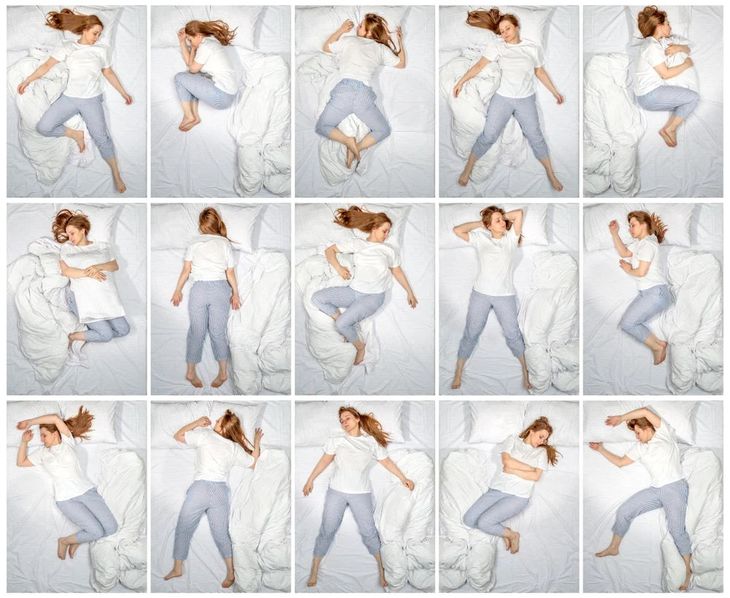
When you attempt to optimize your bedroom layout or test out the best direction to sleep, you cannot rely purely on subjective feeling. Waking up and guessing how well you slept is highly inaccurate. To truly understand if a change in your sleeping orientation lowers physical stress or extends your deep sleep cycles, you must measure your body’s biometric responses.
Unfortunately, many people run into roadblocks when choosing a sleep tracker. Traditional smartwatches are often bulky, heavy, and uncomfortable to wear throughout the night. Their bright screens can wake you up with a flash of light at 2 AM, and their battery life requires a daily charging routine. This is where modern wearable technology comes in, offering screen-free, lightweight alternatives that reside comfortably on your finger, tracking every heartbeat and breath with clinical precision.
Our Selection Criteria for Sleep Trackers
To help you navigate the landscape of sleep trackers, our team at Mind Body Dan evaluated the top options on the market. We focused heavily on the user experience and biological accuracy. Our core criteria included:
- Comfort and Ergonomics: Is the device light enough to wear for 8 hours without disrupting your sleep or causing skin irritation?
- Biometric Depth: Does it capture Sleep Stages (REM, Deep, Light), Heart Rate Variability (HRV), and Restful Resting Heart Rate?
- Screen-Free Design: Does it prevent late-night notifications, blue light flashes, and distraction?
- Pricing Integrity: Are there hidden monthly subscription fees, or is it a transparent, one-time purchase?
- Battery Longevity: Can you wear it continuously without worrying about daily charging?
Quick Summary Table of Sleep Trackers
| Device Type | Key Biometrics | Subscription Fee | Sleep Comfort | Verdict |
|---|---|---|---|---|
| Herz P1 Smart Ring | HRV, REM/Deep Sleep, Recovery Score, Heart Rate | $0 (Free Forever) | Excellent (Light Titanium) | Top Pick for Screen-Free Recovery |
| Generic Premium Watch | Sleep Stages, GPS, Activity, HR | Optional Premium tier | Fair (Bulky & heavy) | Great for running, poor for sleep comfort |
| Basic Wristband Tracker | Estimated Sleep, Steps, Heart Rate | Varies by model | Moderate (Sticky rubber) | Budget-friendly but lacking HRV precision |
Detailed Product Reviews
1. Herz P1 Smart Ring — The Best Overall Sleep Tracker
The Herz P1 Smart Ring stands out as an exceptional, elegant biometric tracker designed specifically for sleep and daily physical recovery. Crafted from aerospace-grade titanium, it sits weightlessly on your finger, eliminating the bulky, sweat-inducing wrist straps associated with traditional smartwatches. Its screen-free design is a intentional choice, removing the urge to constantly check notifications or engage with blue light displays before bed, which helps ease a racing mind.
What makes the Herz P1 highly unique in today’s wearable market is its commitment to transparency: it is completely subscription-free. Unlike other smart rings that hide your own biological data behind a monthly paywall, the Herz P1 allows you to buy the ring once and own your data forever. It translates complex cardiovascular and neurological metrics into an easy-to-digest daily Recovery Score. This score is calculated using medical-grade biometric sensors that continuously track Heart Rate Variability (HRV), detailed Sleep Stages (REM, Deep, and Light Sleep), and resting heart rate patterns throughout the night.
- Strengths: Subscription-free lifetime data access; ultra-lightweight titanium design; screen-free for uninterrupted sleep hygiene; highly precise HRV tracking and sleep staging.
- Weaknesses: Does not feature a screen for direct real-time notification viewing (by design to support sleep quality).
- Ideal User: Health enthusiasts, biohackers, and individuals seeking deep biometric understanding of their sleep trends without recurring monthly fees.
2. Generic Premium Smartwatch
This category includes major flagship smartwatches. While these devices are highly capable physical fitness companions during daylight hours, they present distinct operational challenges at night. Wearing a heavy, metallic chassis with a large touch screen can cause physical discomfort when sleeping in a side or stomach position. Furthermore, the bright screen can accidentally activate during movements, disrupting melatonin production.
- Strengths: Robust GPS tracking for outdoor runs; visual, real-time app notifications on your wrist; extensive third-party app ecosystem.
- Weaknesses: Poor battery life requiring daily charging; bulky and uncomfortable for sleep; screens can cause nighttime visual disruption.
- Ideal User: Individuals focused heavily on active daytime athletic training who do not mind wearing heavy wrist devices to bed.
3. Basic Wristband Tracker
These lightweight, plastic-band trackers are a common starting point for basic fitness monitoring. While they do offer basic sleep duration estimations, their optical sensors are generally less sophisticated, meaning they can struggle to provide precise HRV readings or accurate deep versus light sleep stage differentiation. The rubber straps can also trap moisture, causing minor skin irritation during warm nights.
- Strengths: Very cost-effective; lightweight construction; simple interface.
- Weaknesses: Lacks detailed biometric algorithms; less durable plastic builds; unreliable sleep staging.
- Ideal User: Beginners looking for basic step-counting and broad, non-clinical sleep time estimates.
Our Final Recommendation
If your ultimate goal is to optimize your sleep quality and measure the impact of environmental changes (like testing out a new best direction to sleep), we highly recommend the Herz P1 Smart Ring. Its screen-free, lightweight titanium architecture respects your natural sleep hygiene, while its zero-subscription model ensures you always have complete, unfiltered access to your recovery metrics.
Which Direction to Sleep Scientifically: Aligning with Earth’s Magnetic Fields

Is there a physical reason why your head position matters during sleep? To find out which direction to sleep scientifically, we must look at the intersection of biophysics, environmental science, and neurobiology. Our planet is surrounded by a vast geomagnetic field, with magnetic lines of force flowing continuously between the North and South poles. Because the human body contains iron in its blood supply and operates on delicate bioelectrical impulses, some researchers argue that our orientation relative to these magnetic lines can subtly influence our sleep quality.
A notable perspective is the concept of electromagnetic harmony. When we align our bodies parallel to the Earth’s magnetic lines of force (sleeping in a North-South axis), certain sensitive individuals may experience subtle variations in sleep latency or heart rate patterns. In contrast, sleeping in an East-West direction places the body perpendicular to these magnetic fields. Let’s look closer at how both modern science and ancient systems view these alignments to help you discover your personal good sleeping direction.
The Geomagnetic Pull on Sleep Cycles
Some preliminary biophysical studies suggest that sleeping in an East-West orientation is associated with more stable REM cycles and more balanced electroencephalographic (EEG) activity. Conversely, pointing your head North has been shown in some observational settings to cause slight disruptions in sleep continuity, possibly due to the magnetic pull acting upon our biological electrical systems.
The Wisdom of Vastu Shastra
If you have explored traditional architecture and holistic wellness design, you may have run across the concept of a sleeping position as per vastu shastra. Vastu Shastra, an ancient Indian system of design and architecture, places massive emphasis on directional flow. According to this philosophy, the human body acts as its own magnet, with the head representing the positive North pole and the feet representing the negative South pole.
Under this framework, if you sleep with your head pointing North, your head’s positive charge repels the Earth’s positive magnetic North pole. Traditional practitioners believe this energetic opposition can lead to restless nights, vivid dreams, and a feeling of morning sluggishness. To align with natural forces, the recommended direction of sleep according to vastu is to point your head toward the South or the East. Let’s break down the traditional benefits of these options:
- Head Facing South: Highly recommended as a good sleeping direction. It is believed to align your personal magnetic field with the Earth’s, encouraging lower heart rates, deep relaxation, and restorative sleep.
- Head Facing East: Associated with mental focus, intellectual energy, and recovery. This is often recommended for students, researchers, or anyone recovering from intense mental fatigue.
- Head Facing West: Generally considered neutral, though sometimes linked with restless energy or active dreaming states.
- Head Facing North: Widely discouraged in both Vastu and Ayurvedic traditions due to the opposing magnetic force, which is thought to draw energy away from the brain and affect circulation during sleep.
Beyond Direction: Reclaiming Deep Sleep and Biometric Recovery

While shifting your bed frame to align with a good sleeping direction is a helpful and passive step toward optimization, it should not be viewed in isolation. Restorative sleep is a complex biological puzzle. If you go to bed with a racing mind, scroll through social media under bright bedroom lights, or drink caffeine late in the day, even the most perfect physical bedroom alignment will fail to deliver deep, refreshing sleep.
True sleep optimization requires a holistic approach that bridges ancient wisdom, clean habits, and modern tracking. By observing how your biological response to a new best direction to sleep changes your metrics over several weeks, you can discover a personalized routine that works specifically for your unique nervous system.
Biometric Metrics to Track
To understand if your sleep hygiene and directional modifications are succeeding, pay close attention to three core biological markers:
Responsible for physical tissue repair, immune support, and muscle recovery.
Essential for emotional processing, creative thinking, and clearing cognitive brain fog.
A higher overnight HRV shows your autonomic nervous system is resting and adaptable.
Many of us fall victim to the trap of non-restorative sleep, waking up feeling as if we haven’t slept at all. By swapping out bulky screens and smartwatches for a screen-free Herz P1 Smart Ring, you can remove sleep-disrupting blue light and monitor these exact biometric changes automatically. The Herz P1 uses clean, non-invasive optical sensors to translate heart rates and movement patterns into an actionable Daily Recovery Score, letting you know with scientific certainty if your environment is fully optimized.
— Team Mind Body Dan
In conclusion, finding the ultimate best direction to sleep is a deeply personal and rewarding wellness experiment. Whether you choose to align your head toward the South to match Earth’s magnetic forces, or toward the East to ease mental fatigue, measuring the results is key. Listen to your body, look at the data, and build a restful, screen-free sanctuary that supports your long-term vitality.
Disclaimer: Results may vary depending on individual physical activity levels, unique health conditions, and daily tracking patterns. This content is for educational purposes only and does not constitute professional medical advice, diagnosis, or treatment. Always consult with a qualified health professional regarding any medical concerns.
