

Do You Need a Box Spring with Your New Mattress? A Biometric Sleep Guide
Waking up at 3 AM with a racing mind, non-restorative sleep, and persistent brain fog is often blamed on stress, but your mattress foundation might be the real culprit. Today, we examine whether do you need a box spring to protect your physical recovery, and how tracking your sleep biometrics screen-free can help you find lasting relief.
Take Back Your Sleep.
Take Back Your Life.
- Fall asleep faster & sleep deeper
- Stop waking up in the middle of the night
- Wake up refreshed & full of energy
- Contextual Answer: Whether do you need a box spring depends directly on your mattress composition and frame design.
- Structural Integrity: Modern memory foam and hybrid beds require rigid foundations, making traditional shock-absorbing box springs unnecessary or even damaging.
- Biometric Impact: A poor foundation degrades spinal alignment, spiking overnight micro-arousals and lowering Heart Rate Variability (HRV).
- The Solution: Quantify your sleep environment improvements objectively using screen-free, subscription-free health tools.
What Is a Box Spring and Do You Need a Box Spring with Modern Beds?
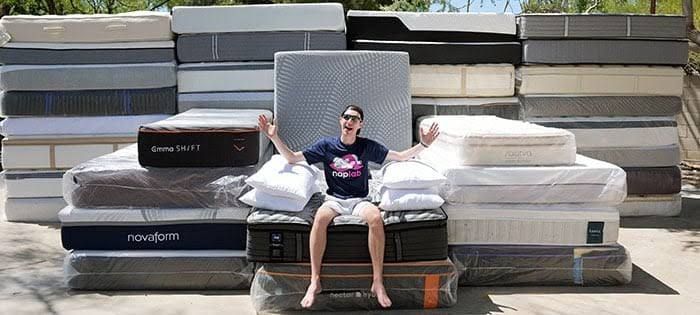
Quick Answer: Yes, no, or it depends. The short answer is: if you are using a traditional innerspring mattress on a standard metal rail bed frame, you absolutely do need one. However, to choose the right product, you need to understand how modern mattress designs function, as most new latex, foam, and hybrid beds will actually be damaged by a traditional box spring, requiring a solid platform or slatted foundation instead.
To truly understand the core of this debate, we must first address a fundamental question: what is a box spring? Traditionally, it is a wooden or metal frame containing heavy-duty steel coils wrapped in fabric. The primary objective of this classic design is to act as a shock absorber. When you lie down, the coils inside the box spring compress, shifting the physical weight away from the mattress itself. This not only extends the lifespan of an innerspring mattress but also adds height and creates a flexible base.
But what does a box spring do in the context of contemporary sleep engineering? In the past, mattresses were thin and flexible, relying heavily on the external coils of the box spring to prevent sagging. Today, modern mattresses are engineered with built-in support cores—such as high-density polyfoam or pocketed coils—that require a completely rigid, non-yielding base. Putting a heavy foam mattress on a flexible, spring-loaded foundation can cause the bed to sag, leading to chronic misalignment of your spine.
When to Use vs. When Not to Use a Box Spring
Determining your physical needs comes down to identifying your mattress type and bed frame setup. You should continue to use a traditional box spring if:
- You are utilizing a traditional double-sided innerspring mattress.
- Your bed frame is a basic metal hook-in or bolt-on rail system with no built-in wooden slats.
- The mattress manufacturer explicitly states that a box spring is required to maintain your warranty.
Conversely, you should skip the traditional box spring entirely if:
- You own a modern platform bed with built-in wooden slats (spaced less than 3 inches apart).
- You are setting up a memory foam, latex, or advanced pocketed coil hybrid mattress.
- You are utilizing an adjustable bed base.
- You prefer placing your mattress directly on a clean, solid floor.
If you find yourself waking up at 3 AM with a racing mind or persistent brain fog, the culprit might be these subtle, physical micro-adjustments your body makes when a mattress lacks proper support. When your spine sags, your nervous system remains in a low-grade fight-or-flight state. To track how your body is truly responding to your sleep environment setup, you need objective data.
Instead of relying on bulky, distracting smartwatches that require daily charging and emit blue light right before bed, we recommend using a screen-free, elegant alternative. The Herz P1 Smart Ring is a premium, titanium wearable that tracks your Sleep Stages (REM, Deep, Light) and Heart Rate Variability (HRV) with medical-grade sensors. It operates completely subscription-free, transforming complex biometric algorithms into a simple, actionable Recovery Score. By monitoring your HRV trends, you can easily see if upgrading your bed foundation reduces physical stress and helps you achieve restorative sleep.
Frequently Asked Questions About Modern Box Springs
Q: Is a box spring necessary for safety or hygiene?
A: No. A box spring’s primary purpose is structural support and height. However, keeping your mattress off the ground using a proper foundation does improve airflow, preventing moisture build-up and mold.
Q: Can I put a new mattress on an old box spring?
A: It is highly discouraged. Old box springs sag over time. Placing a brand-new mattress on a worn-out foundation will cause the new bed to sag prematurely, ruining your posture and invaliding your warranty.
Q: What is the difference between a foundation and a box spring?
A: A box spring contains metal coils that give under weight. A foundation is a solid wooden or metal box with rigid slats or a flat board, designed to remain completely unyielding.
Are Box Springs Necessary? Matching Your Mattress Type and Bed Frame

The mattress market has shifted dramatically over the last two decades. Understanding whether are box springs necessary depends entirely on matching the physical construction of your bed to its base. Placing a modern mattress on an improper support system is a primary source of sleep issues, leading directly to a lower recovery capacity.
Let’s break down the major mattress categories to determine if is a box spring necessary for your specific bed:
1. Memory Foam and Latex Mattresses
Memory foam and latex beds are incredibly popular because of their pressure-relieving qualities and contouring support. However, these materials are exceptionally dense and heavy. They require a rigid, uniform surface to prevent sagging. If you ask yourself, “Do I need a box spring for my foam mattress?” the answer is no. Traditional box springs do not have enough surface-area support, causing foam to squeeze down between the internal coils, leading to deep, permanent lumps.
2. Hybrid Mattresses
Hybrid beds combine pocketed innerspring coils with layers of foam. They offer the best of both worlds: contouring comfort and classic bounce. But do you need a box spring with a hybrid? Absolutely not. The pocketed coils inside a hybrid mattress operate independently to reduce motion transfer. Placing them on a flexible box spring defeats this purpose and can warp the individual pocketed coils, leading to spinal misalignment and back pain.
3. Traditional Innerspring Mattresses
If you prefer a classic, double-sided innerspring mattress, then a traditional box spring is still an excellent choice. The steel coils inside the base flex in tandem with the mattress, distributing body weight evenly. In this specific scenario, a box spring helps prevent structural fatigue, preserving the bounciness and air circulation that hot sleepers love.
To ensure your body recovers optimally each night, match your mattress with its ideal base:
| Mattress Type | Ideal Base Support | Should You Use a Box Spring? |
|---|---|---|
| Memory Foam | Solid Platform / Slats (<3″ apart) | No (Causes Sagging) |
| Latex | Heavy-Duty Platform Bed | No (Too Heavy) |
| Hybrid | Solid Foundation / Slatted Base | No (Ruins Coil System) |
| Innerspring | Coil Box Spring / Metal Rails | Yes (Recommended) |
When investigating do i need a box spring, it is critical to also check your bed frame. If you have a platform bed frame featuring integrated wooden or metal slats, placing a box spring on top will elevate your mattress to an uncomfortable height and create an unstable, sliding surface. Conversely, if your frame is a simple metal perimeter with only one center support beam, you must use a rigid foundation or box spring to prevent the mattress from collapsing to the floor.
If you’re dealing with poor sleep quality, checking your foundation is a vital first step. But how can you prove that changing your foundation actually translates to better physiology? This is where modern biometric tracking becomes invaluable. Rather than letting a bulky smartwatch disrupt your wind-down routine with screens and vibrating alerts, using a screen-free ring allows you to monitor your health trends seamlessly.
Evaluating Sleep Foundations: How Spine Alignment Correlates with HRV and Recovery

From a biometric perspective, sleep is not a passive state of unconsciousness; it is an active, highly structured period of physical restoration. When you decide on choosing a mattress foundation, you are directly impacting your autonomic nervous system (ANS) recovery.
If you have an improper support system, your mattress will sag. When the mattress dips in the middle, your spine curves unnaturally. To protect your spinal cord, your muscles must remain contracted throughout the night to stabilize your body. This muscular engagement prevents you from entering deep sleep—the phase of sleep where tissue repair, growth hormone release, and physical recovery occur.
Furthermore, this continuous physical stress triggers your sympathetic nervous system (“fight-or-flight”), resulting in frequent micro-arousals. You might not fully wake up, but your body is pulled out of deep, restorative sleep into light sleep. This physical strain is immediately reflected in your Heart Rate Variability (HRV).
HRV measures the variation in time between consecutive heartbeats. A high HRV indicates that your parasympathetic nervous system (“rest-and-digest”) is dominant, showing that your body is highly adaptable, relaxed, and recovering well. A low HRV indicates physical strain, fatigue, or stress. If your sleep foundation is poor, your overnight HRV will drop, leaving you with brain fog, physical exhaustion, and high stress levels the next day.
Connect the Dots Between Your Bed and Your Body
The physical foundation of your bed dictates your spinal alignment, which directly affects your deep sleep stages and heart rate variability (HRV). If you are testing a new bed setup or trying to resolve non-restorative sleep, stop guessing.
The Herz P1 Smart Ring provides a lightweight, titanium, screen-free solution to monitor your sleep architecture. Without screens to disrupt your sleep hygiene or annoying subscription fees, it tracks your biometric trends to show you exactly how your body recovers each night.
When evaluating if do you need a box spring, consider the long-term biometric feedback loop. If your overnight data shows a consistent decline in Deep Sleep and HRV, and you wake up feeling unrefreshed despite sleeping 8 hours, examine your mattress foundation. A simple change—like replacing an old, spring-loaded box spring with a rigid, slatted base—can instantly improve your physical recovery, resulting in a higher daily Recovery Score and better mental clarity.
Choosing Your Ideal Sleep Setup for Perfect Alignment
To optimize your sleep space for maximum physical recovery, follow these step-by-step guidelines:
- Check the manufacturer’s warranty: Most modern mattress companies require a solid foundation or slats spaced no more than 3 inches apart. Using a traditional box spring on a modern mattress can void your warranty.
- Assess your bed frame: Ensure your frame provides adequate center support, especially for Queen and King-sized mattresses. Without a sturdy center beam, your mattress will sag in the middle, throwing off your spine.
- Prioritize physical feedback: If you wake up with a stiff lower back or morning brain fog, it is a clear sign that your body is working too hard to stabilize your spine during sleep.
- Monitor your recovery trends: Utilize screen-free biometric tracking to get an objective look at your sleep architecture. By monitoring your HRV and deep sleep trends, you can easily verify whether changing your foundation has resolved your physical stress.
Your sleep environment is the foundation of your health. By understanding how mattress support structures impact your nervous system, you can make informed decisions that help you wake up feeling truly restored, energized, and ready to conquer the day.
Disclaimer: Results may vary depending on individual physical activity levels, unique health conditions, and daily tracking patterns. The biometric trends tracked by smart wearables are designed to provide data-informed insights to help you optimize your daily recovery and are not a substitute for professional medical advice.
