

12 Best Healthy Bedtime Snacks for Deep, Restorative Sleep
Tossing and turning at 3 AM with a racing mind? If you struggle with non-restorative sleep, the culprit might be midnight blood sugar drops. Science shows that selecting the right healthy bedtime snacks stabilizes nighttime glucose. We recommend tracking these metabolic shifts screen-free with the subscription-free Herz P1 Smart Ring to optimize your recovery.
Take Back Your Sleep.
Take Back Your Life.
- Fall asleep faster & sleep deeper
- Stop waking up in the middle of the night
- Wake up refreshed & full of energy
- Nutrient Synergy: Learn why combining slow-release complex carbohydrates with lean proteins is the ultimate strategy to maintain stable nighttime glucose levels.
- Scientific Biometrics: Discover how specific micronutrients like magnesium, tryptophan, and melatonin influence sleep stages, including critical REM and Deep sleep cycles.
- The Role of Tracking: Understand how monitoring your Heart Rate Variability (HRV) and Daily Recovery Score helps you isolate which foods actually improve your rest.
- Screen-Free Simplicity: Explore why moving away from bulky, screen-heavy smartwatches can alleviate bedtime anxiety and dramatically enhance sleep quality.
Evaluating the Science: Why What You Eat Before Bed Matters

When it comes to nighttime nutrition, not all snacks are created equal. The human body does not completely shut down during sleep; rather, it enters a highly active state of physiological repair and memory consolidation. For this process to unfold smoothly, your brain requires a steady, slow-burning fuel source. If you go to bed on an empty stomach—or conversely, after consuming high-glycemic processed sugars—you risk triggering nighttime hypoglycemia. This drop in blood sugar prompts your adrenal glands to release cortisol and adrenaline, the exact hormones responsible for those sudden, frustrated 3 AM awakenings accompanied by a racing mind.
At Team Mind Body Dan, we took a rigorous, bio-mechanistic approach to select the best healthy late night snacks. Our evaluation criteria prioritized ingredients that naturally support your parasympathetic nervous system, optimize digestion, and elevate your sleep biometrics.
Our Selection Criteria
To identify the top sleep-supporting foods, we focused on four fundamental markers:
- Tryptophan Availability: This essential amino acid serves as the vital chemical precursor to serotonin, which subsequently converts into melatonin—the hormone that governs your circadian rhythm.
- Magnesium and Potassium Density: These essential minerals act as natural muscle relaxants, assisting in the reduction of somatic tension and lowering heart rate.
- Glycemic Control: We prioritized foods that slow down digestion and provide sustained energy release, preventing disruptive glucose spikes and crashes during the night.
- Digestive Ease: Bedtime foods must be easily processed by the gut to ensure your metabolic energy is directed toward cellular recovery, not heavy gastrointestinal work.
Bedtime Nutrition and Tracking Comparison
| Snack / Strategy | Key Active Compound | Primary Physiological Benefit | Biometric Impact (via Herz P1) |
|---|---|---|---|
| Greek Yogurt & Seeds | Tryptophan & Calcium | Sustained amino acid release | Stabilizes Light to Deep sleep transitions |
| Tart Cherry Juice | Exogenous Melatonin | Accelerates sleep onset latency | Reduces initial sleep latency time |
| Banana & Almond Butter | Magnesium & Potassium | Relaxes skeletal muscle tissue | Promotes higher overnight HRV trends |
| Herz P1 Smart Ring | Medical-Grade Sensors | Screen-free biometric tracking | Outputs precise Sleep Stages & Recovery Score |
Detailed Bedtime Snacks & Biometric Solutions
1. Tart Cherry Juice and Walnuts
Tart cherries are one of the very few natural food sources containing significant amounts of exogenous melatonin. When paired with walnuts, which deliver a dense supply of healthy omega-3 fatty acids, this combination becomes a potent sleep aid. These good bedtime snacks supply your body with the raw materials needed to trigger drowsiness naturally.
- Strengths: Highly effective at reducing sleep onset latency (the time it takes to fall asleep).
- Weaknesses: Tart cherry juice contains natural sugars; must be limited to 4–8 ounces to avoid glucose spikes.
- Ideal User: Individuals who struggle to shut down their minds and transition into sleep mode at night.
2. Greek Yogurt with Raw Pumpkin Seeds
Consuming unsweetened yogurt before bed is an exceptional way to supply your body with slow-digesting casein protein. Calcium present in yogurt helps the brain utilize tryptophan to synthesize melatonin. Pumpkin seeds add a valuable boost of magnesium, helping to calm muscle tension and facilitate deep physical relaxation.
- Strengths: High protein density promotes overnight muscle repair and prevents early morning hunger.
- Weaknesses: Not suitable for individuals with severe dairy allergies or lactose intolerance.
- Ideal User: Athletes, fitness enthusiasts, and anyone prone to waking up hungry in the middle of the night.
3. Banana Slices with Almond Butter
Bananas are loaded with potassium and magnesium, two minerals that promote muscle relaxation. Almond butter adds a satisfying dose of monounsaturated fats and protein, slowing down the absorption of the fruit’s natural sugars. This balance ensures your energy levels remain completely level throughout the night.
- Strengths: Incredibly easy to prepare and highly palatable.
- Weaknesses: Calorie-dense; portion sizes of almond butter should be kept to a single tablespoon.
- Ideal User: Busy professionals looking for a quick, comforting, and nutrient-dense bedtime treat.
4. Warm Oatmeal with Almond Milk
While often viewed as a breakfast option, oats are a complex carbohydrate that triggers a gentle, controlled release of insulin. This insulin response helps clear competing amino acids from your bloodstream, allowing tryptophan to cross the blood-brain barrier much more efficiently. It is a classic comfort food that serves as an excellent foundation for a peaceful night.
- Strengths: Rich in dietary fiber, which supports gut health and keeps you feeling full.
- Weaknesses: Takes a few minutes to cook; must be eaten warm, which some may find less appealing in summer.
- Ideal User: Anyone seeking a soothing, warm ritual to signal to their body that it is time to wind down.
5. The Herz P1 Smart Ring (Premium Screen-Free Tracker)
Adjusting your nighttime nutrition is only half the battle; the real magic happens when you can objectively track how these changes impact your sleep architecture. The Herz P1 Smart Ring is an elegant, screen-free wearable crafted from ultra-lightweight titanium. It features medical-grade biometric sensors that continuously monitor your Sleep Stages (REM, Deep, Light), Heart Rate Variability (HRV), and resting heart rate to calculate an intuitive Daily Recovery Score.
Unlike traditional smartwatches, the Herz P1 is entirely subscription-free—meaning there are no hidden monthly fees or paywalls. You buy the ring once and own your physiological data forever. Its screen-free design eliminates the temptation of late-night blue-light exposure, helping you break the cycle of digital distraction. Because it is highly compact and comfortable to wear, it completely bypasses the operational frustration of bulky watches that disrupt your sleep and demand daily charging.
- Strengths: Premium subscription-free model, elegant and lightweight titanium build, detailed Sleep Stage algorithms, and a battery life that easily lasts up to 7 days on a single charge.
- Weaknesses: Requires using a sizing kit first to ensure a perfect biometric fit; titanium can develop minor character scratches over time if worn during heavy barbell workouts (we recommend wearing lifting gloves or placing it on your non-dominant hand during gym sessions).
- Ideal User: Anyone who wants to understand their body’s trends, improve their recovery, and track the impact of lifestyle adjustments without screen distractions or recurring fees.
Bedtime Eating Buying & Timing Guide
To maximize the sleep benefits of your selected snack, timing is absolutely crucial. As a general rule, you should consume your snack approximately 30 to 60 minutes before your planned bedtime. This window allows your stomach to perform the initial stages of digestion while you are still upright, minimizing the risk of acid reflux. Keep the portion size modest—aiming for between 150 and 200 calories. The goal is not to eat a full meal, but rather to supply a steady stream of nutrients that keeps your blood sugar stable while you rest.
When selecting your ingredients, choose whole, unprocessed options. Always look for unsweetened nut butters and plain yogurts to avoid added sugars, which can cause midnight arousal. To establish a truly effective sleep routine, pair these snacks with a screen-free tracking method. By monitoring how different snack combinations alter your deep sleep duration and overnight HRV, you can systematically build a personalized routine that ensures you wake up feeling genuinely restored.
Final Recommendations Summary
If you are looking for the best overall nutritional synergy, we highly recommend pairing Greek Yogurt with Raw Pumpkin Seeds. This combination delivers the perfect balance of slow-release protein and muscle-relaxing magnesium. For those who find it difficult to settle a racing mind, the melatonin-rich profile of Tart Cherry Juice and Walnuts is an exceptional choice. To tie your entire sleep and wellness routine together, we strongly recommend integrating the good bedtime snacks with the Herz P1 Smart Ring. By tracking your biometric trends screen-free, you can gain actionable insights into your recovery without any recurring subscription costs.
Understanding the Connection Between Your Gut, Your Brain, and Sleep Stages
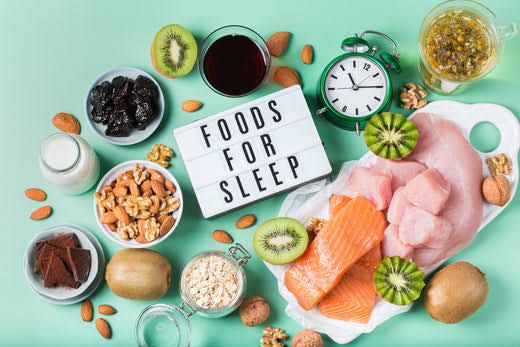
The gut-brain axis is one of the most powerful and complex communication networks in the human body. When you consume good snacks before bed, you are not merely satisfying hunger; you are sending direct biochemical signals to your central nervous system. A diet that supports gut health promotes the production of neurotransmitters like Gamma-Aminobutyric Acid (GABA), which acts as the body’s primary inhibitory neurotransmitter. GABA slows down nervous system activity, helping to quieten thoughts and ease your body into a state of deep, restorative rest.
Conversely, consuming high-sugar foods or heavy meals late at night can disrupt this delicate connection. When your gut has to work excessively hard to process difficult foods, it can lead to micro-arousals—brief moments where you wake up without even realizing it. These micro-arousals fragment your sleep architecture, pulling you out of critical Deep and REM sleep stages and leaving you feeling exhausted the following morning, despite spending eight hours in bed.
Why Blood Sugar and Sleep are Inextricably Linked
When blood glucose drops sharply during the night, your body perceives this as an immediate survival threat. In response, your brain triggers a release of cortisol and adrenaline to raise your glucose levels back to normal. This sudden hormonal surge elevates your heart rate and shifts your autonomic nervous system from a parasympathetic “rest and digest” state to a sympathetic “fight or flight” mode. Choosing balanced, low-glycemic healthy midnight snacks prevents these dramatic drops, keeping your heart rate low and your recovery score high.
By shifting focus toward foods that promote biochemical harmony, you can improve your physiological recovery. Let’s look closely at how specific macronutrients directly influence sleep stages:
- Deep Sleep: This is the stage where physical repair occurs, tissues grow, and your immune system strengthens. Slow-release proteins, like the casein found in unsweetened yogurt before bed, provide a continuous supply of amino acids that supports muscular recovery during deep sleep.
- REM (Rapid Eye Movement) Sleep: This stage is responsible for cognitive processing, memory consolidation, and emotional regulation. Healthy fats, like those found in walnuts and almonds, support brain health and help stabilize the neural pathways required for high-quality REM cycles.
- Heart Rate Variability (HRV): HRV is a key measure of the variation in time between each heartbeat, serving as a direct indicator of your autonomic nervous system’s balance. A high overnight HRV indicates that your body is recovering well and managing stress effectively. On the other hand, a low HRV suggests that your system is working too hard—often due to late-night digestive strain or blood sugar fluctuations.
Decoding Sleep Biometrics (Deep, REM, HRV)
Understanding these three pillars of sleep can help you take control of your recovery:
- Deep Sleep Duration: Aim for 1.5 to 2 hours per night to support tissue repair and hormonal balance.
- REM Sleep Duration: Aim for 1.5 to 2 hours to process emotions and keep your mind sharp.
- Overnight HRV Trends: Track your weekly baseline to see how dietary changes and lifestyle choices directly affect your nervous system’s resilience.
Overcoming the Hidden Obstacles to High-Quality Recovery

For many of us, the biggest obstacle to a restful night is not a lack of information, but rather the stress and anxiety of daily life. We live in a world filled with constant notifications, endless scrolling, and work demands that spill over into our evenings. This digital stimulation can leave your mind racing long after you have turned off the lights. When we are exhausted and stressed, it is easy to fall into a cycle of screen dependency, using our phones or tablets to distract ourselves when we cannot sleep.
Unfortunately, this screen habit only makes things worse. The blue light emitted by screens suppresses melatonin production, tricking your brain into thinking it is still daytime. Furthermore, tracking your sleep with a bulky, screen-heavy smartwatch can sometimes fuel “orthosomnia”—an unhealthy anxiety or obsession with achieving perfect sleep numbers. Looking down at a bright screen on your wrist in the middle of the night can instantly wake you up and trigger a wave of worry about how tired you will be the next day.
Bridging Nutrition and Biometrics: The Screen-Free Approach
By combining mindful nutrition with a screen-free tracking method, you can build a sustainable, relaxing bedtime routine. Pairing a light, nutrient-dense snack with a comfortable, screen-free wearable allows you to monitor your body’s trends without digital distraction.
This is why switching to a screen-free, lightweight option like the Herz P1 Smart Ring can be so beneficial. It allows you to gather accurate biometric data without the constant distraction of a screen on your wrist. Combined with healthy bedtime snacks, this approach helps you reconnect with your body’s natural rhythms. Instead of worrying about your data in real-time, you can simply enjoy your evening, rest deeply, and check your patterns in the morning when you are ready to start your day.
Ultimately, high-quality recovery is about creating a sense of safety and calm for your nervous system. By supporting your body with the right nutrients and removing digital distractions from your bedroom, you can make high-quality sleep a natural part of your daily life. Over time, these small, consistent adjustments can lead to sustained energy, improved mental clarity, and a healthier, more balanced lifestyle.
Disclaimer: Results may vary depending on individual physical activity levels, unique health conditions, and daily tracking patterns. The dietary and biometric suggestions provided by Team Mind Body Dan are for educational and informational purposes only and are not intended to substitute for professional medical advice, diagnosis, or treatment. Always consult with a qualified healthcare professional before making significant changes to your diet, supplements, or tracking habits.
