

Why Does Coffee Make Me Tired? The Science of Caffeine Slumps and How to Reclaim Your Energy
If you find yourself asking, “does coffee make me tired?”, you are not alone. This frustrating physiological paradox often points to hidden sleep debts and biometric imbalances. At Team Mind Body Dan, we explore the science behind this caffeine slump and show how tracking your recovery with a screen-free smart ring can help you reclaim natural, vibrant energy.
Take Back Your Sleep.
Take Back Your Life.
- Fall asleep faster & sleep deeper
- Stop waking up in the middle of the night
- Wake up refreshed & full of energy
- The Adenosine Debt: Coffee does not create energy; it blocks adenosine. When caffeine clears, a massive wave of sleep pressure crashes over you.
- Dehydration Dynamics: Coffee’s mild diuretic effect lowers blood volume and Heart Rate Variability (HRV), signaling stress and fatigue to your brain.
- Blood Sugar Rollercoasters: Added sweeteners and milk trigger rapid insulin spikes, leading to a profound physical and mental slump.
- Genetic Metabolism: Your CYP1A2 gene determines if you clear caffeine rapidly or slowly, directly influencing how soon you feel sleepy.
- A Screen-Free Path: Monitoring sleep stages and daily recovery with an ultra-lightweight wearable helps isolate the exact root causes of daytime exhaustion.
The Caffeine Paradox: Why Does Coffee Make Me Tired and Sleepy?

Yes, coffee can absolutely make you tired. The short answer is that caffeine does not actually create energy in your body; it merely borrows it by temporarily blocking the brain receptors that detect sleepiness. However, to choose the right wellness path and resolve this fatigue permanently, you must understand your body’s underlying sleep stages, cardiovascular recovery patterns, and hydration levels.
To understand the core question—“does coffee make me tired?”—we have to look closely at our neurochemistry. Throughout your waking hours, your brain naturally produces a chemical called adenosine. The longer you stay awake, the more adenosine accumulates in your neural pathways, creating what sleep scientists call “sleep pressure.” This biological pressure is what makes you feel naturally ready to wind down and rest at the end of the day.
When you drink your morning brew, caffeine enters your bloodstream and travels straight to the brain. Structurally, caffeine looks remarkably similar to adenosine. Because of this resemblance, it fits perfectly into your brain’s adenosine receptors, effectively locking adenosine out. While these receptors are blocked, your brain cannot receive the biological “tired” signals. As a result, you feel temporarily alert, sharp, and focused.
However, that blocked adenosine does not simply disappear. Your body continues to produce it throughout the morning, and it begins to accumulate outside the blocked receptors like water building up behind a dam. As your liver processes and clears the caffeine over the course of several hours, the blockade collapses. This sudden opening allows a massive flood of accumulated adenosine to rush into your receptors all at once. If you are constantly wondering, “why does caffeine make me tired?”, this abrupt biological wave is the main culprit. This massive flood produces a heavy, sudden crash that leaves you far more exhausted than you were before your first sip.
But the neurochemical accumulation is only one piece of the puzzle. Have you ever wondered, “can caffeine make you tired even if you slept for eight hours?” The answer is yes, especially if that sleep was non-restorative. If you find yourself waking up with a racing mind, struggling with 3 AM awakenings, or tossing and turning in light sleep, your baseline adenosine levels are already elevated when you get out of bed. Attempting to mask this underlying sleep debt with caffeine only creates a steeper afternoon crash, which explains why does caffeine make me sleepy when I need my focus most.
How to Self-Identify Your Physiological Needs
To stop this exhausting cycle, it is vital to learn how to self-identify your physiological needs and recognize when your body is signaling for genuine rest rather than more stimulants:
- When to avoid coffee: If you wake up feeling completely depleted, experience chronic brain fog, or feel highly stressed and anxious, skip the espresso. Your body is already in a state of high sympathetic activity. Adding caffeine will only drop your Heart Rate Variability (HRV) further, compounding your exhaustion.
- When to delay coffee: If you choose to consume caffeine, wait at least 90 to 120 minutes after waking up. This delay allows your body to naturally clear the remaining sleep pressure from the night before, minimizing the severity of the afternoon adenosine flood.
- When to switch to tracking: If you are asking yourself does coffee make me tired every single day, it is time to pivot from masking your symptoms to monitoring your biometrics. Focus on screen-free evening routines and proper hydration to restore your baseline energy naturally.
The Screen-Free Solution: Monitoring Your True Recovery
Instead of drinking another cup of coffee to fight off that heavy afternoon dip, we need to address the root cause of your fatigue: your sleep quality. To truly understand your body’s needs, you need an objective, stress-free way to monitor your recovery. This is where the Herz P1 Smart Ring serves as an elegant, expert-recommended tool.
Unlike traditional smartwatches that are bulky, uncomfortable to sleep in, and flash bright screens that disrupt your sleep hygiene, this premium titanium smart ring is designed for pure, screen-free comfort. It tracks your key biometric trends—such as Sleep Stages (REM, Deep, Light), Heart Rate Variability (HRV), and Daily Activity—and outputs an intuitive, simple daily Recovery Score. By translating complex biometric algorithms into a single daily score, it helps you see exactly why does coffee make me sleepy on certain days. If your Recovery Score is low due to a lack of deep sleep, you will know to prioritize hydration and rest instead of forcing your body to run on caffeine.
Frequently Asked Questions About Caffeine and Fatigue
Q: Why does coffee make me sleepy almost immediately after drinking it?
A: If you feel sleepy within minutes, it is likely due to dehydration, a rapid blood sugar spike (if your coffee has sugar or dairy), or high baseline sleep debt. Your adenosine receptors are already so saturated that the caffeine cannot compete, leaving you feeling instantly fatigued.
Q: Can caffeine make you tired if you process it quickly?
A: Yes. Fast metabolizers process caffeine very rapidly. This means the alerting effects wear off quickly, leading to a much faster transition to the crash phase, which explains why does caffeine make me sleepy while others stay awake for hours.
Q: How can I stop coffee from making me tired?
A: Hydrate thoroughly before drinking coffee, delay your first cup by 90 minutes after waking, keep sugar out of your brew, and track your daily sleep stages using advanced sleep tracking technology to ensure you are getting enough deep, restorative sleep.
The Deeper Science: Dehydration, Sugar Crashes, and Autonomic Stress
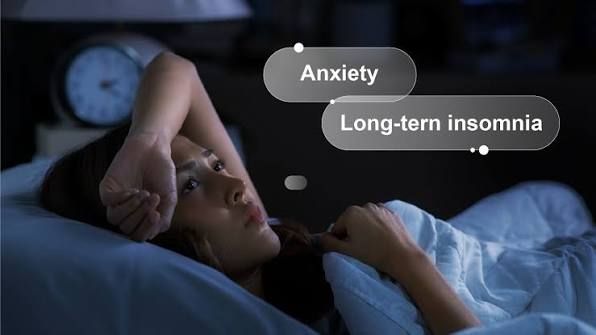
While the adenosine cycle is the most common answer to why does caffeine make me tired, several other biological mechanisms play a massive role in this daily loop of exhaustion. When we dissect why does coffee make me sleepy, we must look beyond the brain and examine our entire cardiovascular and autonomic nervous systems.
1. Dehydration and Blood Volume Fluctuations
Caffeine acts as a mild diuretic, meaning it prompts your kidneys to excrete water and sodium. If you wake up dehydrated and immediately reach for a cup of coffee before drinking any fresh water, you are compounding the dehydration that naturally occurs while you sleep. This drop in hydration directly leads to a decrease in overall blood volume.
When blood volume drops, your heart has to pump faster and work harder to deliver oxygen and nutrients throughout your body. This cardiovascular strain shifts your autonomic nervous system into a sympathetic (“fight-or-flight”) stress state, which lowers your Heart Rate Variability (HRV). To your brain, this state of physical strain is registered as profound fatigue, making you wonder, why does caffeine make me sleepy even when my heart is racing?
When you are dehydrated, your sympathetic nervous system takes over, causing your Heart Rate Variability (HRV) to drop. By using a wearable to track your Heart Rate Variability (HRV), you can see in real-time how your morning coffee and hydration habits affect your autonomic nervous system.
2. The Sweetened Coffee Rollercoaster
Many of us don’t drink our coffee black. If your morning routine includes specialty lattes, sweetened creamers, or flavored syrups, you are setting yourself up for a severe insulin roller coaster. The rapid absorption of simple sugars causes a sharp spike in blood glucose. In response, your pancreas secretes a large amount of insulin to clear the sugar from your bloodstream.
This rapid clearing leads to reactive hypoglycemia—a sudden drop in blood sugar that leaves you feeling physically sluggish, weak, and mentally foggy. This rapid shift is a primary reason why does coffee make me sleepy after a flavored drink. The temporary alerting effects of the caffeine are quickly overwhelmed by the physical exhaustion of a sugar crash, leaving you feeling more depleted than before.
3. Vasoconstriction and Brain Blood Flow
Caffeine is a vasoconstrictor, meaning it temporarily narrows the blood vessels and can reduce blood flow to your brain by up to 27%. While this narrowing can help relieve certain headaches, it also means your brain receives slightly less oxygenated blood. As the caffeine is metabolized and leaves your system, your blood vessels dilate back to their normal size. This sudden increase in cerebral blood flow can lead to a feeling of heavy-headedness, brain fog, and fatigue, making you ask: can caffeine make you tired simply by wearing off?
4. Sleep Fragmentation and 3 AM Awakenings
One of the most insidious ways coffee makes you tired is by sabotaging your sleep quality the night before. Caffeine has a half-life of roughly 5 to 7 hours, and a quarter-life of up to 12 hours. If you enjoy a mid-afternoon espresso at 3 PM, a quarter of that caffeine may still be active in your brain at 3 AM.
Even if you have no trouble falling asleep, this lingering caffeine disrupts your sleep architecture. It prevents you from entering deep sleep and REM sleep, keeping you trapped in light, non-restorative sleep. You might wake up multiple times in the middle of the night, or wake up feeling like you haven’t slept at all. The next morning, you feel exhausted, reach for more coffee, and repeat the cycle. This answers the core question: does coffee make me tired? Yes, by degrading the very sleep that is supposed to restore you.
If you are struggling with these symptoms, utilizing a subscription-free smart ring allows you to track these trends objectively. You will see how your afternoon caffeine habit directly correlates with a lower sleep score, reduced deep sleep duration, and a sluggish morning recovery.
How to Break the Cycle: Screen-Free Tracking and Recovery Optimization

Breaking the cycle of caffeine dependency and daytime exhaustion requires a systematic approach. If you are tired of asking, does coffee make me tired, it is time to build a sustainable, science-backed routine. Here are the steps our team recommends to reclaim your natural energy:
1. Implement a Strict Caffeine Curfew
To protect your natural sleep stages, set a strict cutoff time for caffeine. Since caffeine can stay in your system for up to 12 hours, try to stop consuming it at least 8 to 10 hours before your planned bedtime. If you sleep at 10 PM, your last sip of coffee should be no later than 12 PM or 2 PM. This simple change allows your brain to naturally clear the caffeine, ensuring you can slip into deep, restorative sleep.
2. Prioritize Hydration Before Caffeine
Before you allow yourself to touch a cup of coffee, drink at least 16 ounces of filtered water. This helps rehydrate your body after a night of breathing and sweating, stabilizing your blood volume and protecting your HRV. You will find that proper hydration naturally clears a large portion of morning brain fog without the need for artificial stimulants.
3. Delay Your Morning Cup
Allow your natural cortisol awakening response to do its job. Wait 90 to 120 minutes after waking before having your first cup of coffee. This delay gives your body time to naturally flush out the residual adenosine left over from the night before, dramatically lowering the chances of a mid-day crash.
4. Switch to Screen-Free Recovery Tracking
Many people try to solve their sleep issues by wearing bulky, glowing smartwatches. However, these devices often introduce new problems. They flash notifications in the middle of the night, light up when you roll over, and require daily charging—meaning you often end up charging them overnight when they should be tracking your sleep.
Furthermore, looking at a bright screen to check your sleep data right before bed or immediately upon waking can trigger a spike in cortisol, making it harder to fall asleep or wake up peacefully. To truly optimize your health, we recommend a screen-free tracking method. Switching to a lightweight titanium smart ring is the most comfortable and elegant way to monitor your biometrics. It lets you step away from screens while still gathering medical-grade data on your Sleep Stages, HRV, and Daily Activity.
Meet the Herz P1 Smart Ring
Tired of bulky smartwatches that die every night? The Herz P1 is a premium, subscription-free, and screen-free wearable designed for elegant, weightless comfort. It sits comfortably on your finger, tracking your HRV, Deep/REM Sleep, and Daily Activity to deliver an intuitive Recovery Score—without the screen distractions or hidden monthly fees.
5. Monitor Your Recovery Trends, Not Just Steps
When analyzing does coffee make me tired, you need to look at long-term trends rather than single data points. By monitoring your biometrics, you can ask yourself:
- How does my HRV change when I skip afternoon coffee? Typically, you will see your HRV trend upward as your autonomic nervous system relaxes.
- Does my Deep Sleep duration increase? Most users notice a dramatic rise in deep, restorative sleep when they implement a caffeine curfew.
- Is my Recovery Score improving? Your daily recovery score will reflect a more balanced nervous system, giving you natural, stable energy throughout the day.
To start monitoring these changes and take control of your daily vitality, you can discover the Herz P1 and explore how its advanced, medical-grade sensors translate complex biometric algorithms into simple, actionable daily sleep and recovery metrics. If you want a more comprehensive understanding of your bio-trends, you can read our detailed guide on how a premium biometric wearable can help you reclaim your energy and sleep.
Disclaimer: Results may vary depending on individual physical activity levels, unique health conditions, and daily tracking patterns. This content is for informational purposes only and does not constitute medical advice.
