

Why Do My Hands Go Numb While Sleeping? Causes, Fixes, and Recovery Tracking
Waking up at 3 AM with a prickling, dead sensation in your fingers is terrifying. This chronic numbness in hands while sleeping ruins sleep architecture, tanking your heart rate variability (HRV) and deep sleep. Fortunately, tracking physiological recovery trends with a screen-free tool like the Herz P1 Smart Ring helps you reclaim restorative rest.
Take Back Your Sleep.
Take Back Your Life.
- Fall asleep faster & sleep deeper
- Stop waking up in the middle of the night
- Wake up refreshed & full of energy
- The exact neurological and mechanical reasons why your hands go numb while sleeping.
- How to tell the difference between temporary positional compression and chronic conditions.
- Practical adjustments to your sleeping posture, pillows, and evening routines.
- How to monitor and track recovery disruption screen-free using advanced biometric trends.
The Science Behind Why Hands Go Numb While Sleeping
Quick Answer
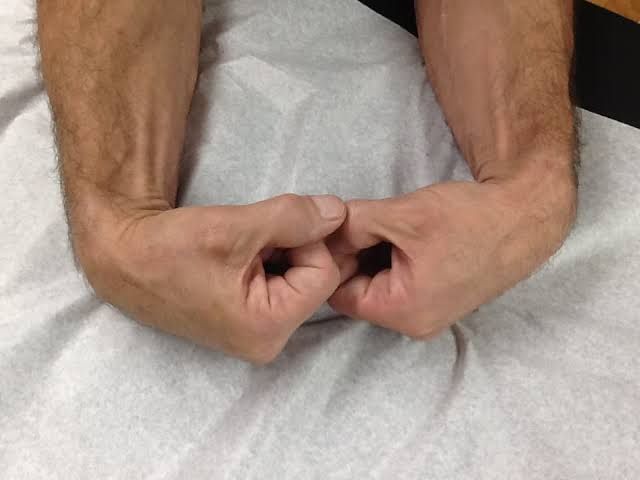
Yes, it depends on several physiological factors. The short answer is that nighttime hand numbness is usually caused by positional nerve compression (specifically involving the median, ulnar, or radial nerves) or chronic inflammatory conditions like Carpal Tunnel Syndrome. However, to choose the right lifestyle adjustments and products, you must first understand whether your symptoms are purely positional or indicative of systemic physical strain that is disrupting your autonomic nervous system’s nightly recovery.
Detailed Breakdown of Neural Pathways
When we experience hands go numb while sleeping, our nervous system is sending an urgent, albeit delayed, distress signal. The human hand is innervated by three primary nerves that originate in the brachial plexus of the neck and run all the way down the arm: the median nerve, the ulnar nerve, and the radial nerve. During sleep, mechanical compression or sustained bending of the joints can pinch these pathways, leading to paresthesia (the medical term for the “pins and needles” sensation).
Understanding which specific fingers are affected can tell us exactly which nerve path is being compromised:
- The Median Nerve: This nerve runs through the carpal tunnel—a narrow passageway of ligament and bones at the base of your hand. If your thumb, index, middle, and half of your ring finger feel dead or tingling, the median nerve is the culprit. This is the hallmark signature of Carpal Tunnel Syndrome, which often flares up intensely at night when our wrists naturally curl inward.
- The Ulnar Nerve: If you find your pinky and the outer half of your ring finger are completely numb, the ulnar nerve is compressed. This nerve passes through the cubital tunnel at the elbow. When you sleep with tightly bent elbows, you stretch and compress this nerve, leading to cubital tunnel syndrome symptoms.
- The Radial Nerve: Running along the back of the arm and hand, this nerve controls wrist extension. If you sleep with your arm draped awkwardly over the back of a chair or heavily compressed under a partner’s head, you might wake up with “radial nerve palsy” (sometimes called “Saturday night palsy”), leaving you temporarily unable to lift your wrist or fingers.
When to Take Action: Positional vs. Pathological Numbness
It is critical to distinguish between simple, posture-related issues and chronic underlying conditions. If you only experience why do my hands go numb when i sleep occasionally—perhaps after an unusually intense workout or sleeping in an unfamiliar bed—it is likely positional. However, if the numbness occurs almost every night, spreads up your forearm, or persists long after you have woken up and shaken out your hands, you may be dealing with a chronic entrapment neuropathy, cervical radiculopathy (a pinched nerve in the neck), or peripheral neuropathy.
We recommend tracking your body’s physiological indicators. When physical discomfort disrupts your sleep, your sympathetic nervous system (“fight or flight”) spikes, which directly impacts your overnight heart rate variability (HRV). By monitoring trends in your autonomic recovery, you can objectively observe how frequently these sensory disruptions are occurring, even if you do not fully remember waking up.
Suggested Solutions & Holistic Tracking
To address these sleep disturbances, consider integrating supportive wrist splints that keep your joints in a neutral position throughout the night. Additionally, optimizing your sleep environment by evaluating pillow loft and sleeping postures is incredibly effective. To truly understand if these adjustments are working, we must look at objective data. Traditional smartwatches can be incredibly bulky to wear to bed, often exacerbating wrist pressure and introducing blue-light distractions that worsen a racing mind.
This is why our team frequently recommends transitioning to a screen-free, highly lightweight biometric tracker. A device like the Herz P1 Smart Ring offers an elegant titanium form factor that sits comfortably on your finger without adding wrist pressure. It tracks sleep stages (REM, Deep, Light) and HRV continuously, allowing you to observe how positional changes affect your body’s overall Recovery Score over time.
Section FAQ
Q: Can hand numbness while sleeping be a sign of a stroke?
A: While sudden, unilateral numbness accompanied by facial drooping, speech difficulty, or leg weakness requires emergency medical attention, isolated hand numbness sleep that resolves quickly upon waking and moving is almost always due to localized nerve compression.
Q: How long does it take for nerve compression to resolve after changing positions?
A: For standard positional pressure, sensation should return within a few minutes of shaking out the hand and restoring blood flow and nerve conductivity. If it takes hours, you should consult a medical professional.
Q: Does sleeping on your stomach make hand numbness worse?
A: Yes. Sleeping face down often requires you to place your arms under your pillow or head, which places direct, sustained pressure on both the brachial plexus in your neck and the individual nerves in your arms.
Sleeping Positions and Physical Triggers That Cause Hand Numbness
How Sleeping Habits Impact Your Nerves
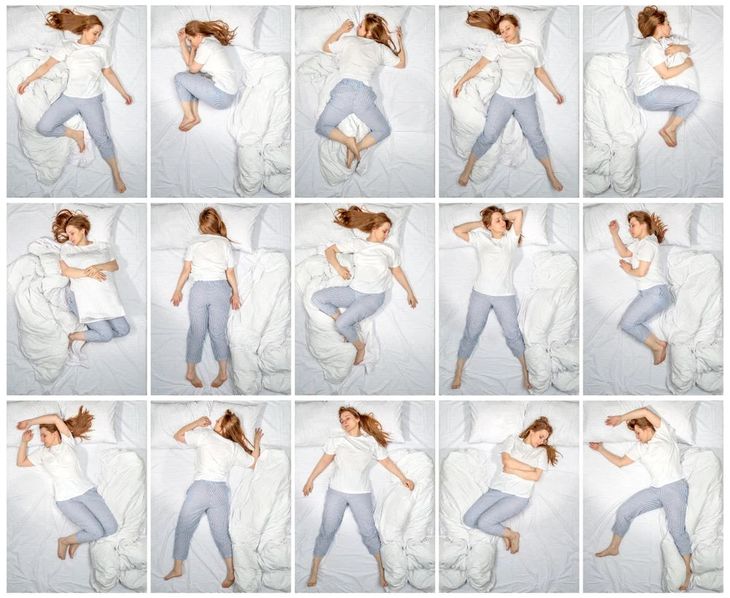
The way we position our body at night plays a monumental role in neural compression. When your body enters deep relaxation, muscle tone drops, meaning your joints are susceptible to resting at extreme angles without your conscious mind realizing it. If your arms fall asleep while sleeping, your body is likely locked in one of these problematic postures:
- The Elbow-Flexion Trap: Many of us instinctively sleep with our arms curled up tightly against our chest, like a fetal position. This severe flexion of the elbow stretches the ulnar nerve over the bony epicondyle of the humerus, cutting off nerve blood supply. After an hour or two in this position, you awake with cold, tingling pinky fingers.
- The Wrist-Bending Curl: Known scientifically as wrist flexion, this occurs when you tuck your hands under your chin or fold them inwards. This movement decreases the cross-sectional area of the carpal tunnel by up to 60%, heavily compressing the median nerve and triggering intense hands falling asleep at night.
- Overhead Arm Extension: Sleeping with your arms stretched up over your head or tucked under your pillow can compress the brachial plexus nerves in the armpit and neck region. This results in generalized arm numbness, leaving your entire limb feeling useless and heavy when you awaken at 3 AM.
- Keep your wrists in a neutral, straight position by utilizing supportive, breathable wrist splints.
- Avoid sleeping with your elbows bent past 90 degrees; consider loosely wrapping a towel around your elbow to prevent extreme bending.
- Ensure your pillow height matches your shoulder width, keeping your cervical spine aligned to prevent pinched neck nerves.
These postural misalignments can lead to what we call “silent sleep fragmentation.” You might not remember waking up to shift your weight or shake out your arms, but your autonomic nervous system reacts instantly. The stress of nerve compression elevates your heart rate and prevents you from spending enough time in deep and REM sleep stages. Consequently, you awake with brain fog, physical fatigue, and an unexplained feeling of exhaustion despite having “slept” for eight hours.
Reclaiming Restorative Sleep: Biometrics, Recovery Tracking, and Solutions

The Missing Link: Screen-Free Biometric Monitoring
When we are trying to resolve sleep issues like hands falling asleep at night, we need accurate, objective feedback. Many individuals turn to traditional smartwatches or heavy wrist-worn trackers. However, these devices present several severe operational and physical issues. For one, wearing a bulky, heavy metal watch to bed often places additional physical pressure on the wrists, sometimes worsening the very nerve compression we are trying to escape. Furthermore, the constant glare of a screen and the flood of notifications can trigger a racing mind at bed-time, worsening sleep onset latency.
At Mind Body Dan, we believe the ultimate solution is elegant, lightweight, and entirely screen-free. This is why we recommend the Herz P1 Smart Ring. Crafted from medical-grade titanium, it is incredibly light and slips onto your finger seamlessly. By shifting the tracker from your wrist to your finger, you eliminate wrist pressure entirely, freeing up your hands to rest comfortably in neutral, non-compressed positions.
Why the Herz P1 Smart Ring is a Game-Changer for Sleep Recovery:
- Subscription-Free Model: Pay once, own forever. There are zero hidden monthly fees or paywalls locking your vital biometric data.
- Screen-Free & Lightweight: Zero blue-light distractions, zero bulky wrist straps, and weighing practically nothing, ensuring a comfortable, undisturbed night.
- Advanced HRV & Sleep Stage Analysis: Translates complex clinical algorithms into a simple, daily Recovery Score to help you visualize physical strain.
- Long Battery Life: Forget about daily charging stress. The Herz P1 lasts up to 7 days on a single charge.
Understanding Your Body’s Recovery Metrics
When your chronic hand numbness sleep flares up, it places physical stress on your system. By wearing a smart ring, you can track how these episodes affect your physiological health through three main metrics:
- Sleep Stages (REM, Deep, Light): Physical pain or tingling sensations often pull you out of deep and REM sleep, dumping you back into light sleep. Tracking the percentages of these sleep cycles tells you if your sleep is truly restorative.
- Heart Rate Variability (HRV): HRV measures the time variation between consecutive heartbeats. A higher HRV indicates a balanced, relaxed nervous system (parasympathetic dominance), while a sudden drop in overnight HRV suggests your body is dealing with physical distress, such as pinched nerves or poor sleeping posture.
- Daily Recovery Score: Rather than forcing you to decode complex charts, the Herz P1 compiles these advanced algorithms into an easy-to-read daily score. If your score is low, it’s a clear indicator that your physical alignment, sleep position, or stress levels need adjustment.
Instead of relying on basic step counters that offer zero insight into your cardiovascular and nervous system health, monitoring these comprehensive metrics allows you to take control of your well-being. By combining simple, practical adjustments—such as utilizing supportive pillows and side-sleeping aligners—with screen-free biometric tracking, you can systematically eliminate nightly discomfort and reclaim your mental and physical energy.
Disclaimer: Results may vary depending on individual physical activity levels, unique health conditions, and daily tracking patterns. This content is designed strictly for informational and tracking purposes and does not constitute medical advice. Always consult a qualified physician or healthcare professional regarding persistent pain, chronic numbness, or any potential underlying medical conditions.
