

Managing blood sugar shouldn’t feel like a guessing game when choosing your daily beverages. This comprehensive matcha-glycemic-index-guide reveals how this vibrant green tea influences your metabolic health. By using smart wearable technology like the Herz P1 Smart Ring to track sleep, stress, and recovery, you can decode how dietary choices directly impact your body’s subtle bio-signals in real time.
Built to Last. Save Up to 69% Today.
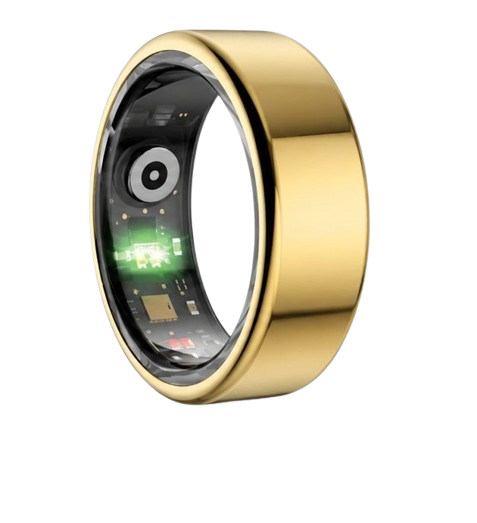
The Herz P1 Smart Ring tracks HRV, Sleep, Heart Rate & SpO2 around the clock. No subscriptions. No renewals. Ever.
In This Article
- The Glycemic Response of Matcha: Explore the science behind how pure matcha ranks on the glycemic scale.
- Antioxidants and Insulin Sensitivity: Learn how EGCG and L-theanine work together to regulate glucose metabolism.
- Diabetes-Friendly Matcha Hacks: Implement practical dietary adjustments to enjoy matcha safely without blood sugar spikes.
- Stress and Sleep Architecture: Discover how sleep quality and physiological stress directly impact your insulin resistance.
- Biometric Health Monitoring: See how the Herz P1 Smart Ring allows you to map recovery and stress markers seamlessly.
Does Matcha Spike Blood Sugar? The Ultimate Matcha Glycemic Index Guide Explains

To evaluate if matcha causes insulin surges, we must first analyze the fundamental concept of the glycemic index.
The glycemic index measures how rapidly a carbohydrate-containing food raises circulating blood glucose levels.
Pure matcha powder consists of ground green tea leaves and contains minimal carbohydrates.
Consequently, the pure matcha green tea glycemic index is functionally zero.
This means drinking pure matcha prepared with hot water will not trigger any direct elevation in blood sugar.
For individuals managing type 1 or type 2 diabetes, this represents a major physiological advantage.
People with diabetes must constantly evaluate the metabolic cost of their daily dietary choices.
Typical commercial beverages are packed with high-fructose corn syrup or sucrose, which cause dangerous glucose spikes.
In contrast, pure matcha offers a rich, satisfying alternative that delivers sustained energy without the glycemic penalty.
The timing of your matcha consumption also influences how your body handles dietary carbohydrates.
Consuming matcha alongside or shortly before a meal can help blunt the glycemic impact of other foods.
This blunting effect occurs because matcha delays gastric emptying and slows down the absorption of glucose in the small intestine.
These metabolic interactions occur primarily within the digestive tract and the bloodstream.
Inside the gut, matcha’s bioactive compounds inhibit key enzymes responsible for carbohydrate digestion.
This enzyme inhibition ensures that complex starches are broken down into simple sugars at a much slower, more manageable rate.
This slower rate prevents the pancreas from having to release massive amounts of insulin all at once.
The primary driver behind this blood sugar stabilization is epigallocatechin gallate, commonly known as EGCG.
EGCG is a highly potent catechin antioxidant found in abundance within high-quality green tea leaves.
EGCG has been shown in clinical literature to mimic insulin action and improve glucose utilization in skeletal muscle cells.
Furthermore, the high fiber content of whole ground matcha leaves provides additional physical resistance to rapid sugar absorption.
In terms of serving size, consuming one to two teaspoons of ceremonial-grade matcha daily is highly effective.
This dose delivers therapeutic amounts of EGCG and L-theanine without introducing excessive caffeine to your nervous system.
However, many people unintentionally compromise these benefits by choosing highly sweetened commercial variations.
Understanding the matcha latte glycemic index is crucial because added syrups and dairy milk can rapidly drive glycemic values upward.
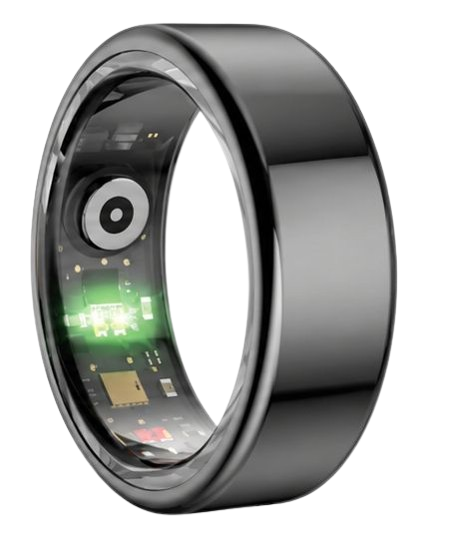
If you want to track this in real time, the Herz P1 Smart Ring monitors heart rate, sleep quality, and daily stress levels 24/7 — explore it here.
90-Day 100% Money-Back Guarantee
“The Herz Smart Ring helps me manage stress easily. It’s accurate, stylish, and lightweight—perfect for my busy life!”
— Jennifer P. | ✔ Verified Customer
- ✓ 6-Day Battery Life
- ✓ Detailed Sleep Analysis
- ✓ Fast 1-Hour Charging
- ✓ iOS & Android Ready
Questions? Call: 1-866-479-1629
The Physiology of Matcha: How EGCG and L-Theanine Direct Your Metabolic Health

To truly understand how matcha affects the body, we must define what is metabolic health in a modern context.
Metabolic health refers to how efficiently your body generates and processes energy at the cellular level.
A key indicator of metabolic efficiency is insulin sensitivity, or how responsive your cells are to insulin signals.
Developing long-term metabolic fitness requires keeping your baseline glucose levels within a narrow, healthy range.
The epigallocatechin gallate (EGCG) in matcha directly enhances this process by stimulating cellular energy pathways.
Specifically, EGCG activates adenosine monophosphate-activated protein kinase, commonly known as AMPK.
AMPK acts as a master metabolic regulator, forcing muscle cells to bring glucose transporters to their surface.
This mechanism allows your muscles to clear sugar from your blood without requiring excess insulin production.
Furthermore, EGCG has been shown to protect the delicate beta cells of the pancreas from oxidative damage.
Beta cells are responsible for producing and releasing insulin in response to rising blood glucose levels.
By safeguarding these cells, matcha ensures your body maintains its natural capacity to produce insulin over time.
Simultaneously, the unique amino acid L-theanine works in perfect synergy with matcha’s natural caffeine content.
L-theanine promotes the generation of alpha brain waves, which induce deep mental relaxation without causing drowsiness.
This is highly relevant because mental anxiety triggers the release of stress hormones like cortisol and adrenaline.
Cortisol directly interferes with insulin signaling, causing the liver to release stored glycogen into the bloodstream.
By neutralizing daily stress, L-theanine indirectly protects your cells from cortisol-induced insulin resistance.
This dual action of physical and psychological support makes the matcha glycemic index profile uniquely beneficial.
To keep a close eye on your autonomic nervous system’s stress levels, biometric monitoring is invaluable.
The Herz P1 Smart Ring continuously tracks your heart rate variability (HRV) as a proxy for nervous system balance.
A high HRV indicates that your body is resting, digesting, and recovering efficiently from physical and mental stress.
By tracking your HRV trends, you can easily observe how your body benefits from a relaxing matcha routine.
The Autonomic Connection: Why Sleep, Stress, and Glucose Spikes are Inextricably Linked
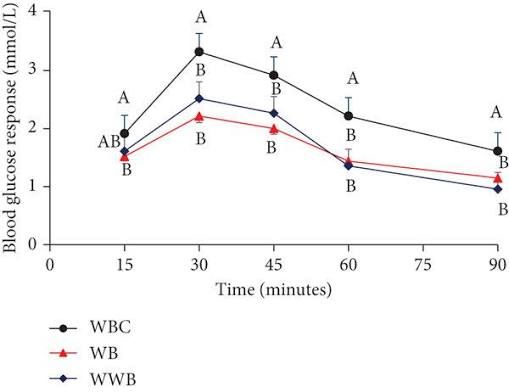
When exploring the relationship between tea and glucose, many people ask: does-matcha-raise-blood-sugar?
The clinical consensus is clear that unsweetened matcha does not raise blood sugar in any way.
However, your daily glucose levels are not determined solely by the specific foods and drinks you consume.
Your autonomic nervous system, sleep architecture, and stress levels play a massive role in blood sugar control.
Even a single night of sleep deprivation can reduce your insulin sensitivity by up to forty percent.
This rapid drop in insulin sensitivity can lead to unexpected overnight-glucose-spikes.
When you fail to enter deep sleep, your brain stays in a state of mild sympathetic dominance.
This sympathetic activation triggers an elevated heart rate and sustained cortisol secretion throughout the night.
The National Sleep Foundation warns that chronic sleep loss directly alters glucose tolerance and increases diabetes risk.
Therefore, managing your sleep stages is just as critical as managing your daily carbohydrate intake.
Using a comfortable, lightweight wearable is the easiest way to monitor these subtle sleep trends without disruption.
Unlike bulky smartwatches that need to be charged every night, the Herz P1 Smart Ring operates continuously.
Crafted from military-grade steel, it fits securely on your finger to record every stage of sleep.
The ring’s optical sensors track deep, REM, and light sleep stages with clinical-grade accuracy.
It also measures your blood oxygen saturation (SpO2) to ensure your breathing remains steady all night.
For individuals who want to track their metabolic health alongside sleep, glucose smart rings offer excellent biofeedback.
By pairing sleep metrics with a low-glycemic diet, you can identify precisely what factors cause your glucose to fluctuate.
Maintaining a balanced autonomic nervous system is the ultimate hack for long-term glycemic control.
Practical Application Guide & Lifestyle Tips
Five Diabetes-Friendly Hacks for Drinking Matcha Daily
To extract the maximum metabolic benefit from your matcha ritual, preparation is everything.
Here are five simple, science-backed hacks to keep your blood sugar perfectly flat while enjoying matcha.
First, always select 100% pure, ceremonial-grade Japanese matcha powder for your drinks.
Many commercial brands mix cheap green tea powder with milk solids, sugar, or cornstarch fillers.
These hidden additives instantly compromise the matcha green tea glycemic index and cause rapid glucose spikes.
Second, replace dairy milk with unsweetened plant-based alternatives like almond, macadamia, or coconut milk.
Dairy milk contains lactose, a natural sugar that can trigger an insulin response in sensitive individuals.
Unsweetened nut milks have virtually zero carbohydrates and will keep your matcha drink completely diabetic-friendly.
Third, add a generous pinch of organic Ceylon cinnamon to your matcha bowl before whisking.
Cinnamon has been shown in numerous clinical studies to naturally lower fasting blood glucose levels.
It also adds a natural sweetness that eliminates the need for honey, maple syrup, or agave.
Fourth, always consume your matcha alongside a source of healthy fats or high-quality protein.
Pairing your morning tea with a handful of raw walnuts or pumpkin seeds delays gastric emptying.
This simple trick ensures that any carbohydrates you consume later in the morning are absorbed very slowly.
Fifth, follow your daily matcha ritual with ten to fifteen minutes of light physical activity.
A brief walk after drinking matcha leverages the insulin-sensitizing effects of EGCG and active muscles.
This combination encourages your skeletal muscles to clear glucose from your bloodstream rapidly.
To see how these five hacks influence your physical recovery and stress levels, consult the Herz P1 App.
The free companion app allows you to log your daily habits and view real-time cardiovascular trends.
You can see if your afternoon walk after drinking matcha correlates with a healthier, more balanced HRV score.
Overcoming Risks & Common Mistakes
How to Avoid Biometric and Dietary Pitfalls
A very common mistake is wearing bulky, uncomfortable smartwatches to bed to track sleep recovery.
These heavy devices often press awkwardly against your wrist, causing minor arousal events during the night.
These micro-awakenings disrupt your deep sleep cycles and can cause subtle cortisol releases.
Additionally, many wearable brands hide your personal health data behind expensive monthly app subscriptions.
With the Herz P1 Smart Ring, you enjoy a lifetime of advanced biometric tracking with absolutely zero subscription fees.
On the dietary side, people frequently mistake culinary-grade matcha for ceremonial-grade powder.
Culinary matcha is made from older tea leaves harvested lower on the plant, giving it a bitter taste.
This bitterness often drives people to add honey, cane sugar, or artificial sweeteners to make it palatable.
These sweeteners completely erase the metabolic benefits of the matcha glycemic index.
Always invest in high-quality ceremonial-grade matcha, which has a naturally sweet, smooth, and vegetal flavor.
Another major mistake is drinking matcha too late in the afternoon or evening.
Even though L-theanine promotes relaxation, matcha still contains a moderate amount of caffeine.
Consuming caffeine within six hours of bedtime can significantly reduce your percentage of slow-wave deep sleep.
This deep sleep deprivation will impair your insulin sensitivity the following morning.
Try to consume your matcha before 2:00 PM to protect your natural sleep architecture.
You can use the Herz P1 Smart Ring to monitor if late-day caffeine consumption is fracturing your sleep stages.
Frequently Asked Questions (FAQ)
Is the Herz P1 Smart Ring waterproof?
Yes, the Herz P1 features a rugged IP68 waterproof rating for ultimate durability.
You can safely wear it while swimming, showering, washing dishes, or soaking in a hot bath.
It is engineered to withstand continuous water submersion up to a depth of 164 feet.
How long does the Herz P1 battery last on a single charge?
The ring features an ultra-long battery life of up to 6 days under normal daily use.
It charges from zero to one hundred percent in less than 1 hour using its compact magnetic dock.
This ensures you can track your biometrics continuously with minimal interruption.
Which finger is best to wear the smart ring on?
For the highest sensor accuracy, we recommend wearing the ring on your index, middle, or ring finger.
These fingers have the ideal blood vessel density close to the skin surface for optical tracking.
Ensure the ring fits snugly but comfortably without rotating too easily during your daily activities.
Does the Herz P1 store my biometric data offline?
Yes, the ring contains built-in flash memory that stores up to 7 days of local data offline.
You do not need to keep your smartphone nearby or connected to Bluetooth constantly.
Once you open the companion app, the ring will automatically sync all your saved health metrics.
Conclusion: Take Charge of Your Metabolic Balance Today
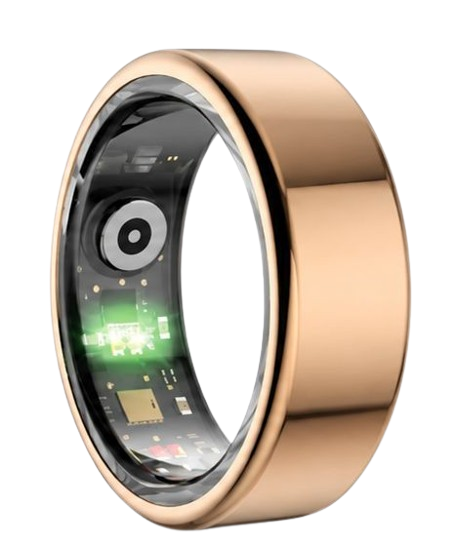
Managing your glycemic response is simple with pure matcha and smart habits. The Herz P1 Smart Ring is your ultimate companion to track sleep, stress, and metabolic recovery. Ready to monitor your health every day? Explore the Herz P1 Smart Ring and see if it fits your lifestyle. Call: **1-866-479-1629** — our team can help you advise on the correct ring size and set personalized health goals.
Note: Individual results may vary depending on individual health conditions, age, and lifestyle habits. This article is intended for general health reference purposes only.
