

Are you feeling constantly fatigued despite getting a full night of sleep? Understanding the deep connection between sugar and metabolism is the first step toward reclaiming your daily vitality. When we consume refined carbohydrates, our bodies undergo rapid physiological changes that alter sleep quality, heart rate variability, and metabolic efficiency. Our team at Herz P1 designed a premium, subscription-free tracking ring to help you monitor these vital health signals around the clock so you can make data-driven wellness choices.
Built to Last. Save Up to 69% Today.
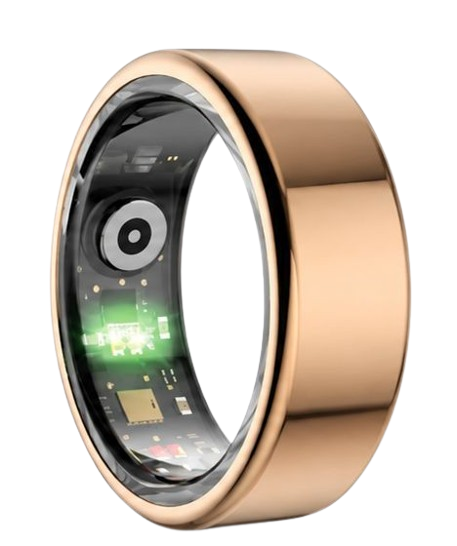
The Herz P1 Smart Ring tracks HRV, Sleep, Heart Rate & SpO2 around the clock. No subscriptions. No renewals. Ever.

In This Article
- How Sugar Affects Metabolism: A comprehensive look at glycemic pathways and physiological consequences.
- Does Sugar Slow Metabolism? Exploring the scientific consensus on energy expenditure and mitochondrial function.
- The Chronic Toll of Sucrose: Analysis of fructose-glucose combinations on hormonal balance.
- Reactive Hyperglycemia: How dramatic glucose crashes impair sleep and heart rate variability (HRV).
- Practical Biometric Hacks: How to track your recovery markers with the Herz P1 Smart Ring.
How Does Sugar Impact Your Metabolism? Here’s What the Science Reveals
What is the relationship between sugar and metabolism?
To understand the relationship between sugar and metabolic performance, we must first define the core physiological markers involved.
At its foundation, what is metabolic health is determined by how efficiently your body processes nutrients into cellular energy without causing systemic distress.
When you consume simple sugars, your gastrointestinal tract rapidly converts them into glucose, which enters your bloodstream.
This process triggers a cascade of hormonal responses that dictate whether you burn energy or store it as fat.
Who is affected by high-sugar metabolic strain?
This complex metabolic system affects everyone, but busy professionals and sleep-deprived individuals are particularly vulnerable to its disruptions.
When daily schedule demands rise, many people rely on convenient, high-sugar snacks to maintain temporary alertness.
This reliance creates an unstable cycle of energy spikes and crashes that directly impacts cognitive stamina and physical endurance.
Over time, this pattern can lead to cellular fatigue, metabolic dysfunction, and a compromised base metabolic rate.
When does sugar consumption cause the most disruption?
The timing of your sugar consumption plays a pivotal role in how your body manages glycemic load.
Consuming high-glycemic carbohydrates late in the evening can cause major overnight-glucose-spikes.
These nighttime spikes disrupt your natural circadian rhythm and prevent your autonomic nervous system from transitioning into a restorative state.
Monitoring these patterns helps you understand when your body is most sensitive to carbohydrate intake throughout the day.
Where does sugar processing occur in the body?
This physiological processing primarily occurs within your liver, skeletal muscle tissue, and cellular mitochondria.
The liver acts as the primary clearinghouse for incoming dietary sugars, sorting glucose and fructose differently.
Your cellular mitochondria then convert glucose into adenosine triphosphate (ATP), which serves as cellular fuel.
When these cellular engines are overloaded with sugar, excess energy is redirected to adipose tissue for storage.
Why does sugar overload matter for long-term wellness?
Understanding these pathways matters because chronic metabolic strain can lead to systemic mitochondrial dysfunction.
When cells are constantly exposed to elevated glucose levels, they become less responsive to insulin signaling.
This reduced insulin sensitivity forces the pancreas to produce even higher amounts of insulin to clear blood sugar.
As a result, your body remains in a continuous fat-storage mode, making weight management incredibly difficult.
How does sugar metabolism actually function?
The physiological mechanism involves the rapid absorption of simple sugars through the intestinal lining.
This absorption causes a sharp rise in blood glucose, prompting the immediate secretion of insulin from pancreatic beta cells.
Insulin then binds to cell receptors to facilitate glucose uptake for immediate energy production.
However, when sugar intake is too high, the liver converts excess glucose into triglycerides, promoting visceral fat deposition.
How much sugar is considered safe for metabolic balance?
According to guidelines from the American Heart Association, adults should limit added sugar intake significantly.
For men, the recommended limit is no more than nine teaspoons (36 grams) of added sugar per day.
For women, the threshold is even lower, resting at six teaspoons (25 grams) daily.
Yet, the average modern diet often contains more than triple these recommended amounts.
If you want to track how your metabolic choices impact your sleep quality and heart rate variability in real time, the Herz P1 Smart Ring monitors these metrics 24/7 — explore it here.
90-Day 100% Money-Back Guarantee
“The Herz Smart Ring helps me manage stress easily. It’s accurate, stylish, and lightweight—perfect for my busy life!”
— Jennifer P. | ✔ Verified Customer
- ✓ 6-Day Battery Life
- ✓ Detailed Sleep Analysis
- ✓ Fast 1-Hour Charging
- ✓ iOS & Android Ready
Questions? Call: 1-866-479-1629
Does Excessive Sugar Slow Your Metabolism?

Many individuals ask the fundamental question: does sugar slow metabolism directly over time?
The short answer is yes, but the mechanism is far more sophisticated than simple calorie math.
When you consume sugar, particularly in the form of fructose, your body processes it without triggering the normal satiety cues.
Fructose is metabolized almost entirely in the liver, unlike glucose which can be used by cells throughout your body.
This localized liver metabolism can lead to a condition called non-alcoholic fatty liver disease, which impairs insulin sensitivity.
As insulin resistance develops, your body requires more effort to clear glucose from the bloodstream, leading to metabolic slowing.
Furthermore, sugar consumption reduces the thermic effect of food compared to proteins or complex fibrous carbohydrates.
The thermic effect refers to the energy your body expends to digest and process nutrients.
Because simple sugars require very little energy to break down, your overall daily caloric burn decreases.
Over time, this combination of insulin resistance and reduced digestive energy expenditure creates a sluggish metabolic state.
This metabolic adaptation makes your body highly efficient at storing fat but highly inefficient at burning it.
By tracking your physiological markers daily, you can identify patterns that show when your metabolic health is under strain.
The Chronic Toll of Sucrose on Hormonal Regulation

To fully grasp the metabolic impact of sugar, we must evaluate the biochemical structure of common sugars.
Sucrose is a disaccharide comprised of fifty percent glucose and fifty percent fructose.
This combination represents a dual threat to your hormonal balance and metabolic fitness.
Glucose triggers a rapid insulin spike, while fructose silently overloads liver metabolic pathways.
This dual action interferes with two critical hormones: leptin and ghrelin.
Leptin is the hormone responsible for signaling fullness to your brain.
When fructose is consumed in large quantities, it promotes leptin resistance, leaving you feeling constantly hungry.
Simultaneously, sugar fails to properly suppress ghrelin, which is your primary hunger hormone.
This hormonal disruption leads to overeating and a continuous cycle of sugar cravings.
When hormonal signaling is broken, your body struggles to maintain stable energy levels.
Chronic sugar consumption essentially hijacks your endocrine system, making metabolic balance nearly impossible to sustain without dietary changes.
Understanding these underlying hormonal pathways is key to improving your long-term metabolic fitness.
Tracking Reactive Hyperglycemia and Heart Rate Variability

A major consequence of high sugar intake is reactive hyperglycemia followed by rapid hypoglycemia.
This roller coaster ride directly triggers your body’s sympathetic nervous system, commonly known as the fight-or-flight response.
When blood sugar crashes rapidly, your body perceives this as an acute emergency.
In response, your adrenal glands secrete cortisol and adrenaline to force stored glucose back into circulation.
This sudden hormone surge raises your heart rate and significantly reduces your heart rate variability (HRV).
HRV is a critical measure of autonomic nervous system balance, with higher scores indicating a healthy, resilient state.
When you consume sugar before sleep, your HRV often plummets, indicating high physiological stress.
This autonomic disruption severely compromises your sleep architecture, keeping you in light sleep stages.
According to research from the National Sleep Foundation, poor sleep quality directly worsens insulin resistance the following day.
Thus, a single high-sugar evening meal can create a multi-day cycle of poor sleep and impaired sugar metabolism.
Many health-conscious individuals are now turning to specialized tools like glucose smart rings to keep an eye on these physiological patterns.
Using Biometrics to Counteract Metabolic Disruption
Optimizing your metabolism requires tracking how your body responds to daily nutritional habits.
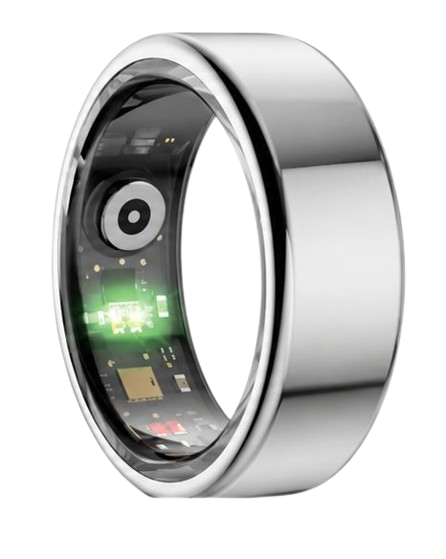
The Herz P1 Smart Ring offers a practical, elegant way to monitor your biometric trends without the bulk of standard smartwatches.
By reviewing your daily data in the Herz P1 App, you can observe exactly how sugar alters your recovery markers.
Step-by-Step Guide to Reading Your Herz P1 Metrics:
- Resting Heart Rate (RHR): Check your RHR trend during sleep. If you consumed high-sugar foods late in the day, you will likely see an elevated RHR, indicating your body is working harder to process nutrients and clear stress hormones.
- Heart Rate Variability (HRV): Review your nightly HRV average. A sudden drop in HRV indicates that dietary choices have triggered a sympathetic nervous system dominance, preventing deep physiological recovery.
- Sleep Architecture: Analyze the percentage of Deep and REM sleep stages. High sugar intake frequently fragments sleep, reducing the time spent in these critical restorative phases.
In addition to tracking these recovery metrics, learning how to use cgm for weight loss can help you connect your nutritional choices directly with your body’s glucose responses.
By pairing sleep and recovery data from the Herz P1 with glycemic trends, you gain a complete view of your metabolic health.
This integrated approach allows you to adjust your carbohydrate intake, optimize meal timing, and choose foods that keep your energy stable.
Because the Herz P1 is constructed from lightweight, military-grade materials, it remains comfortable to wear 24/7, ensuring you never miss a critical recovery data point.
The Pitfalls of Traditional Wearables and Hidden Costs
Many wellness enthusiasts try to monitor their health using traditional smartwatches, but quickly run into daily friction.
Bulky watches are uncomfortable to wear during sleep, leading users to leave them on the charger overnight.
This charging routine creates massive gaps in your sleep data, precisely when metabolic recovery metrics are most crucial.
Additionally, the wearable market is plagued by ongoing subscription models that lock your biometric data behind paywalls.
With other devices, you are forced to pay monthly app fees just to access the health metrics you paid to track.
The Herz P1 Smart Ring completely resolves these pain points by offering a superior hardware and software experience.
Our companion app is completely free for life, with absolutely no monthly subscriptions or hidden renewal costs.
The ring features a robust 6-day battery life and charges in under one hour, allowing you to wear it continuously without disruption.
Crafted from military-grade steel, it is fully IP68 waterproof and built to withstand the rigors of workouts, swimming, and daily life.
With a comprehensive 2-year warranty and a 90-day money-back guarantee, you can invest in your health with absolute peace of mind.
Frequently Asked Questions About Sugar and Metabolism
Conclusion
Tracking the relationship between sugar and metabolism is vital for your long-term health and performance.
The Herz P1 Smart Ring serves as your permanent, subscription-free health companion, offering clear biometric insights every single day.
Ready to monitor your health every day? Explore the Herz P1 Smart Ring and see if it fits your lifestyle. Call: 1-866-479-1629 — our team can help you advise on the correct ring size and set personalized health goals.
