

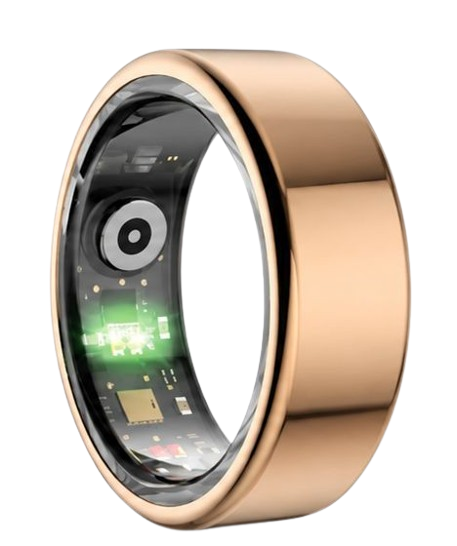
Determining the exact muesli glycemic index is essential for anyone seeking stable energy levels and precise metabolic control throughout their busy day. If you struggle with unpredictable post-meal fatigue, morning brain fog, or persistent cravings, finding the perfect balance between your breakfast choices and blood sugar spikes is key to unlocking optimal health. The premium, subscription-free Herz P1 smart ring helps you monitor how these nutritional choices impact your physiological recovery, sleep quality, and daily stress markers in real time.
Built to Last. Save Up to 69% Today.
The Herz P1 Smart Ring tracks HRV, Sleep, Heart Rate & SpO2 around the clock. No subscriptions. No renewals. Ever.
In This Article
-
We analyze the glycemic index of various muesli mixtures and how they impact blood sugar management.
-
We explore the physiological connections between complex grains, insulin sensitivity, and resting heart rate variability.
-
We detail how biometric tracking tools can help you establish stable, long-term metabolic health without invasive testing.
-
We provide actionable nutritional adjustments and recovery protocols to maximize your daily physical energy.
What is the Glycemic Impact of Muesli? An Analytical Breakdown

The muesli glycemic index measures how rapidly a standard portion of this raw, oat-based breakfast cereal elevates blood glucose levels.
Typically, unsweetened muesli features a moderate glycemic index value ranging from 43 to 56, depending heavily on the ratio of whole grains, seeds, and dried fruit.
This classification places it in the low-to-medium glycemic range, making it a highly discussed option for daily metabolic management.
Understanding this index is crucial because different processing techniques, such as rolling, puffing, or toasting, can dramatically alter how rapidly the starches are digested.
The physiological impact of glycemic ratings is determined by how quickly the glucose molecules enter your circulatory system after digestion.
Foods that digest slowly promote metabolic stability and prevent the metabolic stress associated with sudden insulin spikes.
Individuals managing type 2 diabetes, those diagnosed with prediabetes, and anyone tracking metabolic fitness should closely monitor this metric.
Busy working professionals who suffer from sudden mid-morning energy crashes will also benefit from understanding how raw grains affect their daily productivity.
Athletes seeking sustained, slow-release energy for long endurance sessions often rely on these complex carbohydrates to build stable glycogen stores.
By monitoring how your body responds to these nutritional inputs, you can tailor your diet to prevent extreme glucose fluctuations.
Aging adults who want to protect their cardiovascular health and maintain steady vascular function should also pay close attention to raw grain quality.
Our team at Herz P1 has observed that users who stabilize their morning blood sugar report significantly higher daytime focus scores and better overall physical stamina.
This glycemic behavior is especially critical in the early morning hours when cortisol levels naturally peak and transient insulin resistance is higher.
Consuming high-glycemic foods during this breakfast window can initiate a metabolic roller coaster that lasts for the remainder of the day.
It also becomes highly relevant in the evening, as late-night carbohydrate consumption can trigger overnight-glucose-spikes that degrade cardiovascular recovery during sleep.
Knowing when to consume these complex grains helps you align your nutritional intake with your body’s natural circadian rhythms.
Timing your grain intake immediately after physical exercise can also improve glycogen synthesis while lowering the net insulin required for glucose clearance.
Regularly tracking these patterns helps you establish a highly personalized eating schedule that supports your active lifestyle.
This metabolic reaction occurs deep within the vascular system, where glucose is absorbed through the small intestine and distributed to skeletal muscles and organs.
The liver and pancreas work continuously to coordinate insulin secretion and restore systemic equilibrium after every single meal.
Wearable biological sensors, particularly glucose smart rings, allow you to observe these internal processes from the comfort of your home.
Having a clear view of where your body experiences physiological stress helps you make informed choices during your weekly grocery shopping.
These cellular processes are reflected in your peripheral capillaries, where advanced biometric sensors can read subtle changes in blood volume pulse and arterial flow.
Monitoring these physical signals provides an objective window into how your organs are responding to your daily diet.
The moderate glycemic index of raw muesli is primarily driven by the presence of soluble beta-glucan fiber found in high-quality oats.
This soluble fiber forms a thick gel-like substance during digestion, which significantly delays gastric emptying and slows starch breakdown.
However, many commercial muesli brands add refined sugars, honey, or excessive amounts of high-sugar dried fruits like raisins and dates.
These additives bypass the natural fiber barrier, causing rapid enzymatic digestion and sudden surges in blood sugar.
When blood glucose rises too rapidly, the body faces oxidative stress and brief periods of systemic inflammation.
Minimizing these inflammatory events is essential for protecting your blood vessels and preserving long-term heart health.
When you consume complex carbohydrates, digestive enzymes slowly break down the starch molecules into simple glucose units.
These units enter the bloodstream gradually, keeping insulin secretion steady and preventing pancreatic exhaustion.
Conversely, consuming highly processed grains causes a rapid influx of glucose, forcing the pancreas to release a large bolus of insulin.
This massive insulin surge often leads to reactive hypoglycemia, leaving you feeling exhausted, irritable, and hungry within two hours.
The body attempts to compensate for this energy drop by triggering cravings for fast-acting, sugary foods.
Breaking this exhausting cycle is the first step toward reclaiming your physical energy and mental clarity.
A standard serving of 100 grams of unsweetened muesli contains approximately 56 grams of carbohydrates and 8 to 10 grams of dietary fiber.
This nutritional profile yields a moderate glycemic load of roughly 12 to 15, which is significantly lower than most commercial toasted cereals.
To maintain stable metabolic health, experts suggest targeting foods with a glycemic index below 55 and a glycemic load below 10 per serving.
By adjusting your portion sizes and adding extra healthy fats, you can easily lower the overall glycemic impact of your breakfast bowl.
Clinical assessments show that reducing glycemic load by just twenty percent can lead to a measurable increase in daily heart rate variability.
These small, quantitative adjustments build the foundation for excellent systemic resilience and metabolic flexibility.
If you want to track this in real time, the Herz P1 Smart Ring monitors these systemic recovery markers 24/7 — explore it here.

90-Day 100% Money-Back Guarantee
“The Herz Smart Ring helps me manage stress easily. It’s accurate, stylish, and lightweight—perfect for my busy life!”
— Jennifer P. | ✔ Verified Customer
- ✓ 6-Day Battery Life
- ✓ Detailed Sleep Analysis
- ✓ Fast 1-Hour Charging
- ✓ iOS & Android Ready
Questions? Call: 1-866-479-1629
Is Muesli Healthy for Diabetics? Analyzing Grains and Metabolic Fitness

When determining whether is muesli healthy for diabetics, we must look beyond basic caloric numbers and focus on fiber quality.
Raw oats contain high concentrations of beta-glucans, which clinical research shows can improve insulin sensitivity over time.
These fibers act as prebiotics, nourishing beneficial gut bacteria that produce short-chain fatty acids critical for glucose regulation.
This biological mechanism explains why many nutritionists agree that is muesli good for diabetes when prepared without added processed sweeteners.
However, the absolute glycemic response to any grain dish is highly individualized.
Two people can eat the exact same portion of muesli and experience wildly different blood sugar curves based on their current gut microbiome and metabolic health.
To understand your specific reaction, we must examine how your cardiovascular system behaves during and after digestion.
The American Heart Association has long documented that acute glycemic surges cause brief periods of arterial stiffness and temporary shifts in autonomic tone.
This cardiovascular response can be observed through subtle changes in your resting heart rate and autonomic nervous system activity.
Comparing muesli to the typical granola glycemic index highlights why raw preparation is superior to baked alternatives.
Granola is typically baked with vegetable oils and heavy sweeteners, which speeds up digestion and compromises the structural integrity of the oat fiber.
This processing elevates granola’s glycemic index into the high category, often exceeding 70.
Muesli, on the other hand, keeps the ingredients raw and unrefined, preserving the natural physical structure that limits rapid digestive enzyme access.
For diabetics, this physical barrier is the difference between a gentle glucose curve and a steep, dangerous spike.
Adding healthy fats like walnuts, chia seeds, or raw almonds to your breakfast bowl further blunts the post-meal glucose response.
These fats slow down gastric emptying even further, ensuring that the carbohydrates are released into the blood in a controlled, predictable manner.
Monitoring these subtle metabolic trends over several weeks will give you a clear picture of how grains fit into your unique dietary needs.
With the advanced biometric tracking of the Herz P1 Smart Ring, you can closely watch how your autonomic nervous system responds to these daily dietary adjustments.
Unsweetened muesli also contains valuable trace minerals like magnesium, which plays a vital role in cellular glucose uptake and insulin signaling pathways.
Chronic magnesium deficiency is common among prediabetics and can severely impair your body’s ability to clear glucose from the blood.
Eating nutrient-dense, raw grains helps replenish these essential mineral stores naturally.
This nutritional strategy supports your body’s innate metabolic machinery without the need for synthetic supplements.
As your insulin sensitivity improves, you will notice that your heart rate stabilizes much faster after moderate physical activity.
These encouraging trends are easily tracked on your personalized wellness dashboard in the Herz P1 App.
By connecting your food choices with real-time biological feedback, you can make lifestyle adjustments that yield lasting benefits.
The Autonomic Link: How Muesli and Blood Sugar Levels Shift Your HRV
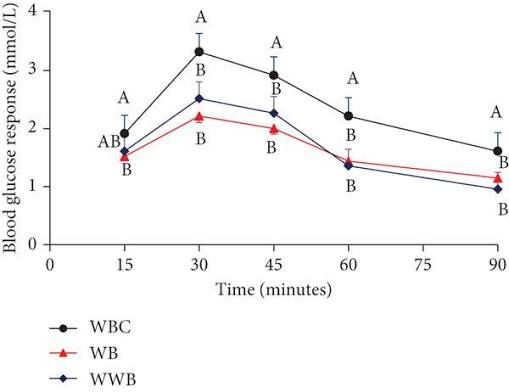
Many people ask: does muesli spike blood sugar, and does that spike actually matter if I do not feel sick?
The truth is that every major fluctuation in blood glucose acts as a transient physical stressor on your autonomic nervous system.
When blood sugar rises rapidly, your body activates the sympathetic nervous system, commonly known as the “fight-or-flight” response, to help manage the metabolic load.
This sympathetic dominance causes a temporary drop in heart rate variability, or HRV, which is a key marker of your body’s resilience and recovery.
By tracking your HRV throughout the day, you can see exactly when a meal has placed an unnecessary burden on your cardiovascular system.
A sustained decrease in your daytime HRV after eating muesli is a clear indicator that the blend contains too many fast-acting sugars.
This relationship between nutrition and autonomic balance is a cornerstone of modern what is metabolic health assessment.
Furthermore, these metabolic disturbances do not stop when you go to sleep.
Eating a high-glycemic meal late in the evening can cause profound overnight-glucose-spikes while you are resting.
As blood sugar peaks and then crashes overnight, the brain releases stress hormones like cortisol and adrenaline to prevent severe hypoglycemia.
According to research from the National Sleep Foundation, these nocturnal hormonal surges disrupt your sleep architecture by suppressing deep slow-wave sleep and fragmenting REM cycles.
You may wake up feeling exhausted and unrefreshed, even if you spent eight full hours in bed.
The Herz P1 Smart Ring utilizes high-precision optical sensors to track these overnight physiological shifts with incredible detail.
By measuring heart rate, HRV, and blood oxygen saturation (SpO2) every few minutes, the ring helps you connect daytime food choices with overnight recovery scores.
Understanding these connections allows you to refine your diet to protect both your cardiovascular health and your sleep quality.
This continuous stream of biometric data takes the guesswork out of nutrition, helping you build a lifestyle that supports long-term vitality.
When your sleep is fragmented by glucose instability, your body’s ability to regulate insulin the following day is also compromised.
This creates a negative feedback loop where poor sleep drives higher carbohydrate cravings and increased insulin resistance.
Breaking this cycle requires a deep understanding of how your body behaves during its nightly recovery phases.
High-quality sleep is the time when your vascular walls repair and your autonomic nervous system resets its resting baseline.
If your heart rate remains elevated during the first half of the night, it is a sign that your digestive system is still working hard to process late-night sugars.
Adjusting your evening meals to focus on low-glycemic, fiber-rich options can dramatically improve your nightly resting heart rate.
You will see these positive improvements reflected in your sleep staging analysis, with longer periods of deep, restorative sleep.
The Herz P1 Smart Ring makes it easy to track these subtle improvements over weeks and months.
Having access to this continuous biological feedback empowers you to make proactive decisions that support your long-term wellness.
Practical Application: Managing Blood Sugar and Optimizing Your Biometric Data
Integrating muesli into a healthy lifestyle requires a strategic approach to food prep and biometric monitoring.
First, always choose raw, organic muesli that contains zero added cane sugars, syrup, or honey.
You should inspect the ingredient list to ensure that whole-grain oats, pumpkin seeds, sunflower seeds, and almonds make up the majority of the blend.
Second, control your portion sizes by limiting your raw intake to half a cup per serving.
Third, combine your grains with a clean protein source, such as unsweetened Greek yogurt or organic pea protein powder, to lower the overall glycemic index of the meal.
After eating, use your companion app to monitor your physiological markers during your postprandial window.
A light fifteen-minute walk after your meal can significantly assist muscle tissue in absorbing glucose directly from the bloodstream, minimizing insulin demand.
You can verify the effectiveness of this simple habit by checking your afternoon stress and HRV scores on the Herz P1 App.
Over several weeks, you will start to see clear patterns showing which grain ratios support stable cardiovascular metrics and high sleep scores.
The ultra-lightweight, military-grade steel construction of the Herz P1 ensures you can comfortably collect this data 24/7 without the distraction of a heavy wrist wearable.
This seamless integration makes it easier than ever to build sustainable, health-focused habits that last a lifetime.
Overcoming the Pitfalls of Heavy Wearables and Hidden App Costs
Many people who are eager to monitor their health make the mistake of wearing a heavy, bulky smartwatch to bed.
These large wrist devices frequently shift during the night, leading to sensor misalignment and highly inaccurate sleep staging data.
Furthermore, the physical discomfort of a thick watch strap can actually trigger micro-arousals, artificially degrading your sleep quality.
The Herz P1 Smart Ring solves this problem entirely by packing clinical-grade optical sensors into a sleek, low-profile ring design.
Another major frustration in the wearable market is the hidden cost of ongoing monthly app subscriptions.
Several prominent brands lock your personal health data because of ongoing business structures, requiring you to pay heavy fees just to view your historical metrics.
We believe that you should never have to pay a subscription to access your own biological information.
The Herz P1 App is completely free for lifetime, providing full access to all advanced HRV, sleep, and SpO2 trends with absolutely no monthly fees.
When choosing your smart ring, ensure you utilize our custom finger-sizing kit to find the perfect fit.
A secure, snug fit on your index or middle finger prevents the ring from rotating, ensuring continuous and highly accurate PPG readings.
Frequently Asked Questions About Herz P1 and Metabolic Tracking
Is the Herz P1 Smart Ring waterproof enough for daily swimming?
Yes, the Herz P1 features a certified IP68 waterproof rating that allows for continuous submersion in water up to 164 feet deep.
This durable construction means you can safely wear the ring while swimming, showering, washing dishes, or relaxing in a hot tub.
The military-grade steel exterior protects the delicate internal sensors from moisture damage in any everyday environment.
How long does the battery last on a single charge?
The Herz P1 Smart Ring delivers up to six days of continuous, reliable tracking on a single charge.
When the battery does run low, the ring can be fully recharged in under one hour using the included magnetic charging cradle.
This long battery life eliminates the daily charging anxiety that is so common with modern smartwatches.
Which finger is best for wearing the smart ring to track health data?
For the absolute highest sensor accuracy, we recommend wearing the Herz P1 on your index, middle, or ring finger.
These fingers have a rich vascular network near the skin surface, which allows our optical sensors to easily capture clean heart rate signals.
Ensure the ring fits snugly but comfortably without rotating excessively during your daily physical activities.
Does the ring store biometric data offline when not connected to a phone?
Yes, the Herz P1 has built-in local memory that can securely store up to seven days of complete biometric data offline.
As soon as you open the companion app near your phone, the ring will automatically sync and upload your stored history.
This feature allows you to travel, exercise, or sleep without needing to keep your smartphone nearby at all times.
Conclusion: Your Subscription-Free Wellness Journey Starts Here
Stabilizing your blood sugar starts with smart nutritional choices and consistent, effortless health tracking.
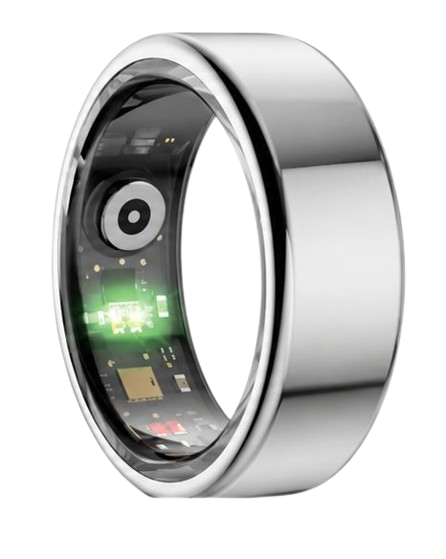
The premium, subscription-free Herz P1 Smart Ring is your ultimate companion for monitoring sleep, stress, and cardiovascular recovery every day.
Ready to discover your perfect fit? Explore the Herz P1 Smart Ring and see if it fits your lifestyle.
Call us at 1-866-479-1629 to speak with our sizing team and set your personal health goals today.
Note: Individual results may vary depending on individual health conditions, age, and lifestyle habits. This article is intended for general health reference purposes only.
