

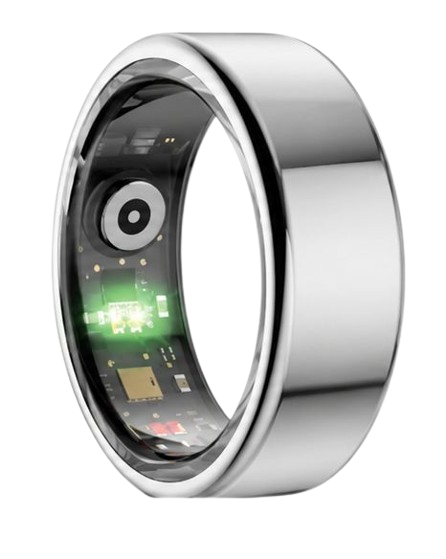
Recent clinical studies show that over 37 million Americans manage diabetes daily, making dessert choices a critical part of their health management. Knowing the frozen yogurt glycemic index helps you enjoy sweet treats without risking dangerous blood sugar surges. Tracking how your body responds to these foods is easier than ever with the Herz P1 Smart Ring, a premium subscription-free biometric wearable designed to monitor your real-time physiological indicators.
Built to Last. Save Up to 69% Today.
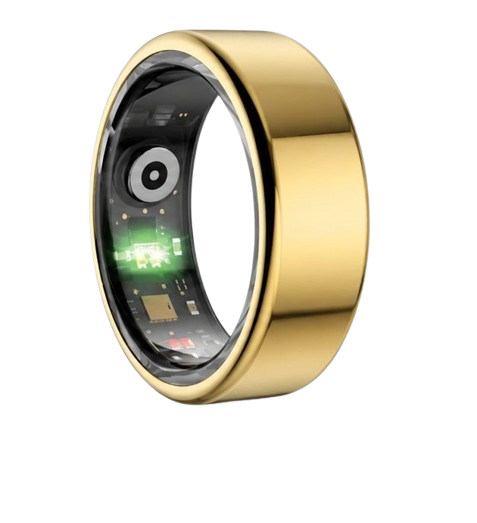
The Herz P1 Smart Ring tracks HRV, Sleep, Heart Rate & SpO2 around the clock. No subscriptions. No renewals. Ever.
In This Article
- Is Frozen Yogurt Safe? A complete 5W2H analysis of its metabolic suitability.
- Glycemic Index & Sucrose Science: Understanding the molecular impact of dairy carbohydrates.
- Tracking Metabolic Responses: Utilizing sleep architecture, HRV, and smart rings to capture glucose trends.
- Practical Dessert Sizing: Actionable strategies to safely enjoy frozen desserts.
Is Frozen Yogurt Ok for Diabetics? Here’s What the Science Says

Understanding how frozen yogurt impacts blood sugar is critical for anyone managing metabolic conditions.
Many people ask: is frozen yogurt good for diabetics?
To answer this, we must examine what frozen yogurt actually is.
Frozen yogurt is a fermented dairy dessert, but it is often loaded with added sugars to mask the natural tartness of the lactic acid.
This high sugar content directly affects individuals with type 1 or type 2 diabetes who must regulate their glycemic excursions.
The timing of when you consume this dessert also plays a massive role in how your body processes the glucose load.
For instance, eating frozen yogurt late at night can cause prolonged blood sugar elevation during your sleep cycles.
This metabolic challenge occurs primarily in the small intestine, where simple sugars are rapidly absorbed into the bloodstream.
Why does this matter to your overall health and daily energy levels?
When blood sugar spikes, your pancreas must work harder to release insulin, or you must administer exogenous insulin to compensate.
How your body manages this glucose influx can be analyzed quantitatively by looking at the glycemic index of the food.
Standard frozen yogurt has a glycemic index that ranges from moderate to high, typically between 50 and 80 depending on the brand and formulation.
A serving of regular frozen yogurt can contain up to 35 grams of carbohydrates, which is equivalent to nearly nine teaspoons of pure sugar.
This massive carbohydrate load can trigger a rapid release of glucose into your bloodstream.
Your body responds to these sudden swings by altering your heart rate and autonomic nervous system activity.
If you want to track this in real time, the Herz P1 Smart Ring monitors your physical recovery and stress indices 24/7 — explore it here.
By watching your sleep quality and heart rate variability trends, you can easily see how different foods affect your systemic recovery overnight.

90-Day 100% Money-Back Guarantee
“The Herz Smart Ring helps me manage stress easily. It’s accurate, stylish, and lightweight—perfect for my busy life!”
— Jennifer P. | ✔ Verified Customer
- ✓ 6-Day Battery Life
- ✓ Detailed Sleep Analysis
- ✓ Fast 1-Hour Charging
- ✓ iOS & Android Ready
Questions? Call: 1-866-479-1629
Decoding the Carbs: What is Sucrose and Sugar-Free Frozen Yogurt?

When evaluating desserts, we must understand the chemical differences between various sweetening agents.
This detailed analysis is covered extensively in our comprehensive frozen yogurt glycemic index guide.
Traditional frozen yogurt is heavily sweetened with sucrose, high-fructose corn syrup, or fruit purees.
Sucrose is a disaccharide composed of equal parts glucose and fructose.
Once ingested, your digestive enzymes break sucrose down rapidly, causing a sharp rise in blood glucose.
On the other hand, sugar free frozen yogurt relies on alternative sweeteners like sugar alcohols or artificial sweeteners.
Sugar alcohols, such as maltitol, erythritol, and sorbitol, have a much lower glycemic impact than regular sugars.
However, they are not completely free of carbohydrates, and they can still cause mild blood sugar shifts in sensitive individuals.
This chemical difference directly dictates what is metabolic health and how your body maintains homeostasis.
When you consume high-glycemic foods, your cellular insulin receptors can become overwhelmed over time.
This consistent stress on your pancreas can lead to insulin resistance, which is the hallmark of type 2 diabetes.
Knowing how to navigate these nutritional differences allows you to make informed dietary decisions every day.
Regular frozen yogurt typically has a glycemic load that makes it difficult to fit into a strict diabetic meal plan.
Glycemic load takes into account both the glycemic index and the total amount of carbohydrates in a typical serving.
Even if a food has a moderate glycemic index, eating a large portion will result in a high glycemic load.
This is why portion control remains one of the most effective strategies for maintaining metabolic stability.
Clinical research from the American Heart Association indicates that limiting added sugars is vital for long-term cardiovascular health.
High blood sugar levels can damage blood vessels and increase the risk of heart disease over time.
This cardiovascular strain is often reflected in your physiological signals, such as resting heart rate and arterial pulse waves.
The Herz P1 Smart Ring uses medical-grade optical sensors to track these subtle cardiovascular indicators continuously.
By measuring your blood oxygen levels and resting heart rate, our ring helps you monitor your systemic responses to daily dietary habits.
This passive tracking provides an objective look at your physical well-being without requiring manual data entry.
Biometric Diagnostics: Tracking Glucose and Overnight Spikes

Many individuals with diabetes experience sudden, unexplained blood sugar rises while they sleep.
These events are commonly referred to as overnight-glucose-spikes.
These nocturnal surges are often triggered by eating high-glycemic desserts close to bedtime.
When you consume frozen yogurt late in the evening, your body processes the sugars during your deepest sleep stages.
This digestive activity can disrupt your autonomic nervous system and elevate your sleeping heart rate.
Historically, tracking these overnight trends required using invasive continuous glucose monitors.
Today, many health-conscious individuals are exploring glucose smart rings and other non-invasive trackers to understand their metabolic patterns.
While smart rings do not directly measure blood glucose levels, they track the physiological stress caused by metabolic fluctuations.
For example, a sudden blood sugar spike often triggers a temporary drop in your heart rate variability.
Heart rate variability, or HRV, is a direct measure of the variation in time between each heartbeat.
A higher HRV typically indicates a healthy, relaxed autonomic nervous system that is ready to adapt to stress.
Conversely, a low HRV suggests that your body is working hard to restore physiological balance, often due to physical stress or poor digestion.
When your body is forced to process excess sugars overnight, your sympathetic nervous system remains highly active.
This elevated sympathetic activity prevents your body from entering deep, restorative sleep cycles.
Deep sleep is the critical phase where your tissues repair themselves and your metabolic health is optimized.
If you do not get enough deep sleep, your body’s insulin sensitivity can decrease the following day.
This creates a frustrating cycle of poor sleep, increased sugar cravings, and unstable blood sugar levels.
The Herz P1 Smart Ring tracks your sleep architecture, including deep, light, and REM sleep phases, with an impressive 82% agreement with clinical polysomnography.
By reviewing your sleep data in our free mobile application, you can easily identify if your evening froyo is ruining your sleep quality.
This allows you to make data-backed adjustments to your evening habits to support better metabolic and cardiovascular health.
The Physiological Link Between Sugar, Stress, and Heart Rate Variability
Your metabolic health and your body’s stress response are deeply interconnected.
This relationship is a primary focus of modern metabolic fitness research.
When you experience chronic stress, your adrenal glands release cortisol, a hormone that naturally raises blood sugar levels.
Cortisol stimulates your liver to release glucose into your bloodstream, preparing your body for a fight-or-flight response.
If you couple high mental stress with a high-sugar diet, your body faces a double metabolic challenge.
This combined strain can lead to chronic low-grade inflammation and accelerated vascular aging.
To prevent these issues, it is essential to monitor how your body handles both physical and mental stressors.
The American Heart Association emphasizes that managing psychological stress is just as important as maintaining a balanced diet.
Biometric tracking devices offer a window into this complex physiological interplay.
Optical sensors in smart wearables measure your arterial pulse waves to calculate your real-time stress index.
These sensors work by emitting light through your skin and measuring how much light is absorbed by your blood vessels.
This technology, known as photoplethysmography, allows for highly accurate tracking of your heart rhythm.
The Herz P1 Smart Ring utilizes a multi-wavelength optical sensor array to capture these signals at the base of your finger.
The skin at the base of your finger is rich in capillaries, making it an ideal location for high-fidelity biometric reading.
Our ring processes these signals every five minutes to calculate your HRV Stress Index.
This continuous tracking helps you see exactly when your body enters a state of high stress during the day.
Armed with this data, you can practice deep breathing or adjust your schedule before your stress levels impact your metabolic health.
A Practical Guide to Managing Sugar Spikes While Enjoying Frozen Yogurt
You do not have to completely give up frozen yogurt if you are managing diabetes.
With the right strategies, you can minimize the glycemic impact of this popular dessert.
First, always pay close attention to portion sizes when visiting a frozen yogurt shop.
It is easy to overfill large self-serve cups, leading to an accidental overload of carbohydrates.
Second, choose your toppings wisely, as they can quickly double the glycemic load of your treat.
Instead of candy, syrup, or cookie crumbs, opt for high-fiber or high-fat toppings like nuts and seeds.
Almonds, walnuts, and chia seeds provide healthy fats and fiber that slow down the absorption of sugars in your digestive tract.
This simple addition can significantly flatten your post-dessert glucose curve.
Third, try to eat frozen yogurt immediately after a high-protein, high-fiber meal.
Having protein and fiber in your stomach before eating simple sugars helps delay gastric emptying.
This delayed digestion prevents glucose from entering your bloodstream all at once.
Fourth, consider taking a brisk fifteen-minute walk after enjoying your dessert.
Light physical activity encourages your skeletal muscles to absorb glucose directly from your blood for energy.
This muscle uptake occurs without requiring extra insulin, helping to naturally lower your blood sugar levels.
Fifth, use biometric data to see how these different strategies work for your unique body.
By tracking your resting heart rate and sleep quality with the Herz P1 Smart Ring, you can observe how different eating patterns affect your recovery.
For instance, you might find that eating frozen yogurt at lunch has zero impact on your sleep, while eating it at 9:00 PM ruins your deep sleep phase.
This personalized feedback is invaluable for building a lifestyle that supports both pleasure and health.
Comparing Dessert Alternatives for Better Glycemic Control
To help you make the best choices at the dessert bar, we have compiled a comparison of common options.
The table below shows the glycemic index, carbohydrate content, and metabolic impact of various sweet treats.
This data is designed to guide your daily choices for optimal metabolic fitness.
| Dessert Option (1/2 Cup) | Glycemic Index (GI) | Carbohydrates (Grams) | Metabolic Impact Profile |
|---|---|---|---|
| Regular Frozen Yogurt | Medium to High (65-75) | 25g – 35g | Rapid glucose spike, high insulin demand |
| Sugar-Free Frozen Yogurt | Low to Medium (30-40) | 15g – 20g | Moderate rise, dependent on sugar alcohols used |
| Plain Greek Yogurt with Stevia & Berries | Very Low (15-20) | 6g – 8g | Extremely stable, high protein slows absorption |
| Traditional Ice Cream | Medium (50-60) | 16g – 22g | Moderate spike, delayed slightly by milk fat |
| Fruit Sorbet | High (70-85) | 30g – 40g | Very rapid spike, lack of fat and protein |
Overcoming the Risks of Inaccurate Tracking and Hidden Wearable Costs
Many people make the mistake of tracking their health with bulky smartwatches.
These large devices are often highly uncomfortable to wear while sleeping.
If a tracker is uncomfortable, you are much more likely to leave it on your nightstand.
This leads to massive gaps in your historical sleep and recovery data.
Furthermore, many premium wearable brands require a monthly subscription to access your own biometric data.
These ongoing fees can quietly add up to hundreds of dollars over a few years.
At Team Herz P1, we believe that your health data belongs entirely to you.
This is why the Herz P1 Smart Ring features a completely free mobile app with no subscription fees for life.
Our ring is crafted from ultra-lightweight, military-grade stainless steel that weighs just a few grams.
Its slim, ergonomic profile is so comfortable that you will easily forget you are wearing it.
This comfort ensures continuous, uninterrupted 24/7 tracking of your body’s vital signs.
Additionally, we back our hardware with a comprehensive 2-year warranty and a 90-day money-back guarantee.
This commitment ensures that you can invest in your long-term health with total peace of mind.
Frequently Asked Questions About Glycemic Index and Biometric Tracking
Yes, the Herz P1 features an advanced IP68 waterproof rating.
It is certified for continuous water submersion up to 164 feet.
This means you can safely wear it while swimming, showering, or washing your hands.
It is built to withstand your daily life without any risk of water damage.
Our ring offers an impressive 6 days of continuous battery life on a single charge.
It charges incredibly fast, going from empty to full in under 1 hour.
This minimizes the time your ring spends on the charger and maximizes tracking time.
You only need to charge it once a week during your morning routine.
The index, middle, or ring finger of your non-dominant hand are the best choices.
These fingers have the most accessible blood vessels for our optical sensors.
A snug but comfortable fit ensures the highest level of biometric accuracy.
Every order includes a free sizing kit to help you find your perfect fit.
Yes, the ring has secure onboard storage that holds up to 7 days of data offline.
You do not need to keep your phone nearby or connected to Bluetooth at all times.
Once you open the app, your stored data will sync automatically in seconds.
This ensures that your health trends are never lost, even during outdoor adventures.
It depends entirely on the ingredients, sugar content, and portion size.
Many commercial options contain hidden sugars that can stall weight loss.
Choosing sugar-free varieties and tracking your body’s stress response can help you stay on track.
Using a smart ring to monitor your active calorie burn and sleep quality provides the complete picture.
Conclusion
Managing your metabolic health starts with understanding how your body responds to everyday treats. The Herz P1 Smart Ring offers the continuous, subscription-free insights you need to make confident choices. Ready to monitor your health every day? Explore the Herz P1 Smart Ring. Call: 1-866-479-1629 — our team can help advise on your ring size.
