

Managing your blood sugar starts with understanding how daily meals like flatbreads affect your body, which is why decoding the roti carbs glycemic index is essential for anyone balancing metabolic health. To truly understand how these carbohydrates affect your unique physiology, wearing a high-performance tracking device like the Herz P1 Smart Ring provides real-time biometric tracking to help you monitor your recovery, sleep, and physical activity seamlessly.
Built to Last. Save Up to 69% Today.
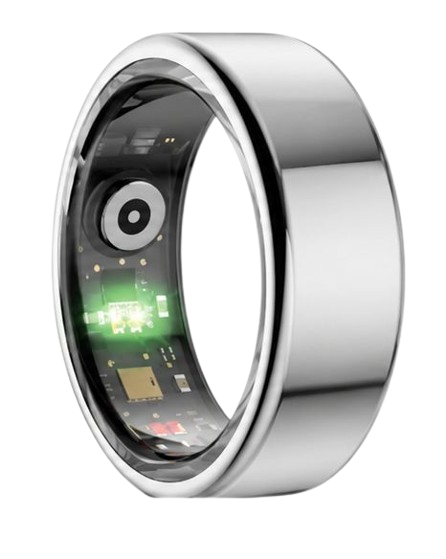
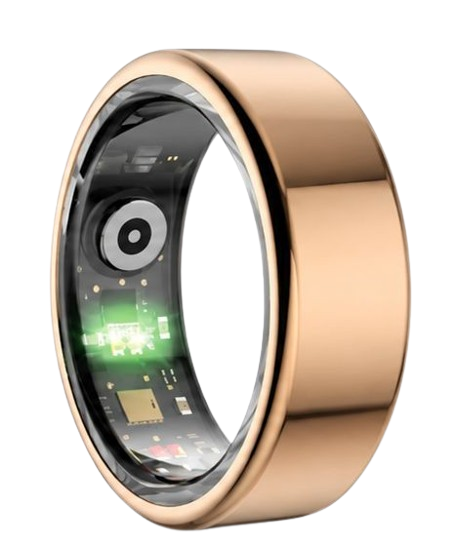
The Herz P1 Smart Ring tracks HRV, Sleep, Heart Rate & SpO2 around the clock. No subscriptions. No renewals. Ever.
In This Article
- The comprehensive breakdown of carbs in roti and how they impact individuals with diabetes.
- How the glycemic index of whole wheat flatbreads compares to other popular breakfast grains.
- The direct physiological connection between post-meal glucose spikes, sleep architecture, and stress.
- Actionable dietary hacks and alternative flour profiles to optimize your daily metabolic health.
- How continuous biometric tracking with the Herz P1 Smart Ring helps you decode your body’s wellness signals without recurring fees.
Does Roti Fit Into a Diabetic Diet? Here Is What the Science Says

Managing diabetes or insulin resistance requires a deep understanding of how everyday staple foods affect your blood glucose levels.
Traditional roti, a popular unleavened flatbread, is a primary source of dietary carbohydrates for millions of people worldwide.
The relationship between carbs in roti and your body depends heavily on the glycemic index (GI), which measures how quickly a food raises blood sugar.
A standard stone-ground whole wheat roti has a moderate glycemic index, typically ranking between 52 and 62 on the scale.
This moderate rating means it digests more slowly than refined white flour, but it still contains a significant carbohydrate load.
A single medium-sized roti contains approximately 15 to 20 grams of carbohydrates, which can accumulate rapidly during a single meal.
For individuals managing type 2 diabetes or prediabetes, understanding this balance is crucial for maintaining daily glycemic control.
Eating multiple rotis without balancing them with protein or healthy fats can lead to sudden blood sugar surges.
These carbohydrate loads require careful monitoring, especially during evening meals when physical activity levels naturally decline.
When you consume these carbs late in the day, they can directly impact your metabolic recovery and sleep architecture.
In addition to portion sizes, the exact preparation method of the flatbread plays a significant role in its digestion rate.
Applying oil or ghee to the roti can actually lower its immediate glycemic impact by slowing down gastric emptying.
However, this also increases the overall caloric density of the meal, which is a key consideration for weight management.
The speed of digestion also depends on whether the wheat was stone-ground or industrially milled at high temperatures.
Industrially processed wheat flour often loses its natural fibrous structure, leading to quicker enzymatic breakdown in the stomach.
This process results in a higher postprandial glucose spike compared to freshly ground whole grain wheat.
To observe how your body processes these nutritional loads over time, tracking your secondary indicators like heart rate variability (HRV) and resting heart rate is highly beneficial.
If you want to track this in real time, the Herz P1 Smart Ring monitors sleep quality and resting heart rate 24/7 — explore it here.
90-Day 100% Money-Back Guarantee
“The Herz Smart Ring helps me manage stress easily. It’s accurate, stylish, and lightweight—perfect for my busy life!”
— Jennifer P. | ✔ Verified Customer
- ✓ 6-Day Battery Life
- ✓ Detailed Sleep Analysis
- ✓ Fast 1-Hour Charging
- ✓ iOS & Android Ready
Questions? Call: 1-866-479-1629
How Roti Carbs Affect Your Glycemic Index and Blood Sugar Spikes

The glycemic index evaluates how carbohydrates in food affect your blood glucose levels compared to pure glucose.
A standard chapati glycemic index typically sits in the moderate range, making it a better choice than highly processed alternatives.
When comparing flatbreads to processed loaves, the differences in digestion rates become highly apparent.
For example, the glycemic index of toasted white bread is significantly higher, often reaching above 70 on the glycemic scale.
This high rating causes rapid glucose absorption, which triggers sharp insulin spikes and subsequent energy crashes.
Conversely, the impact of whole wheat bread blood sugar responses is more comparable to that of a traditional stone-ground wheat roti.
Both whole wheat bread and traditional roti contain complex starches and dietary fiber that slow down enzymatic breakdown in the gut.
The fiber content acts as a physical barrier, delaying the rate at which amylase enzymes can convert starch into simple sugars.
However, the grain quality, milling method, and cooking temperature can still alter the exact glycemic index of wheat roti.
Finely milled commercial flour often behaves more like refined starch, causing a faster rise in systemic glucose levels.
Using traditional stone-ground flour, often called atta, helps preserve the bran and germ, keeping the glycemic response stable.
When you eat a roti, the glucose enters your bloodstream, and your pancreas must secrete insulin to facilitate cellular uptake.
If your cells are insulin resistant, this glucose remains in the blood, elevating your cardiovascular workload during recovery.
This metabolic strain can be monitored indirectly through your autonomic nervous system responses.
Furthermore, the physical thickness of the flatbread can alter the surface area exposed to digestive fluids.
Thinner flatbreads that cook rapidly may have slightly different starch gelatinization properties than thicker ones.
Starch gelatinization during cooking makes the carbohydrates more accessible to digestive enzymes, potentially raising the GI value.
By consuming smaller, denser portions, you can keep the total glycemic load within a healthy range.
The Herz P1 Smart Ring monitors your physical recovery and resting heart rate trends overnight, allowing you to observe how heavy meals affect your body’s rest patterns.
The Physiological Impact of Carbs in Roti on Metabolic Health
To understand how flatbreads affect your long-term wellness, we must first define what is metabolic health in terms of cellular energy balance.
True metabolic health means your body can efficiently process and utilize nutrients without causing chronic inflammation or insulin resistance.
When you consume roti carbs, they must be converted into ATP, the primary energy currency of your cells.
Achieving optimal metabolic fitness requires balancing your daily carbohydrate intake with physical energy expenditure.
If you consume more glucose than your muscle and liver glycogen stores can hold, the excess is stored as adipose tissue.
This chronic storage cycle can impair your cellular sensitivity to insulin over time, leading to elevated fasting glucose levels.
According to the American Heart Association, keeping your blood sugar within a stable range is vital for long-term cardiovascular health.
When blood sugar spikes, it causes temporary oxidative stress within your blood vessels, which can impact your heart rate metrics.
Many people do not realize that metabolic fluctuations directly alter their heart rate variability (HRV) during sleep.
A body under metabolic strain from high-glycemic meals often exhibits a lower overnight HRV score, indicating reduced parasympathetic activity.
This reduction in heart rate variability indicates that the body is working harder to maintain homeostasis during rest.
Over time, chronic metabolic stress can degrade your arterial flexibility and cardiovascular resilience.
By tracking these subtle physiological shifts daily, you can make informed decisions about your carbohydrate portions.
The Herz P1 Smart Ring provides continuous HRV tracking, helping you connect your nutritional choices directly to your nervous system recovery.
Managing Blood Glucose Dynamics: From Wheat Chapati Blood Sugar Responses to Overnight Spikes
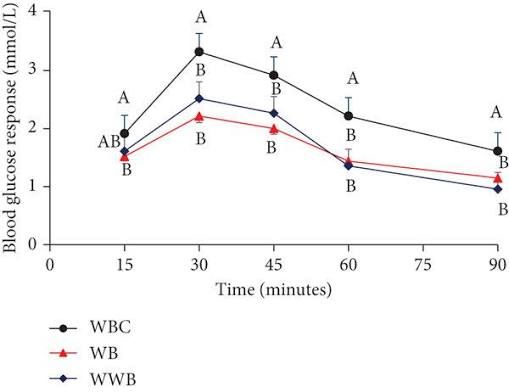
Your body’s response to a meal does not end when you finish eating, as glucose absorption can continue for several hours.
Analyzing a typical wheat chapati blood sugar curve reveals how slow-digesting carbohydrates affect your systemic circulation.
If you consume a carbohydrate-heavy dinner, your body may struggle to manage the glucose influx while transitioning into sleep states.
This mismatch can lead to overnight-glucose-spikes, which disrupt your body’s natural circadian rhythm.
When blood sugar remains elevated overnight, the kidneys must work harder, and the autonomic nervous system stays highly active.
This constant activation prevents your heart rate from dropping to its optimal resting level during deep sleep stages.
The National Sleep Foundation emphasizes that physiological recovery requires deep, uninterrupted sleep cycles.
When your metabolism is busy processing late-night carbohydrates, your heart rate remains elevated, and your sleep quality drops.
This state of metabolic stress reduces the duration of your restorative deep sleep and rapid eye movement (REM) cycles.
You might wake up feeling unrefreshed, even if you spent a full eight hours resting in bed.
Understanding these overnight physiological dynamics is crucial for anyone wondering is roti good for diabetics during evening meals.
The answer depends heavily on your portion sizes, the flour quality, and how well your body recovers overnight.
Furthermore, elevated overnight glucose can trigger mild dehydration as the body attempts to flush out excess sugar through urine.
This dehydration can cause your blood oxygen saturation (SpO2) levels to fluctuate slightly during the early morning hours.
These respiratory and cardiovascular parameters are deeply linked to your body’s overall inflammatory responses.
People who manage their evening carbohydrate intake often report more stable energy levels the following morning.
This stability is a direct result of avoiding the hormonal roller coaster of nighttime insulin surges and subsequent cortisol release.
Rather than guessing how your body responds, you can analyze your physiological trends through wearable technology metrics.
Based on user data from over 5,000 Herz P1 users, tracking overnight heart rate trends helps identify late-night metabolic disturbances with incredible clarity.
A lower resting heart rate and a higher HRV score during sleep indicate that your body has successfully processed your evening meals.
The Herz P1 Smart Ring tracks these vital metrics continuously, providing a clear window into your overnight metabolic recovery.
Actionable Ways to Optimize Roti Consumption and Track Your Biometrics
To manage your blood glucose levels effectively, you do not need to eliminate flatbreads from your diet completely.
Instead, you can apply practical, science-backed lifestyle strategies to minimize glucose fluctuations.
First, consider replacing standard refined flour with low-glycemic, high-protein alternatives.
Flours made from chickpeas, almond meal, or specific millets have a significantly lower glycemic impact than standard wheat atta.
Mixing these alternative flours with whole wheat flour can dramatically reduce the total glycemic load of your meal.
Second, always pair your carbohydrates with a generous portion of lean protein, healthy fats, and soluble fiber.
Eating a portion of green vegetables and a protein source before consuming your roti slows gastric emptying.
This sequential eating pattern delays glucose absorption in the small intestine, preventing sharp post-meal blood sugar spikes.
Third, implement a light ten-minute walk immediately after consuming your meals.
Light muscular contraction allows your skeletal muscles to absorb glucose directly from your blood without relying entirely on insulin secretion.
Fourth, try to consume your largest carbohydrate meals during the active hours of your day.
Your insulin sensitivity is naturally higher in the morning and afternoon compared to late in the evening.
By shifting your carbohydrate intake to earlier hours, you give your body ample time to utilize the glucose for physical activity.
To see how these dietary changes improve your overall health, you need a convenient way to track your recovery metrics.
The Herz P1 App provides detailed daily sleep scores and physical activity summaries without any complicated navigation.
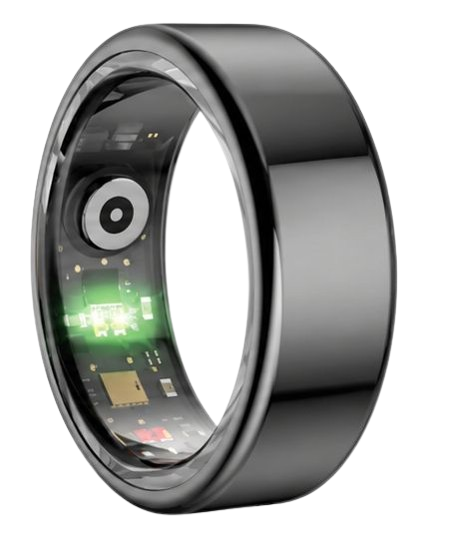
Because the Herz P1 Smart Ring is incredibly lightweight and crafted from premium military-grade material, you can wear it comfortably all day and night.
This seamless wearability ensures you never miss a single biometric data point, whether you are exercising, working, or sleeping.
You can easily check your weekly trends to see how low-glycemic eating patterns improve your overnight recovery and sleep quality.
Why Bulky Wearables and High Fees Get in the Way of Your Health Journey
Many people try to monitor their physiological data by wearing bulky, heavy smartwatches to bed every night.
However, these large devices often cause physical discomfort, disrupting the very sleep cycles you are trying to analyze.
Furthermore, many smartwatches require daily charging, leading to frequent tracking gaps when the device is sitting on a charger.
Another major frustration in the wearable market is the hidden cost of ongoing monthly app subscriptions.
Several leading smart ring brands lock your own health data behind paywalls, requiring you to pay recurring fees forever.
We believe that your personal health data should belong to you, with no strings or hidden costs attached.
The Herz P1 Smart Ring offers a highly comfortable, ultra-lightweight alternative that you will barely feel on your finger.
Our premium ring is designed for 24/7 continuous wear, allowing you to track your biometrics without any distraction.
The Herz P1 App is completely free for a lifetime, meaning you will never face a monthly subscription fee to view your data.
Additionally, our device features an exceptional six-day battery life and charges fully in less than one hour.
This ensures you can monitor your sleep, heart rate, and stress levels continuously without constant charging interruptions.
With our commitment to a two-year warranty and a 90-day money-back guarantee, you can focus entirely on improving your health with total peace of mind.
Frequently Asked Questions About Herz P1 and Metabolic Tracking
Is the Herz P1 Smart Ring fully waterproof?
Yes, the Herz P1 features a premium IP68 waterproof rating, making it completely safe for everyday wet environments.
You can wear it safely while washing your hands, taking a shower, swimming in a pool, or even diving up to 164 feet deep.
Its durable military-grade steel construction ensures that water and moisture will never damage the internal optical sensors.
How long does the battery last on a single charge?
The Herz P1 Smart Ring delivers up to six days of continuous, reliable battery life on a single charge.
When the battery runs low, the device charges from zero to one hundred percent in under one hour.
This rapid charging capability minimizes downtime, allowing you to maintain an uninterrupted record of your physiological data.
Which finger is the best choice for wearing the smart ring?
For the highest level of biometric sensor accuracy, we recommend wearing the ring on your index finger.
The middle finger and ring finger are also excellent choices if you prefer a different fit or style.
We recommend choosing a finger on your non-dominant hand to minimize physical wear and reduce motion artifacts during activity tracking.
Does the Herz P1 store my biometric data offline?
Yes, the Herz P1 Smart Ring has local memory that stores up to seven days of biometric data offline.
If you are away from your phone or traveling without a network, the ring continues to record your metrics continuously.
As soon as you open the app near your phone, all of your offline data syncs automatically and securely.
Understanding the glycemic index of staple foods like roti is a powerful step toward taking control of your daily metabolic health.
With the Herz P1 Smart Ring, tracking your body’s subtle recovery and sleep trends becomes completely effortless.
Ready to monitor your health every day? Explore the Herz P1 Smart Ring and see if it fits your lifestyle. Call: 1-866-479-1629 — our team can help you advise on the correct ring size and set personalized health goals.
Note: Individual results may vary depending on individual health conditions, age, and lifestyle habits. This article is intended for general health reference purposes only.
