

Understanding exactly what is thermic effect of food can completely transform your approach to daily energy management, metabolic health, and weight tracking. Many health-conscious individuals struggle with unexplained fatigue because they lack clear, real-time insights into their metabolic data. The Herz P1 Smart Ring is engineered to translate your continuous biometric signals into highly actionable feedback to help you optimize your daily wellness. This comprehensive metabolic guide breaks down digestion science, macronutrient values, and technology integrations to help you elevate your quality of life every day.
Built to Last. Save Up to 69% Today.
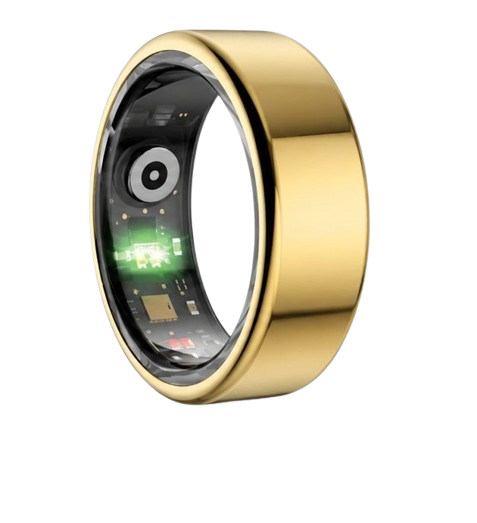
The Herz P1 Smart Ring tracks HRV, Sleep, Heart Rate & SpO2 around the clock. No subscriptions. No renewals. Ever.
In This Article
- What is the Thermic Effect of Food? A detailed 5W2H scientific exploration of how your body processes nutrition.
- Macronutrient Power: How protein, carbohydrates, and fats influence your daily metabolic energy expenditure.
- Smart Wearable Integration: How tracking physiological indicators like HRV can assist you on your fitness journey.
- Practical Application Tips: Simple lifestyle habits to naturally fire up your daily thermogenic output.
What Is Thermic Effect of Food? A Complete Metabolic Science Guide

The thermic effect of food definition refers to the energy expenditure associated with digesting, absorbing, and storing nutrients.
This process is also widely known as diet-induced thermogenesis or DIT.
When you eat, your gastrointestinal system must work hard to break down complex food particles.
To fully understand your body’s energy balance, you must first understand what is metabolic health in its entirety.
This post-meal energy expenditure is a core component of your total daily energy expenditure, alongside resting metabolic rate and physical activity.
Every single human being experiences this metabolic elevation after consuming a meal.
The exact magnitude of this thermic response varies from person to person depending on age, physical activity levels, and cellular insulin sensitivity.
Active individuals generally display a more robust metabolic response compared to those who lead sedentary lifestyles.
People looking to manage their body composition or improve athletic performance stand to benefit the most from optimizing this variable.
This metabolic elevation begins almost immediately within hours of consuming your first bite of food.
The peak metabolic rate typically occurs roughly two to three hours after finishing a nutrient-dense meal.
Depending on the portion size and macronutrient profile, the thermogenic effect can persist for several hours.
Understanding this timing is critical for spacing your meals to maintain stable energy production throughout the day.
It also plays a key role in avoiding overnight-glucose-spikes which can ruin sleep quality and elevate resting heart rate.
The physiological processes of digestion and thermogenesis occur primarily within your gastrointestinal tract, liver, and skeletal muscles.
Your stomach and intestines expend mechanical and chemical energy to break down complex food structures.
Your liver then processes these absorbed nutrients, turning them into usable fuel or storing them for future use.
On a cellular level, mitochondria work overtime to generate adenosine triphosphate during this metabolic surge.
Your body cannot simply absorb whole food particles directly into your bloodstream without processing them first.
Breaking chemical bonds in food requires an upfront investment of biological energy.
This metabolic investment is necessary to convert raw food into physiological fuels like glucose and amino acids.
By strategically elevating this post-meal burn, you can increase your daily calorie burn without performing extra physical exercise.
The nervous system plays a vital role by activating the sympathetic branch during the digestive process.
This nervous system activation increases heart rate and blood flow to the digestive organs.
Enzyme production and muscular contractions along the digestive tract further escalate energy consumption.
Hormones like insulin are released to facilitate nutrient storage, which also demands energy.
If your diet is filled with processed sugars, you may experience erratic energy drops and compromised sugar and metabolism balance.
Generally, digestion and nutrient processing account for approximately ten percent of the total daily energy expenditure of a healthy adult.
For instance, if you consume two thousand calories in a day, your body will burn about two hundred calories just digesting that food.
However, this percentage is highly dependent on whether you consume high thermic effect foods or heavily processed alternatives.
According to studies compiled by the American Heart Association, protein has a vastly higher energetic cost compared to dietary fats and carbohydrates.
Specifically, protein requires twenty to thirty percent of its energy to be digested, while carbohydrates require five to fifteen percent, and fats require zero to three percent.
This means eating more protein can significantly amplify your daily metabolic rate.
If you want to track how these metabolic changes impact your resting heart rate and recovery metrics in real time, the Herz P1 Smart Ring monitors these vital signs twenty-four-seven — explore it here.
90-Day 100% Money-Back Guarantee
“The Herz Smart Ring helps me manage stress easily. It’s accurate, stylish, and lightweight—perfect for my busy life!”
— Jennifer P. | ✔ Verified Customer
- ✓ 6-Day Battery Life
- ✓ Detailed Sleep Analysis
- ✓ Fast 1-Hour Charging
- ✓ iOS & Android Ready
Questions? Call: 1-866-479-1629
How Macronutrients Control the Thermic Effect of Food

Not all calories are processed by your digestive organs in the exact same manner.
The chemical structure of each macronutrient dictates the amount of metabolic work required to break it down.
Protein is made of complex amino acid chains held together by strong peptide bonds.
Your body must spend an immense amount of energy to break these peptide bonds and synthesize new proteins.
This explains why lean meats, eggs, and plant proteins are considered prime examples of foods with high thermic effects.
By contrast, dietary fats have a very simple chemical structure and require almost no energy to be processed and stored in adipose tissue.
Carbohydrates fall in the middle of this metabolic spectrum.
Complex carbohydrates with rich fiber content require significantly more digestive work than simple sugars.
In fact, research shows that consuming highly refined sugar can suppress your post-meal energy expenditure.
You might wonder, does sugar slow metabolism over the long term?
The answer is yes, because a diet high in processed sugar reduces overall insulin sensitivity and lowers your baseline thermogenic response.
To counteract this metabolic slowdown, you should actively focus on incorporating a food with high thermic effect into every meal.
This simple dietary adjustment can keep your calorie burn elevated and prevent sudden energy crashes.
Let us look at a breakdown of standard macronutrient values to help you structure your daily meals:
| Macronutrient | TEF Range (%) | Digestion Complexity Level |
|---|---|---|
| Protein | 20% – 30% | Very High (Peptide Bond Cleavage) |
| Carbohydrates | 5% – 15% | Moderate (Saccharide Conversion) |
| Dietary Fats | 0% – 3% | Very Low (Direct Lipogenesis) |
Choosing a food with high thermic effect ensures that more of the energy you consume is naturally dissipated as heat.
This thermic shift can play a pivotal role in preventing excess body fat storage.
It also keeps your cellular powerhouses active and highly efficient.
Over time, these conscious nutrition choices accumulate into significant metabolic advantages.
Wearable Technology and the Future of Metabolic Fitness Tracking
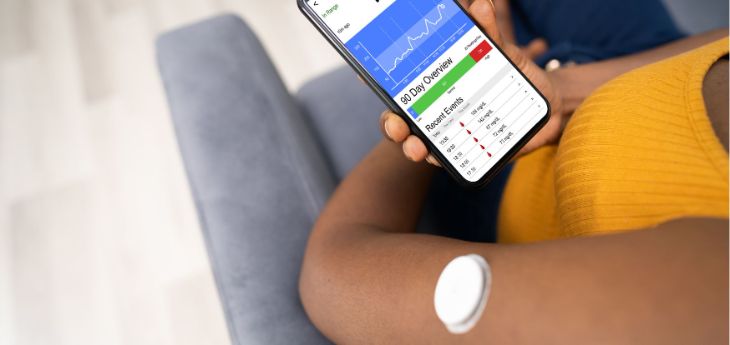
For decades, people had to rely on complex clinical equipment to estimate their daily calorie expenditure.
Today, advanced biometric sensors have brought metabolic insights straight to your fingertips.
True metabolic fitness involves understanding how your lifestyle, diet, and recovery interact with your autonomic nervous system.
While some users search for advanced glucose smart rings to manage their metabolic curves, a comprehensive tracker like the Herz P1 provides critical context by analyzing continuous physiological trends.
When you consume a heavy meal, your sympathetic nervous system increases blood flow to the gut, which causes a subtle increase in your resting heart rate.
A high-quality wearable device can track this post-meal heart rate elevation along with changes in heart rate variability.
If your body is chronically stressed or sleep-deprived, your digestive efficiency and thermic response will suffer.
Based on sleep and stress data analysis from thousands of Herz P1 users, poor overnight recovery directly correlates with reduced daytime metabolic adaptability.
Monitoring these trends daily allows you to see exactly how your lifestyle choices alter your recovery scores.
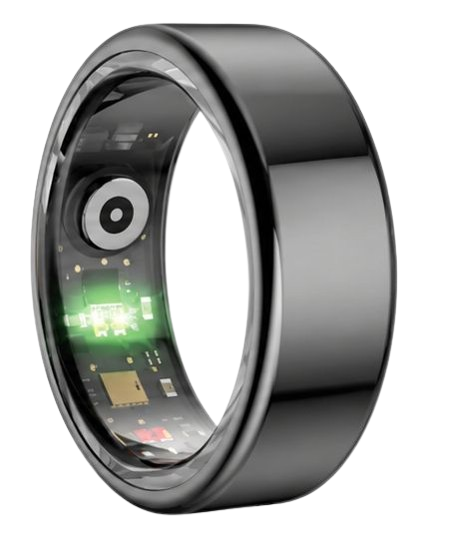
The military-grade steel construction of the Herz P1 ensures that the optical sensors maintain consistent skin contact under any conditions.
This consistent contact is essential for obtaining highly accurate blood oxygen saturation and heart rate metrics.
With under a two percent margin of error compared to standard medical oximeters, the Herz P1 delivers data you can trust.
You can use these objective trends to adjust your nutritional timings and exercise selections dynamically.
Over time, this data-informed approach helps you build sustainable wellness habits that work for your unique body.
Practical Application Guide: Optimizing Your Metabolic Output
To get the most out of your diet and your wearable technology, you need a clear action plan.
Here is how you can use the Herz P1 Smart Ring to support your metabolic and nutritional goals.
First, monitor your resting heart rate and HRV trends directly inside the free companion app.
An elevated post-meal resting heart rate that persists for too long may indicate a heavy, hard-to-digest meal.
You can use this feedback to adjust your portion sizes or switch to foods that are gentler on your digestive system.
Second, pay close attention to your daily activity levels and step counts.
Combining a high-protein diet with regular physical movement creates a synergistic metabolic effect.
This dual approach elevates both your active energy burn and your baseline thermic effect of food.
Third, optimize your sleep architecture to protect your overall metabolic efficiency.
Deep sleep and REM cycles are critical for maintaining healthy hormone levels, including those that regulate appetite and fat storage.
The lightweight design of the Herz P1 makes it incredibly comfortable to wear overnight compared to bulky, heavy smartwatches.
You will barely feel it on your finger as it silently tracks your sleep stages around the clock.
By reviewing your morning sleep readiness score, you can decide whether to push your exercise intensity or focus on recovery.
This daily balance prevents physical burnout and keeps your cellular machinery running smoothly.
Consistently wearing your ring allows you to spot micro-trends that would otherwise go completely unnoticed.
Overcoming Common Metabolic Tracking Pitfalls
Many health enthusiasts make critical mistakes that compromise their metabolic tracking journey.
One common error is wearing a bulky smartwatch to bed to track overnight recovery.
Large watches often shift during sleep, which creates gaps in optical sensor contact and results in inaccurate heart rate and SpO2 readings.
Furthermore, heavy wearables can disrupt your natural sleep patterns, which directly harms your metabolic rate the following day.
A sleek, lightweight smart ring solves this problem by remaining perfectly snug against your finger skin without causing irritation.
Another major pitfall is falling for hidden costs and ongoing monthly subscription fees.
Many popular health trackers lock your advanced sleep and HRV data behind strict paywalls.
Over time, these subscription fees can cost you hundreds of dollars on top of the original purchase price.
We believe your health data belongs entirely to you and should never require an ongoing fee.
The Herz P1 App is free for lifetime, which ensures you have unrestricted access to all your biometric trends forever.
Additionally, some devices fail to store your tracking data when you are away from your phone.
The Herz P1 Smart Ring features seven days of local offline storage, meaning your biometric data is perfectly preserved even if you disconnect from Bluetooth.
This means your physical statistics are always safe, secure, and ready to sync whenever you are.
Frequently Asked Questions
Yes, the Herz P1 is fully IP68 waterproof certified.
This means you can wear it with complete confidence while washing hands, showering, or swimming.
It can withstand continuous water submersion up to a depth of one hundred and sixty-four feet.
The military-grade steel exterior protects the delicate internal sensors from moisture damage in any environment.
The Herz P1 features an exceptionally long battery life that lasts up to six full days on a single charge.
This allows you to track your metabolic metrics and sleep stages continuously without constant interruptions.
When the battery does run low, you can charge it fully in under one hour using the included fast-charging cradle.
This rapid charging capability ensures you never have to miss a night of valuable biometric tracking.
We recommend wearing the Herz P1 on your index, middle, or ring finger for the most accurate sensor readings.
These fingers generally have the strongest pulse signals and the most consistent skin-to-sensor contact.
Make sure the ring fits snugly but remains comfortable enough to wear throughout the day and night.
A free sizing kit is provided with your order to help you identify the perfect fit before shipping your device.
Yes, the smart ring is equipped with seven days of local offline memory storage.
If you are away from your phone or prefer to sleep with your phone in another room, the ring will continue tracking perfectly.
All your heart rate, sleep, and stress data will automatically sync to the free app the next time your Bluetooth connects.
This feature provides peace of mind and complete data security during outdoor adventures or digital detoxes.
Conclusion
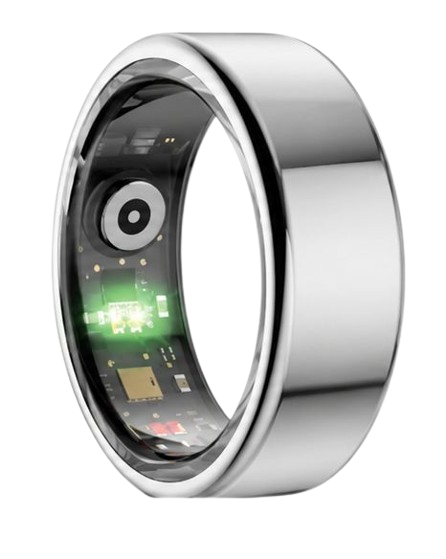
The Herz P1 Smart Ring is your ultimate, subscription-free health companion for tracking your daily metabolic fitness and recovery trends. Call 1-866-479-1629 today to get personalized sizing advice and start your health journey.
Note: Individual results may vary depending on individual health conditions, age, and lifestyle habits. This article is intended for general health reference purposes only.
