

Exploring the healing frequencies of the human body has transitioned from ancient wellness practices to modern biohacking communities seeking to optimize physiological recovery. Research shows that sound vibrations can influence autonomic nervous system balance, helping to reduce stress and improve sleep. At Herz P1, we recognize that your body constantly broadcasts its own biological frequencies through heart rate variability (HRV) and sleep patterns. By tracking these biometrics daily, you can understand how external sound frequencies directly impact your internal recovery.
Built to Last. Save Up to 69% Today.
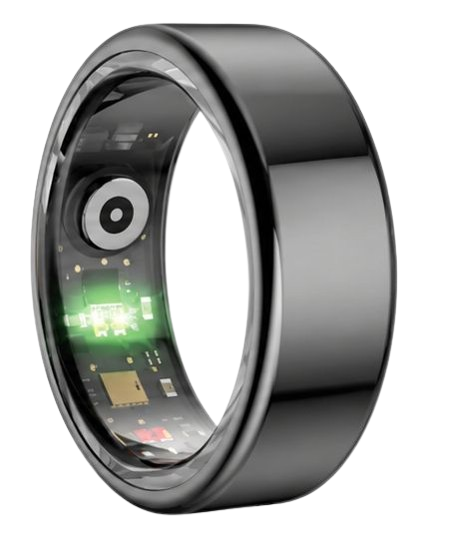
The Herz P1 Smart Ring tracks HRV, Sleep, Heart Rate & SpO2 around the clock. No subscriptions. No renewals. Ever.
In This Article
- How to use sound and frequency therapy to support cellular recovery and deep relaxation.
- The biological and clinical science behind how external sound affects your autonomic nervous system.
- The historical and mathematical foundations of Solfeggio frequencies.
- How to monitor the physiological effects of healing frequencies using smart biometric tracking.
- Common mistakes to avoid when starting sound therapy for sleep and stress relief.
How to Integrate Healing Frequencies into Your Daily Routine: A Step-by-Step Guide

Prerequisites and What You Need Before Starting
To successfully perform a sound session, you only need three basic items.
First, find a quiet space where you will not be interrupted for at least twenty minutes.
Second, secure a pair of high-quality stereo headphones to ensure accurate sound reproduction.
Third, ensure you are wearing your Herz P1 Smart Ring to monitor how your autonomic nervous system responds to the audio therapy.
-
Step 1: Establish a Dedicated and Quiet Listening Environment
Select a space in your home where noise is minimal and distractions are completely eliminated.
We recommend dimming the lights to help transition your brain into a state of relaxation.
A calm environment is essential for experiencing the true hz frequency benefits.
Avoid using screens, tablets, or looking at bright lights during this preparation phase.
Bright blue light suppresses melatonin production and excites your nervous system, which defeats the purpose of the session.
This setup primes your autonomic nervous system to absorb the acoustic vibrations.
You may also want to use a comfortable cushion or yoga mat to support your body.
Ensure that family members or housemates know not to disturb you for the next thirty minutes.
A quiet sanctuary allows your auditory cortex to process sound without competing sensory inputs.
By protecting this sacred space, you allow your body to naturally drop its defenses and sink into a restorative state.
-
Step 2: Select Your Target Healing Frequency
Identify the specific physiological or mental area you want to address before starting.
If you are looking to calm an overactive mind or reduce anxious thoughts, search for meditation frequencies online.
Different hertz levels stimulate different neural patterns and brainwave states within your cerebral cortex.
For example, lower frequencies like 432 Hz promote a deep sense of natural peace and harmony.
On the other hand, a higher tone like 528 Hz is often used to support cellular energy and repair.
Understanding what hz is best for healing will help you tailor each session to your immediate needs.
You should experiment with various tones to see which one resonates most deeply with your personal energy.
Make sure the audio files you use are high-quality, uncompressed formats to preserve the pure sine waves.
Compressed MP3 files can sometimes strip away the subtle harmonics that make sound therapy effective.
Take your time to browse and compile a playlist of validated, clean therapeutic audio tracks.
-
Step 3: Adopt a Relaxed and Supportive Posture
Sit upright with your spine aligned or lie down flat on a supportive, comfortable surface.
Relax your shoulders and close your eyes to turn your focus completely inward.
This physical alignment allows the sound waves to resonate smoothly throughout your nervous system.
Many practitioners believe that structural relaxation enhances how the human body frequency hertz aligns with external tones.
Take three slow, deep diaphragmatic breaths to further stabilize your heart rate and activate your vagal nerve pathways.
Inhale deeply through your nose for four seconds, hold for four seconds, and exhale slowly for six seconds.
This breathing technique signals to your brain that you are in a safe, peaceful environment.
Ensure your hands are resting gently on your lap or by your sides without any muscle tension.
If you feel any tightness in your neck or lower back, use small pillows to support those areas.
A relaxed physical vessel is much more receptive to the subtle mechanical vibrations of sound.
-
Step 4: Conduct a 15 to 30 Minute Active Listening Session
Play your chosen audio through high-quality stereo headphones at a moderate, comfortable volume.
Focus your entire attention on the rise and fall of the acoustic sound waves.
If your mind begins to wander to daily chores or worries, gently guide your awareness back to the audio track.
Using a consistent therapeutic frequency session daily reinforces positive neural pathways over time.
Do not rush this process, as cumulative exposure is key to driving real physiological shifts.
We recommend committing to at least twenty minutes to allow your brainwaves to entrain with the external stimuli.
During the session, try not to move or check your phone for notifications.
Let the sound act as an anchor, drawing your mind away from the chaotic rhythms of modern life.
Over time, your brain will recognize these sounds as an immediate cue to begin the recovery process.
This dedicated practice helps bridge the gap between mental stillness and physical recovery.
-
Step 5: Review Your Overnight Biometric Trends
Leave your wearable device on while you sleep to capture the physiological changes overnight.
The next morning, open your app to inspect key recovery indicators and analyze your trends.
Look for improvements in your HRV levels and the duration of your deep slow-wave sleep stages.
This data-driven approach helps you discover the best frequency for sleep and healing for your unique body.
Consistently matching sound sessions with biometric changes takes the guesswork out of your daily wellness routine.
We advise keeping a brief digital journal of which frequencies you listened to and your corresponding sleep scores.
You may notice that certain frequencies dramatically extend your REM sleep, while others lower your resting heart rate.
Sharing these insights with a wellness advisor can help you refine your long-term health goals.
Tracking your biometric data ensures you are making decisions based on solid science rather than pure speculation.
With objective measurements, you can build a highly optimized recovery protocol that works for your lifestyle.
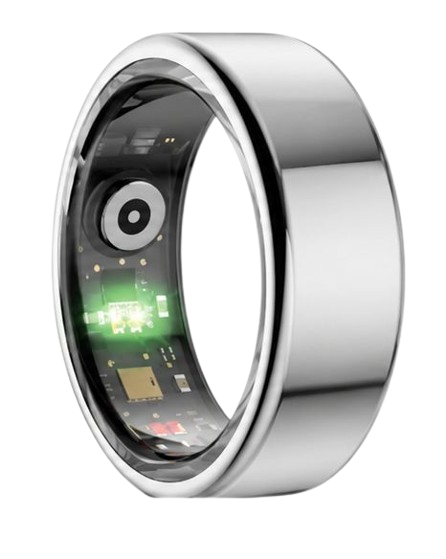
The Herz P1 Smart Ring provides the perfect hardware foundation to support this daily practice.
Our advanced multi-wavelength optical sensors track your heart rate variability (HRV) and sleep architecture with clinical-grade accuracy.
By observing your daily data trends, you can easily verify which frequencies succeed in calming your nervous system.
90-Day 100% Money-Back Guarantee
“The Herz Smart Ring helps me manage stress easily. It’s accurate, stylish, and lightweight—perfect for my busy life!”
— Jennifer P. | ✔ Verified Customer
- ✓ 6-Day Battery Life
- ✓ Detailed Sleep Analysis
- ✓ Fast 1-Hour Charging
- ✓ iOS & Android Ready
Questions? Call: 1-866-479-1629
The Physiology of Resonance: How Can Frequencies Heal the Body?

To understand the science of sound, we must ask: can frequency heal the body in a measurable way?
Acoustic frequencies interact directly with our tissues through a process known as mechanical transduction.
When sound waves hit your body, they cause micro-vibrations in cellular membranes.
These physical movements stimulate the release of nitric oxide, which dilates blood vessels and increases circulation.
According to studies highlighted by the American Heart Association, healthy blood flow is vital for tissue repair and cardiac recovery.
Furthermore, specific sound frequencies have been shown to calm the sympathetic nervous system.
By reducing our “fight-or-flight” response, sound therapy encourages parasympathetic activation.
This shift is reflected in an increased heart rate variability (HRV), which indicates a highly resilient heart.
Many clinical studies have focused on finding the best frequency for pain relief to help patients recover without heavy medication.
Low-frequency sounds, particularly around 40 Hz, have been found to reduce pain perception by stimulating mechanoreceptors.
These receptors block pain signals from traveling up the spinal cord to the brain.
Additionally, sound waves can influence brainwave states through auditory entrainment.
This occurs when the brain’s electrical activity synchronizes with the frequency of an external sound.
If you listen to a steady theta-frequency tone, your brain naturally slows down its neural firing.
This transition helps you drop into deep states of meditation and restorative rest.
By tracking these shifts with a smart ring, you can watch your real-time physiological recovery improve week after week.
Decoupling the Solfeggio Scale: Ancient Tones Meet Modern Sleep Science
The ancient Solfeggio scale consists of specific electromagnetic tones that were historically used in sacred chants.
Today, researchers are investigating can frequencies heal the body by enhancing sleep quality and reducing evening cortisol.
These ancient sounds are now widely referred to as solfeggio frequencies for healing.
Each tone in this scale is believed to target a different aspect of physical and mental wellness.
For example, the 528 Hz frequency is highly regarded for its potential to support cellular regeneration.
Another critical tone is 396 Hz, which is used to alleviate feelings of guilt, fear, and deep-seated anxiety.
From a neurological standpoint, these tones provide a steady, predictable acoustic pattern.
This predictability helps quiet the default mode network in the brain, which is responsible for excessive worrying.
According to research guidelines from the National Sleep Foundation, reducing mental arousal before bed is crucial for entering deep sleep.
Without deep slow-wave sleep, your muscles cannot repair, and your brain cannot clear metabolic waste.
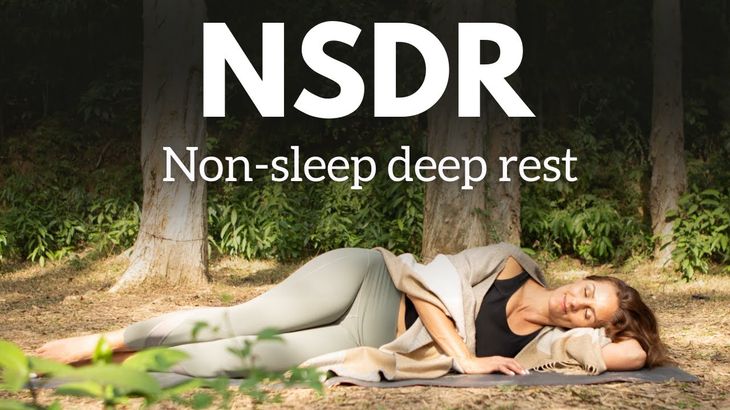
Many individuals use these frequencies during a practice known as Non-Sleep Deep Rest (NSDR).
NSDR allows the body to enter a deeply restorative state similar to sleep while remaining fully conscious.
By playing these tones during your evening wind-down, you prepare your brain for smoother sleep stage transitions.
The Herz P1 Smart Ring tracks these exact shifts, showing you the exact percentage of deep and REM sleep you achieve.
Having access to this data allows you to see the real, measurable impact of ancient sound therapy on modern sleep science.
Our military-grade steel ring sits comfortably on your finger all night, ensuring uninterrupted data capture.
You no longer have to guess if your meditation music is working because the proof is in your morning metrics.
How to Monitor and Optimize Your Frequency Practice with Herz P1
To get the most out of your sound sessions, you must know how to interpret your body’s response.
Open the Herz P1 companion app each morning to view your personalized daily wellness dashboard.
The app displays your Heart Rate Variability (HRV) as a clear, easy-to-read trend line.
A higher HRV score indicates that your parasympathetic nervous system responded well to your frequency practice.
You should also monitor your resting heart rate (RHR) during your evening listening sessions.
If your heart rate drops quickly during a 432 Hz track, it means your body is successfully entering a state of recovery.
Additionally, the Herz P1 tracks your blood oxygen saturation (SpO2) levels continuously through the night.
Stable SpO2 levels combined with extended deep sleep cycles confirm that your body is recovering at a cellular level.
Our lightweight, military-grade steel ring is designed for 24/7 all-day wear, so you will never feel restricted.
Unlike bulky smartwatches that pinch your skin or flash bright green lights in the dark, the Herz P1 is completely unobtrusive.
You can wear it to bed, during intense workouts, or while relaxing in a sound bath.
The seamless inner molding ensures maximum comfort, allowing you to focus entirely on your healing frequencies.
Use these daily biometric insights to adjust the duration and timing of your sound sessions for optimal results.
Common Pitfalls to Avoid When Using Sound Therapy and Wearables
One of the most common mistakes is wearing a bulky, heavy smartwatch to sleep while trying to relax.
Bulky screens often light up unexpectedly, interrupting your sleep cycles and causing micro-arousals.
Furthermore, heavy wristbands can restrict local blood flow, leading to highly inaccurate heart rate and SpO2 readings.
A sleek, lightweight smart ring solves this problem by tracking your biometrics from the base of your finger.
Another major pitfall is choosing a wearable device that locks your personal data behind an expensive paywall.
Many popular brands require you to pay a monthly subscription fee just to see your detailed sleep staging.
At Team Herz P1, we believe that your health data belongs entirely to you.
The Herz P1 App is completely free for a lifetime, with absolutely no hidden charges or ongoing subscriptions.
You purchase the premium hardware once and gain unlimited access to our advanced analytics dashboard forever.
Additionally, avoid the mistake of ignoring long-term trends by only looking at your daily scores.
True physical recovery happens over weeks and months of consistent habits.
Use the historical charts in our app to see how your body adapts to sound therapy over time.
This approach ensures you build a sustainable, cost-effective wellness routine that yields real results.
Frequently Asked Questions About Healing Frequencies and Smart Rings
Is the Herz P1 Smart Ring waterproof?
Yes, the Herz P1 is fully IP68 waterproof and built to withstand the toughest conditions.
You can submerge the ring in water up to 164 feet (50 meters) without worrying about damaging the sensors.
This medical-grade protection makes it safe for swimming, showering, bathing, and intensive workouts.
The hermetically sealed steel casing ensures that sweat and water never interfere with your tracking accuracy.
How long does the Herz P1 battery last on a single charge?
The Herz P1 battery lasts up to 6 days under normal, continuous tracking conditions.
This long-lasting battery life eliminates the stress of daily charging that comes with standard smartwatches.
When the battery does run low, you can charge it fully in under 1 hour using our fast-charging magnetic dock.
A quick twenty-minute charge can easily power the ring for several nights of sleep staging analysis.
Which finger is the best to wear the Herz P1 Smart Ring on?
We recommend wearing the Herz P1 on your index, middle, or ring finger for the highest optical accuracy.
The index finger typically has the strongest blood flow, which produces the most stable PPG signals.
However, you can choose whichever finger feels most comfortable and secure for your daily activities.
Ensure the inner sensor bumps sit snugly against the palm side of your finger to maintain constant skin contact.
Does the Herz P1 Smart Ring store data offline?
Yes, the Herz P1 features built-in storage that holds up to 7 days of local biometric data.
You do not need to keep your smartphone connected via Bluetooth at all times to save your metrics.
The ring will automatically record your heart rate, sleep stages, and SpO2 levels in the background.
Once you open the app near your phone, your stored data will sync quickly and seamlessly within seconds.
Conclusion: Your Subscription-Free Wellness Journey Starts Here
Integrating healing frequencies into your life is a powerful way to support physical recovery.
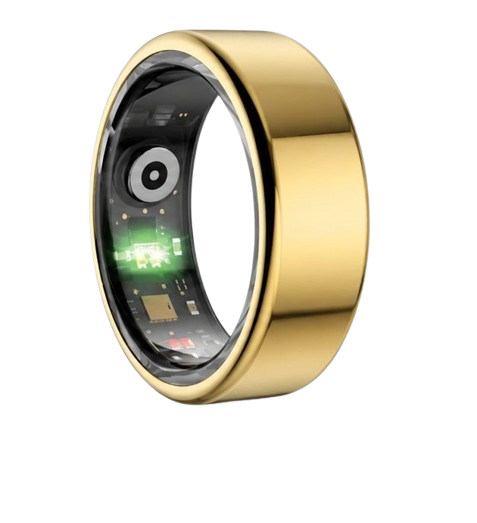
The Herz P1 Smart Ring acts as your biometric guide, tracking how your body heals in real-time.
Ready to monitor your health?
Explore the Herz P1 Smart Ring.
Call: 1-866-479-1629 — we can advise on sizes and health goals.
